
Vandaag of morgen in huis

Kwaliteit gegarandeerd

Welkomstaanbiedingen ontgrendelen: GRATIS bezorging | Tot 80% korting | Gratis 30 dagen JoyPlus-proefperiode
Download de app
Wireless headphones may seem simple to choose: connect them via Bluetooth, switch on your music and you’re ready to go. Yet many disappointing purchases are caused by specifications being interpreted differently from what shoppers expect. For example, a long battery life may only apply when noise cancelling is switched off, while water-resistant headphones are not automatically suitable for swimming.
As a Joybuy Product Recommendation Officer, I therefore focus mainly on verifiable features: the type of fit, Bluetooth functions, battery information, protection rating and intended use. This lets you compare Bluetooth headphones based on practical points rather than marketing terms.
A manufacturer may promote headphones with long battery life based on use without ANC, at a low volume or with a specific codec. With active noise cancellation, calls and high volume levels, battery life is usually shorter.
When comparing products, look at:
With noise-cancelling headphones, also known as ANC headphones, background noise is electronically counteracted. Performance varies between models and situations. Constant low-frequency sounds, such as those on a train or aeroplane, are generally a different use case from voices in an office.
Therefore, check whether the product mentions active noise cancellation, passive sound isolation or only noise reduction for phone calls. A product description from a brand also does not constitute an independent guarantee of performance. Look for an Ambient Sound mode too, so you can let in background noise when necessary.
An IPX4 or IP54 rating refers to limited protection against splashing water. This may be suitable for rain or perspiration, but not for submersion. Even when the earbuds are water-resistant, the charging case may have a different protection rating.
For sports use, check:
In-ear earbuds are small and lightweight. They fit inside the ear canal and are often supplied with different sizes of silicone tips. A good fit is important for comfort and sound isolation.
On-ear headphones rest on the ear. This type is often compact and suitable for commuting, but may cause pressure during prolonged use, depending on the shape of the ear cushions.
Over-ear headphones surround the ear. This can provide a roomier fit and greater passive isolation, but they are usually larger and warmer during long listening sessions.
Bone-conduction headphones and open-ear models leave more of the ear uncovered. This can be useful when walking, cycling or working in an office. However, check whether the model is suitable for your surroundings and whether the product description clearly explains how it should be used.
Bluetooth 5.2, 5.3 or 5.4 refers to the Bluetooth generation used, but does not by itself tell you everything about range or sound quality. Also look at supported codecs, such as SBC, AAC or LDAC, and compatibility with your smartphone, tablet or laptop.
A multipoint Bluetooth headset can keep two devices connected at the same time. This is practical when you listen to music from your laptop while working and want to take phone calls on your smartphone. Check that multipoint is explicitly listed in the product specifications.
For wireless headphones used for music and calls, microphones and call noise reduction are also relevant. A product listing may mention AI or ENC noise reduction; describe this as a product feature rather than as guaranteed call quality in every environment.
Compact wireless headphones are not automatically more comfortable. Check the weight, adjustability, ear cushion material and how securely the earbuds stay in your ears.
Clean earbuds after sports use according to the instructions. Keep true wireless earbuds in their case and do not charge a device while the connection is still damp. Avoid listening at high volume for extended periods. Manufacturers’ supplied warnings generally recommend keeping the volume at a safe level.
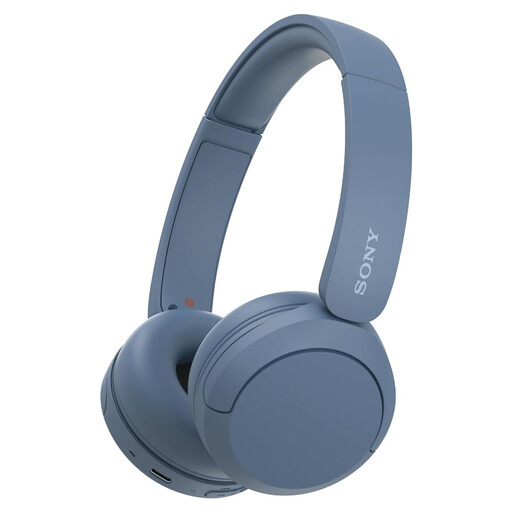
Why it suits this profile: The on-ear design, 147-gram weight and multipoint function are well suited to everyday use with a phone and laptop.
The product information clearly states that this model is not water-resistant. This makes its usage limits clear: suitable for dry everyday use, but not for rain or sport in wet conditions.
According to the product description: multipoint, USB-C, microphone and a stated battery life of up to 50 hours.
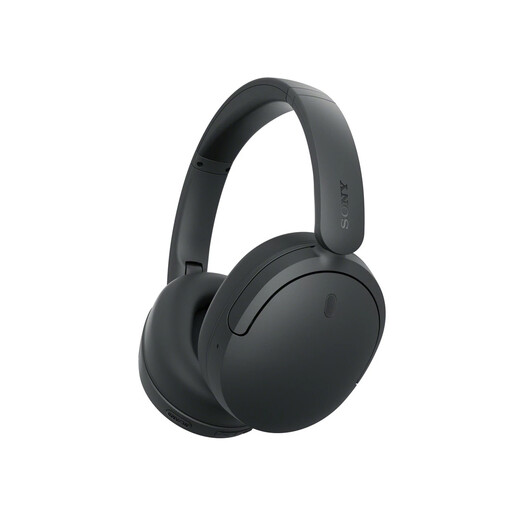
Why it suits this profile: These over-ear headphones are aimed at travellers and home workers who want to combine ANC, multipoint and extensive sound settings.
The product description distinguishes between battery life with ANC switched on and off, and mentions an ambient mode. This helps you set realistic expectations for both silence and battery life.
According to the product description: active noise cancellation, multipoint, foldable design and a stated battery life of up to 75 hours with ANC switched off.
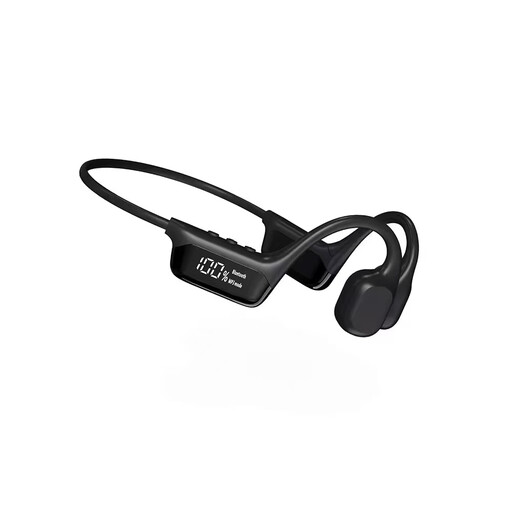
Why it suits this profile: The open-ear design with ear hook and the stated swimming mode are aimed at runners, cyclists and users looking for sports headphones.
The product information explicitly states that the connection must be dry before charging and that the correct MP3 or internal mode may be required for swimming. Check this before using the headphones in water.
According to the product description: Bluetooth 5.3, open-ear sports design, NFC, voice control and a stated usage time of 8 hours.
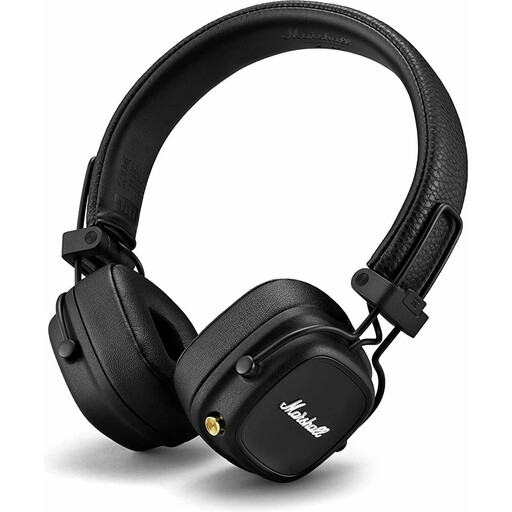
Why it suits this profile: This on-ear model is aimed at users who want to charge their headphones less often and are looking for foldable headphones for travelling.
The stated battery life is provided alongside the fast-charging function. This lets you compare the claim with a specific charging time rather than relying only on a general marketing label.
According to the product description: more than 80 hours of wireless playback, wireless charging, foldable design and a control button.
We’ve put together a complete, up-to-date list of products that fully meet these strict selection criteria and the applicable European safety regulations.
Switch on Bluetooth on your smartphone, put the headphones into pairing mode and select the product name from the Bluetooth list. With some models, Google Fast Pair, Microsoft Swift Pair or a brand app can help with the initial setup. Remove an old pairing if the device does not appear.
This depends on the model, volume, codec and features such as ANC. According to the product information, on-ear or over-ear headphones can provide dozens of hours of playback. With wireless earbuds, you need to distinguish between playback time per charge and total duration with the case. Use the stated figures as a guide and always compare the same measurement conditions.
This depends on the IP rating and fit. For running, sports headphones with an ear hook or open-ear design can be practical. For swimming, only a model with clear information about water use is suitable. Ordinary Bluetooth headphones without water resistance should not be used in the rain, in a swimming pool or in the shower.
