
Listener beside a sleeping roommate
You want to listen at a moderate volume while keeping sound leakage to a minimum. Headphones.com explains the difference between closed-back and open-back designs; the fit also plays a part in how well they seal.


Start with well-fitting, closed-back wireless headphones if you want to minimise the sound that escapes in a shared bedroom. The actual amount of sound leakage also depends on the fit. Next, listen to voices and acoustic instruments at a moderate volume, and choose ANC only to reduce the ambient noise you hear: ANC won’t automatically stop your roommate from hearing your music.
You want to listen at a moderate volume while keeping sound leakage to a minimum. Headphones.com explains the difference between closed-back and open-back designs; the fit also plays a part in how well they seal.
You want to judge voices and acoustic instruments using your own music source and listening preferences. The Consumentenbond includes the balance between treble, mid-range and bass in its testing method.
Consider comfort and, depending on your situation, an ambient mode or battery life. The Consumentenbond highlights comfort as something to consider when choosing headphones for longer listening sessions.
Start by considering how well the headphones seal and fit, then listen to your own music at a moderate volume. An ambient or transparency mode and battery life with ANC switched on are additional considerations, not a substitute for listening for yourself.
| What to consider | What to look for | Who might find this important? |
|---|---|---|
| Sound leakage | Choose a closed-back design and check the fit. At your usual volume, test whether your music can be heard from the other bed. | If I’m sleeping next to someone, I want to listen at a moderate volume without causing unnecessary disturbance. Around 33% of consumers prioritise low sound leakage. |
| Folk sound quality | Listen to vocals and instruments in a familiar track. Adjustable EQ can help you tailor the sound to your preference. | I want to judge for myself how voices and acoustic instruments sound, rather than relying on a general claim about sound quality. Around 27% of consumers prioritise sound quality. |
| Comfort | If possible, try the headphones during a longer listening session and with glasses if you wear them; you could also compare them with well-sealing in-ear headphones. | If I’m listening for longer, I want a fit that stays comfortable; if I wear glasses, I also consider pressure around my ears. Around 20% of consumers put comfort first. |
| Staying in touch with your roommate | Check whether the model has a transparency or ambient mode, and try to see if you can understand someone while using it. | I want to be able to hear my roommate from time to time without repeatedly taking my headphones off. Around 13% of consumers particularly value being able to hear when someone speaks to them. |
| Battery life | Compare battery life using the same Bluetooth and ANC settings. Check separately whether wired listening is possible if that matters to you. | If I don’t want to charge often, I want to know how long the battery lasts with the features I actually use. Around 7% of consumers make battery life their top priority. |
ANC reduces ambient noise for the wearer, but on its own it doesn’t tell you how much music your roommate will hear.
Check that the design is closed-back and test for sound leakage at your usual volume, regardless of the ANC setting.
Sony quotes up to 30 hours with ANC on and 40 hours with ANC off for the WH-1000XM6. JBL quotes up to 70 hours for the Tune 770NC with Bluetooth on and ANC off, so these figures aren’t based on the same settings.
Only compare battery life using the same ANC and Bluetooth settings.
An open-back design can let sound escape into a shared space. Headphones.com explains that open-back designs let ambient noise in and can also leak sound out.
Consider your roommate’s need for peace and quiet before choosing an open-back design.
According to the Dutch Government, there is no fixed legal warranty period in the Netherlands. What you can reasonably expect from a product may still matter after the manufacturer’s warranty has expired.
Read the terms of any extended warranty offer, and contact the seller if there’s a fault.
The MOMENTUM 4 Wireless is a closed-back over-ear option to compare if adjustable sound, ANC and quoted battery life matter to you.
The WH-1000XM6 is a closed-back over-ear option to compare if ANC, multipoint connectivity or wired listening matters to you.
The Tune 770NC is a closed-back over-ear option to compare if EQ, ambient modes and connecting to two Bluetooth devices are relevant to you.
The TAH5800WT/00 is a wireless over-ear option to compare if replaceable parts and listening via Bluetooth or cable matter to you.
This selection includes wireless over-ear headphones and one in-ear alternative to compare for listening in a shared bedroom.
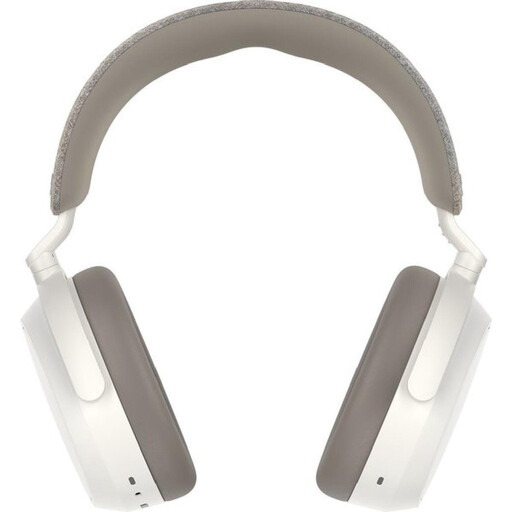 Image unavailable
An option to compare if you want to tailor the sound to your preference and use a transparency mode.
Sennheiser lists ANC, adjustable EQ, a transparency mode and up to 60 hours of playback.
 Image unavailable
A closed-back over-ear option if you want to reduce ambient noise for yourself; check sound leakage separately.
Bose lists a closed-back design and active noise cancellation.
 Image unavailable
An over-ear option to compare if you want to listen wirelessly and be able to talk from time to time.
Sony lists Bluetooth 5.2, up to 30 hours of battery life with noise cancelling on, and Speak-To-Chat, which pauses the music when the wearer starts speaking.
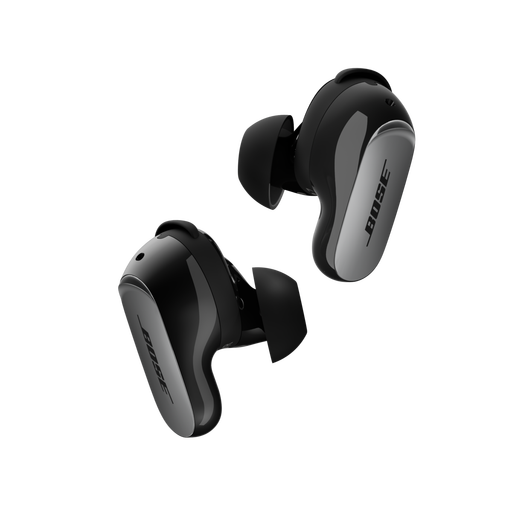 Image unavailable
An in-ear alternative to consider if a headband feels uncomfortable; the fit of the eartips is a personal matter.
Bose lists Bluetooth 5.3, ANC, Aware Mode, three sizes of eartips and up to six hours of listening per full charge.
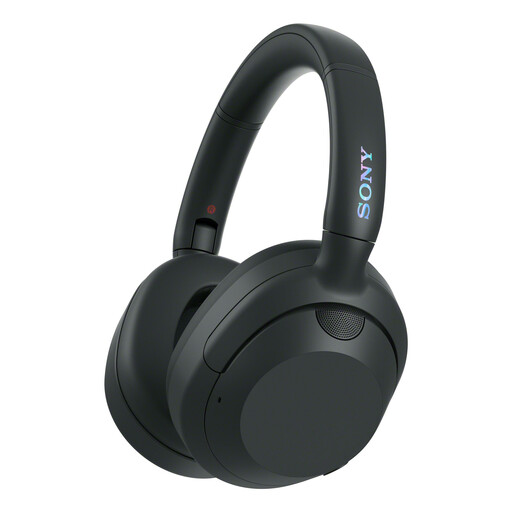 Image unavailable
A closed-back over-ear option to compare if you also want to reduce ambient noise for yourself; test for sound leakage with your fit.
Sony lists a closed-back design and active noise cancellation.
No. ANC is designed to reduce ambient noise for the wearer. Assess sound leakage separately by checking the design and fit, and testing at your own listening volume.
Start at a moderate volume and check with your roommate whether your music can be heard from the usual distance. Also try any transparency or conversation mode if you want to be able to understand someone speaking.
Check the parts policy for the exact model. Philips lists replaceable ear cushions and a replaceable battery for the TAH5800WT/00; don’t assume other models use the same parts.
For online purchases in the Netherlands, you generally have a legal cooling-off period of up to 14 days after delivery, with some exceptions. ACM ConsuWijzer explains this cooling-off period; check the applicable terms before ordering.
The World Health Organization recommends keeping both volume and listening time in mind. As an example, it cites a maximum of 40 hours per week at an average of 80 dB; at higher levels, safe listening time decreases.