
Quiet room-sharer
You want to follow a podcast without making the other person in the room listen to it too. So pay attention to the fit and test for sound leakage at a volume you find comfortable.


For listening to a history podcast in a shared bedroom, well-fitting, closed-back in-ear or over-ear headphones are worth considering if you want to limit the sound your roommate can hear. Check the fit and test for sound leakage at your usual volume. Open-ear headphones let you hear your surroundings, but sound can also escape in a quiet room. Active noise cancellation reduces sound for the listener and doesn’t automatically stop someone else from hearing the podcast.
You want to follow a podcast without making the other person in the room listen to it too. So pay attention to the fit and test for sound leakage at a volume you find comfortable.
You listen for longer stretches and want to know whether the ear cushions or ear tips stay comfortable, and how long you can listen without a break. The Consumers’ Association describes over-ear headphones as often comfortable for long listening sessions, although fit is a personal matter.
You want to follow speech despite noise in the room, or remain available to talk to. So consider whether you want to block out background noise or keep hearing it.
First decide how much sound your roommate can hear and which fit you find comfortable. Then consider whether you want to block out background noise or keep hearing it.
| What to consider | What should you look for? | Who should pay particular attention? |
|---|---|---|
| Sound reaching your roommate | Check the seal and test for leakage at your usual volume, ideally from where the other person sits. | I want to stop the other person hearing my podcast without listening at an uncomfortable or excessively high volume. Around 36% of consumers prioritise limiting sound leakage. |
| Comfort throughout the episode | If possible, wear the ear tips or ear cushions for longer; compare the pressure on your ears with the space around them. | I want to listen to the whole episode without the fit starting to feel uncomfortable. Around 29% of consumers give wearing comfort top priority. |
| Speech clarity | Decide whether you want to block out background noise or keep hearing it; try the podcast at a low, comfortable volume. | I want to follow the spoken words despite noise in the room, or remain available to talk to. Around 21% of consumers prioritise speech clarity over other needs. |
| Listening without interruption | Compare playback time per charge using the same settings; check for multipoint if you switch between your phone and laptop. | I want to finish a long episode or switch easily between devices. Around 14% of consumers prioritise uninterrupted listening and easy switching. |
Active noise cancellation is designed to reduce background noise for the wearer. By itself, it doesn’t tell you how much podcast audio leaks out to someone else.
Test for leakage separately by playing a podcast at your usual volume. Don’t choose headphones based only on a mention of noise cancellation.
Total usage time, including the charging case, isn’t the same as continuous playback. You can’t use earbuds while they’re charging in the case.
For long episodes, compare the stated playback time per charge and check which settings it applies to, such as noise cancellation on or off.
The open design can let sound reach people nearby. Shokz notes that this can be more noticeable at higher volumes and in a quiet environment.
Choose open-ear headphones only if you want to stay aware of your surroundings and the sound leakage is acceptable to your roommate.
Sony offers on-ear, over-ear and in-ear models, among others. The fit and features vary by model.
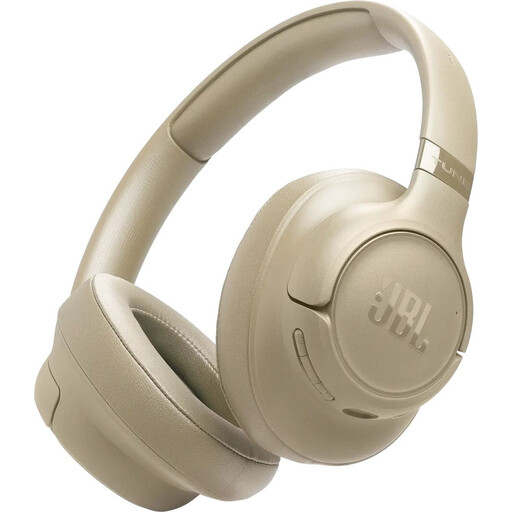
The Tune 730BT is a wireless over-ear option for anyone looking for ear cushions that fit around the ears and the ability to switch between devices.
The OpenFit 2 represents the open-ear option for anyone who wants to stay aware of their surroundings.
The Galaxy Buds FE are an in-ear option with active noise control and parts in different sizes to help adjust the fit.
This selection includes wireless over-ear headphones and in-ear earbuds for podcast listening. Check the fit of each model and whether sound leaks out to your roommate.
 No image available
The over-ear design may suit longer listening sessions. Check that the ear cushions feel comfortable and test for sound leakage in the bedroom.
JBL states that it offers up to 76 hours of battery life and multipoint; these are manufacturer figures, not independent tests of battery life or comfort.
 No image available
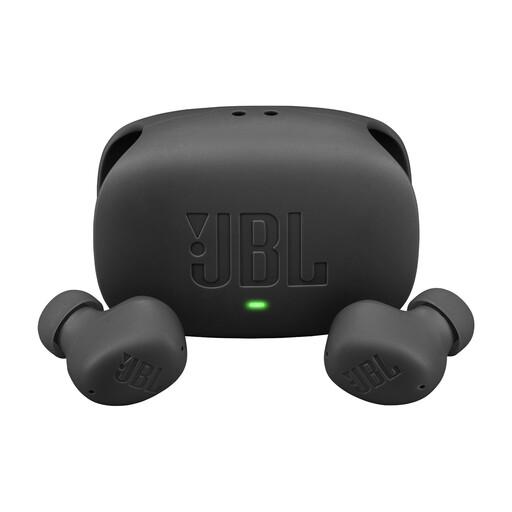
The description mentions noise cancellation and Smart Ambient. Noise cancellation reduces sound for the wearer and doesn’t determine how much audio a roommate can hear.
According to the product description, playback time is up to 10 hours per charge with noise cancellation off. Multipoint and adjustable EQ are also listed.
 No image available
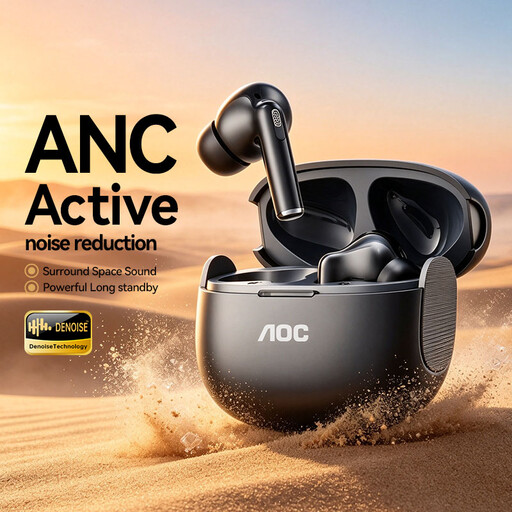
The product name specifies active noise cancellation for personal listening; assess sound leakage to your roommate separately.
The product information lists Bluetooth 5.4 and touch controls.
 No image available
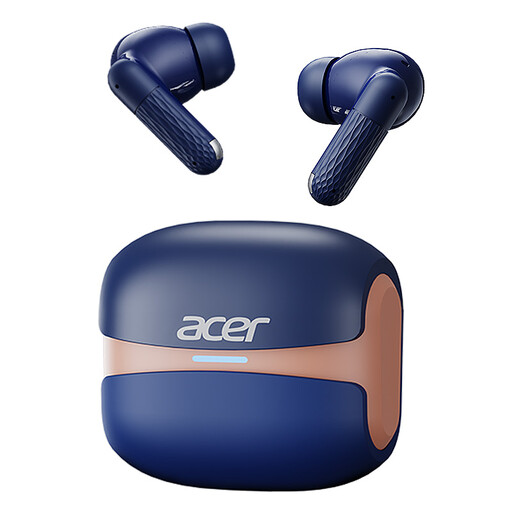
With an in-ear design, fit is an important consideration. Check that the ear tips feel comfortable and test whether the volume disturbs the other person.
The product information lists Bluetooth 5.4 and noise cancellation for phone calls.
 No image available
These in-ear earbuds may suit anyone who wants to reduce background noise for themselves; active noise cancellation doesn’t automatically prevent sound leaking to other people.
The product description lists an adjustable equaliser, an Aware mode and up to 6 hours of playback per charge.
No. Active noise cancellation is designed to reduce background noise for the wearer. So test for sound leakage separately at your usual volume.
No. With wireless earbuds, the total time may include charging in the case. For a long episode, compare the playback time per charge.
Pair the headphones via Bluetooth and start at a low volume. Try a speech-focused EQ mode only if your chosen model has one. Shokz lists this mode for the OpenFit 2, but it isn’t necessarily available on other models.
The World Health Organization advises limiting volume and listening time. As an example, it cites an average of 80 dB for a maximum of 40 hours a week. This is advice, not a legal volume limit or a guarantee for every individual situation.
The Dutch Authority for Digital Infrastructure states that electrical and electronic equipment, including headphones, must have the correct CE marking. This requirement applies to equipment offered for sale; if you’re considering a specific listing, check that the marking applies to the item in question.