What should you look for when choosing?
First check that spoken words are easy to follow; then decide how much isolation and awareness of your surroundings you need.
Closed-back over-ear headphones with ANC
Choose these when: disruptive background noise makes it difficult to follow the recording and you want to shut yourself off from the room for a while.
Trade-off: the isolation may make housemates or sounds less audible; fit and comfort are personal.
Headphones with ambient mode
Choose these when: you want to be able to respond to people or sounds at home while listening.
Trade-off: more ambient sound can also mean more distraction; try how easily you can switch the mode on and resume the recording.
Wireless headphones without ANC as a priority
Choose these when: your home is relatively quiet and the fit and speech reproduction are good enough without extra noise cancellation.
Trade-off: check the isolation in your own room; without enough noise reduction, you may be tempted to turn up the volume.
| What to consider |
What to check before buying |
Who is this important to? |
| Speech clarity |
Listen to spoken audio at a comfortable volume; compare how voices sound and how easy the controls are to use. |
I want to follow the words in the recording, even when there’s background noise at home. Around 31% of consumers prioritise speech clarity. |
| Reducing household noise |
Compare the isolation and any ANC with noise similar to what you experience at home. |
If sounds in the room keep interrupting my concentration, I want to know how much peace and quiet the headphones will give me in my situation. Around 25% of consumers prioritise reducing disruptive noise. |
| Comfort during long recordings |
Try the headband and ear cushions for long enough; test them with glasses too, if you wear them. |
I often listen for long stretches and don’t want uncomfortable pressure or heat. Around 19% of consumers prioritise comfort while listening. |
| Awareness of your surroundings |
Try how ambient sound comes through and how to pause the recording. |
I want to respond to housemates or sounds at home without having to spend ages using the controls. Around 13% of consumers prioritise staying reachable. |
| Battery and features you need |
Check whether the stated battery life applies with ANC on, and which features you’ll actually use. |
I want enough time between charges and would rather not pay for features I don’t need. Around 12% of consumers prioritise battery life and choosing the right features. |
Joybuy products for listening at home
These models are wireless headphones with listed noise cancellation or similar listening features. The Dutch Authority for Digital Infrastructure states that wireless equipment sold in Europe must carry the correct CE marking; check the specific product you’re considering.
 No image available
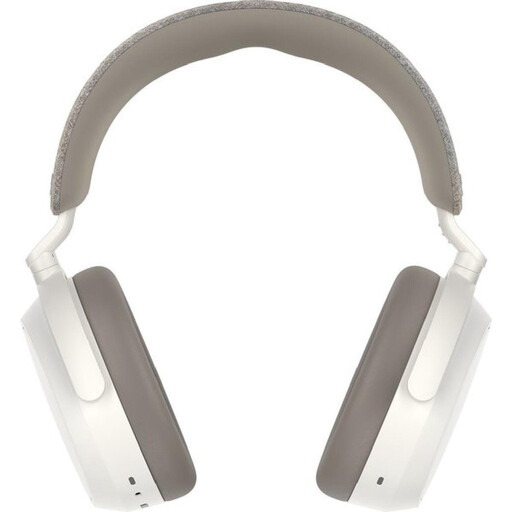
Sennheiser MOMENTUM 4 Wireless, white
Worth considering if you want to compare adaptive ANC and transparency mode for long listening sessions.
Up to 60 hours of stated playback time; controls on the ear cup. The manufacturer’s figure doesn’t guarantee how long the headphones will last with your settings.
View at Joybuy
 No image available
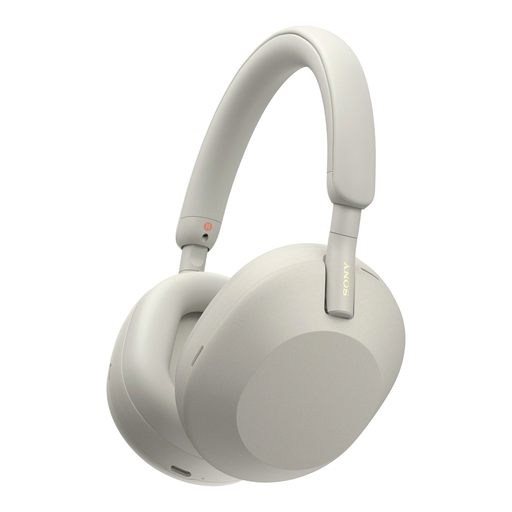
Sony WH-1000XM5, silver
Worth considering if you want to combine ANC with switching between two playback devices.
Up to 30 hours of use with noise cancellation on; simultaneous connection to two devices is listed.
View at Joybuy
 No image available
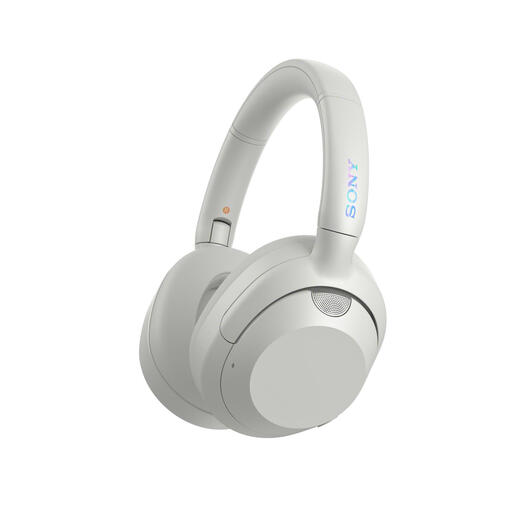
Sony ULT WEAR, off-white
Worth considering if you want to compare noise cancellation and an ambient sound mode.
Multipoint and up to 30 hours of battery life are listed; check which battery-life figure applies to the settings you use.
View at Joybuy
 No image available
CMF by Nothing Headphone Pro, light green
Worth considering if you want to compare adjustable ANC modes for dealing with noise at home.
Up to 48 hours of stated playback time with ANC on; the stated weight is 283 g.
View at Joybuy
 No image available
Bose QuietComfort Ultra, black
Worth considering if you want to compare a closed-back over-ear design with active noise cancellation.
Up to 24 hours of battery life and multipoint are listed; the headphones have leather ear cushions and on-device controls.
View at Joybuy
Frequently asked questions
Can I use headphones with ANC without turning the volume up loud?
Check speech clarity at a comfortable, moderate volume in your own room. According to the WHO, hearing risk depends on volume, listening time and how often you’re exposed to loud sounds. The WHO gives 80 dB for up to 40 hours a week as an example of safe listening, not as a volume setting you can read on every pair of headphones.
How do I connect my playback device?
Before buying, check that your phone, computer or other device can play compatible Bluetooth audio. If you want to switch between two devices, check specifically whether multipoint is supported; Sony, for example, lists this feature for the WH-1000XM6.
What can I do if the headphones don’t fit comfortably?
Try the fit for yourself, ideally with glasses too if you wear them. For many consumer purchases made online from a business, you have a 14-day cancellation period; check the relevant terms and any exceptions with the seller.
Do I have to pay for an extra warranty?
No, an extra warranty isn’t a requirement for statutory cover. According to the Dutch government, when you buy a product you’re entitled to receive one that is in good working order; a manufacturer’s, retailer’s or additional warranty may offer further cover. Check separately what that extra cover includes.
Which product marking is relevant for wireless headphones?
According to the Dutch Authority for Digital Infrastructure, wireless headphones are electrical or radio equipment and must carry the correct CE marking to be sold in Europe. Check the marking on the specific product; a model listing doesn’t confirm that every individual item has the marking.


