
Listeners who want to stay approachable
You want to follow the recording while still hearing the doorbell or someone else at home. Philips describes its open-ear models as designed to let you hear sounds around you.


If you want to hear the doorbell or other people at home while listening, start with an open-ear model. If household noise drowns out the recording, compare it with a close-fitting in-ear design too. On-ear or over-ear headphones may suit you if you prefer a headband, but check that speech remains clear during your own chores and that the comfort and battery life match your listening time.
You want to follow the recording while still hearing the doorbell or someone else at home. Philips describes its open-ear models as designed to let you hear sounds around you.
You want to follow spoken words while household appliances are running. The Dutch Consumers’ Association explains that close-fitting in-ear earbuds can reduce background noise; bear in mind that this also means you may hear less of what is happening at home.
You bend and walk while listening, and want a fit that stays comfortable. Ear hooks, ear clips and on-ear headphones all fit differently, and comfort varies from person to person.
Choose this style if: you want to stay approachable while doing housework and don’t want an earbud in your ear canal.
The trade-off: you can still hear your surroundings, but household appliances may also drown out the recording.
Choose this style if: you prefer wearing a headband to using separate earbuds.
The trade-off: how much pressure you feel on your ears is personal, so assess comfort while moving around.
Choose this style if: background noise makes it hard to follow spoken words and you find a close fit comfortable.
The trade-off: you’ll hear less of your surroundings, which may be inconvenient at home if you want to notice sounds around you.
| What to consider | What to look for | Who is this important for? |
|---|---|---|
| Background noise | Compare open-ear designs with a close-fitting style, and try to follow the recording amid the sounds you hear at home. | If I want to keep hearing the doorbell or other people at home, an open fit is important to me. Around 36% of consumers prioritise hearing their surroundings. |
| Speech clarity | Try listening to a spoken recording with the sounds you expect to hear at home; don’t rely solely on specifications for phone calls. | When appliances are running, I want to follow the words without constantly turning up the volume. Around 29% of consumers prioritise speech clarity over household noise. |
| Fit while moving | Compare ear hooks, ear clips and headphones, and assess the fit while bending and walking. | If I move around while listening, I want a style that stays comfortable. Around 21% of consumers prioritise a secure, comfortable fit while moving. |
| Listening time and controls | Compare playback time per charge with total playback time including the case. If you switch between devices, also check whether the exact model supports multipoint. | For a long recording, I want to know how long the earbuds last on a single charge. Around 14% of consumers prioritise listening time per charge and easy-to-use controls. |
A total figure that includes the case doesn’t mean the earbuds can play continuously for that long.
For the exact model, compare playback time per charge with total playback time including the case. You can’t use earbuds while they’re charging in the case.
Reducing background noise can make a recording easier to follow, but it can also block out sounds you want to hear at home.
First decide which sounds you want to keep hearing, then compare an open fit with a close-fitting style.
A microphone for calls picks up your voice; that alone doesn’t tell you how clearly you’ll hear a recorded sermon.
Assess the fit and how spoken audio sounds separately from the specifications for phone calls.
Philips offers open-ear models with different ways of securing them, including ear clips and ear hooks.
The Sony WH-CH520 is an on-ear model worth comparing if you prefer a headband.
The JBL Tune 520BT2 is an on-ear model with features you can take into account when comparing options.
The OpenFit range consists of open-ear earbuds with ear hooks.
This selection includes close-fitting in-ear earbuds, an open-ear model, and on-ear and over-ear headphones to compare for listening to spoken recordings while doing housework.
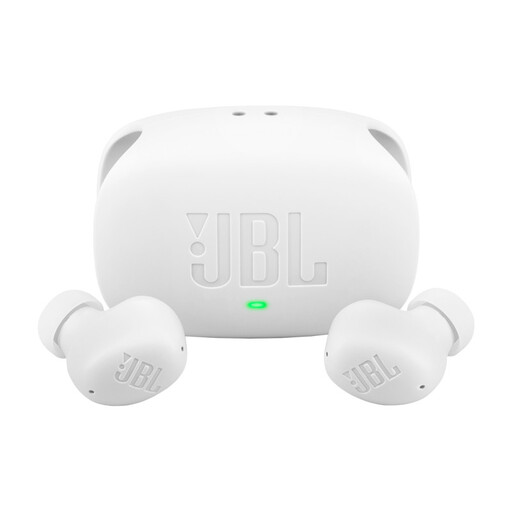 No image available
A close-fitting in-ear option to compare if household noise drowns out the recording. Bear in mind that with this fit, you’ll hear less of your surroundings.
 No image available
The over-ear headband is an alternative to separate earbuds; see whether this style remains comfortable while you do housework.
Wireless; the product title states a battery life of up to 60 hours.
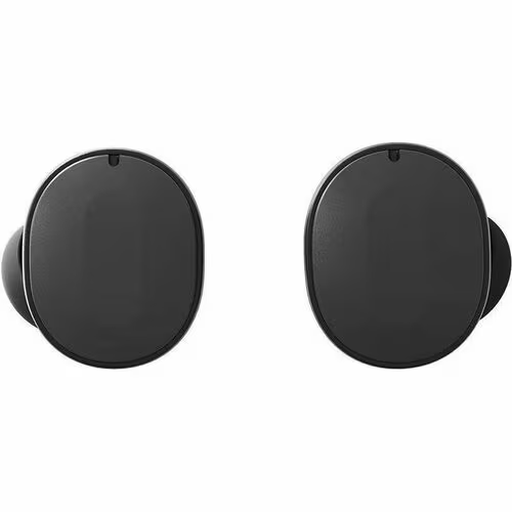 No image available
A close-fitting in-ear option if you want to reduce household background noise; it may be less suitable if you want to keep hearing sounds around you.
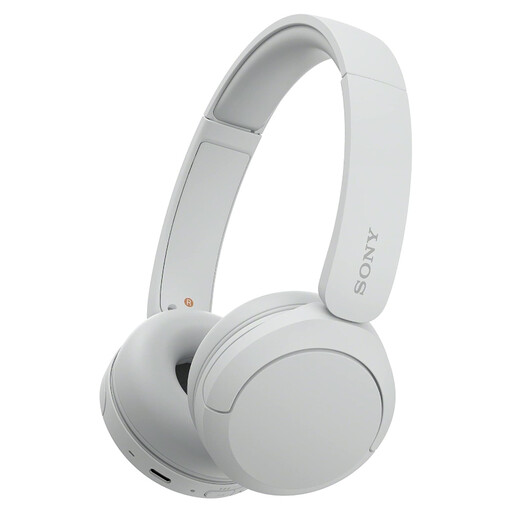 No image available
These on-ear headphones are an option if you prefer wearing a headband to using separate earbuds.
Sony lists up to 50 hours of battery life for the WH-CH520. The Dutch Consumers’ Association describes this model as on-ear and without noise cancellation.
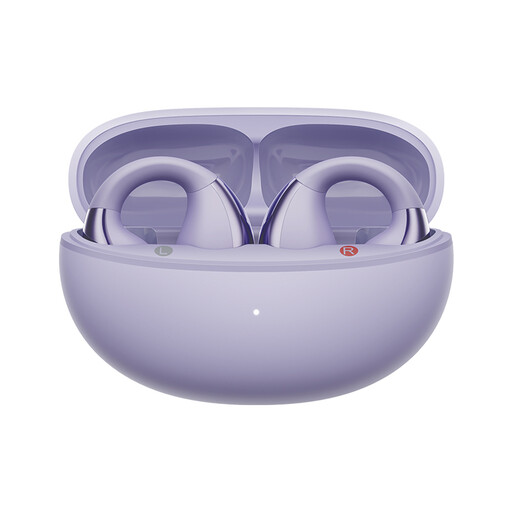 No image available
An open-ear option to compare if you want to keep hearing your surroundings while listening; household sounds may also drown out the recording.
No, not necessarily. An open fit lets in sounds around you, but also the noise from household appliances. Decide which sounds you want to hear and check whether you can still follow the recording while doing your own chores.
No, total playback time including the case isn’t the same as playback time per charge. The Dutch Consumers’ Association points out that earbuds can’t be used while they’re charging in the case. Shokz lists up to 6 hours per charge and up to 28 hours including the case for the OpenFit Air.
Check whether the exact model supports multipoint and follow its manual. Sony explains that multipoint makes it easier to switch between two audio sources when the model supports the feature; Philips lists multipoint for the TAQ2000WT/00, and JBL for the Tune 520BT2.
Don’t make turning up the volume your default solution. The World Health Organization recommends keeping personal audio below 60% of the maximum volume and suggests well-fitting, noise-cancelling headphones as an aid where possible. This doesn’t guarantee that a recording will remain clear while you vacuum.