
Side sleepers who want to keep listening
If you might fall asleep while listening, the shape and fit against your pillow matter. Also check whether a sleep mode lets the recording continue playing.


If you sleep on your side, focus on a low-profile design and a fit that works with your position and pillow; neither guarantees comfort. If you want to play a sermon from your phone, check that Bluetooth streaming works in the mode you use and find out what a timer or automatic sleep function does to the recording. Decide how much sound from the room you want to hear, then set a low volume and a stop time in advance.
If you might fall asleep while listening, the shape and fit against your pillow matter. Also check whether a sleep mode lets the recording continue playing.
You want to keep the spoken audio to yourself while deciding how much sound from the room you can hear. Sealing earbuds and open-ear models offer different trade-offs.
If you take your headphones off as soon as you feel sleepy, reliable playback of your own recording and an easy stop function may matter more than features designed for all-night use.
First, decide how you lie and whether you want to keep wearing the headphones after you fall asleep. Then choose how much background noise you want to hear and how to stop the recording from playing longer than intended.
| What to consider | What should you check? | Who is this important for? |
|---|---|---|
| Fit when lying down | Compare a low-profile design with a slim on-ear style, and try the fit in your usual sleeping position. | If you sleep on your side and may keep wearing the headphones as you nod off, comfort against the pillow comes first. Around 36% of consumers say fit when lying down is their main buying concern. |
| Playing your own recording | Check Bluetooth streaming from your device and find out what a sleep timer or automatic mode switch does to the recording. | If you want to listen to a spoken sermon from your own phone, check that the audio keeps playing in the mode you use. Around 29% of consumers prioritise clear, predictable playback of their own recording. |
| Bedroom noise | Decide whether you want to block out noise or keep hearing it; open-ear designs also let distracting sounds through. | If sounds from a housemate or the surrounding area are a factor, your choice depends on how much of them you want to hear. Around 21% of consumers prioritise peace and quiet or awareness of their surroundings when buying. |
| Volume and listening time | Choose a low volume that is still clear, and check whether you can set a stop function or timer. | If you might fall asleep while the recording is playing, you’ll want to avoid listening for longer than intended. Around 14% of consumers prioritise controlling the volume and listening time. |
A battery-life figure may refer to a specific listening mode or to use with a charging case. So compare the stated playback time per charge in the mode you’ll actually use to play the sermon.
For the Sleep A20, soundcore describes an automatic switch from Bluetooth audio to built-in sleep sounds. This could stop the recording while you still want to listen.
Test the transition, automatic switching and timer with your own recording before relying on them.
You may need to restart the recording or select a different mode.
Soundcore gives separate battery-life figures for Bluetooth and sleep modes on the Sleep A20, and distinguishes between playback time per charge and use with the case.
Compare the stated playback time per charge in the mode you’ll use to play the sermon.
Philips says that production of the TAN7808GY/00 has stopped. The features described do not, by themselves, tell you whether the model is currently available.
Before choosing, check whether the exact version is still on sale and what the purchase terms are.
The Sleep A20 and Sleep A30 are sleep earbuds for anyone looking for a bedtime fit and control over sound.
The Sleepbuds 2 are designed for listening and sound masking while you sleep, including streamed podcasts.
The wireless Bedphones are a slim on-ear alternative for anyone who would rather not wear earbuds in their ear canals.
The WF-C510 is a compact, standard Bluetooth in-ear option for anyone who takes their earbuds out after listening in the evening.
The OpenFit 2 is an open-ear option for anyone who wants to stay aware of surrounding sounds during a short listening session in bed.
These products are standard compact or open-ear earbuds to compare for wireless listening in the evening; not all of the models listed are designed for sleeping.
 No image available
An option to compare if you’re looking for wireless in-ear earbuds to play audio from a device; check the fit before using them while lying down.
Bluetooth 5.4.
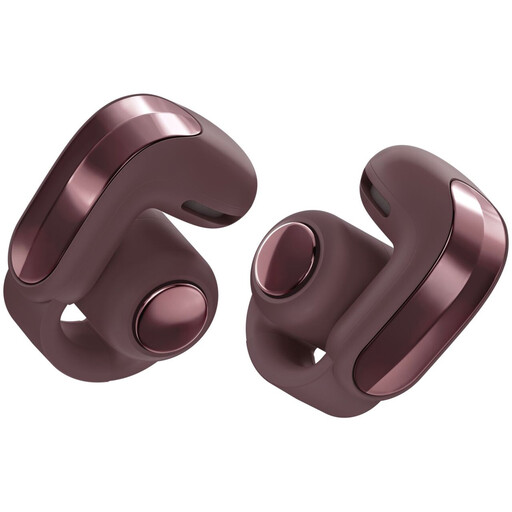 No image available
An open-ear option if you want to stay aware of the sounds around you while listening in the evening; bear in mind that distracting room noise will remain audible too.
Open-ear design.
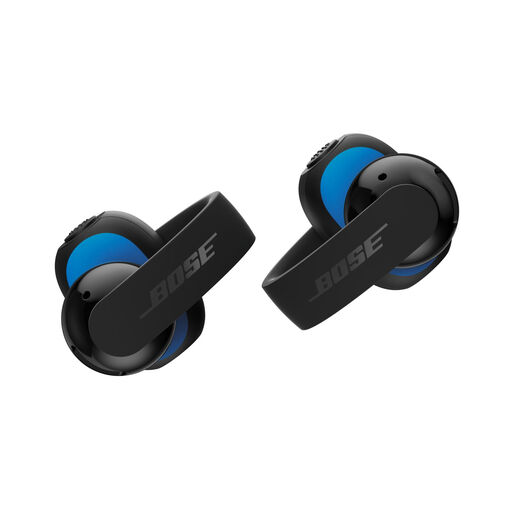 No image available
An open-ear model to compare if you want to stay aware of your surroundings; test whether the shape feels comfortable in your listening position.
Open-ear design.
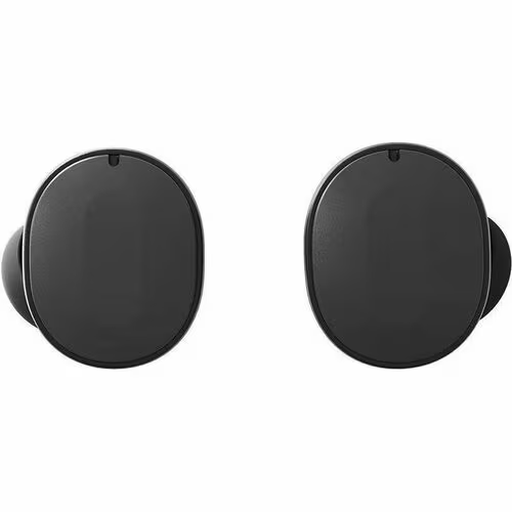 No image available
An option to compare for listening in the evening; check that the fit stays comfortable when you lie down and that the connection to your playback device suits the way you use it.
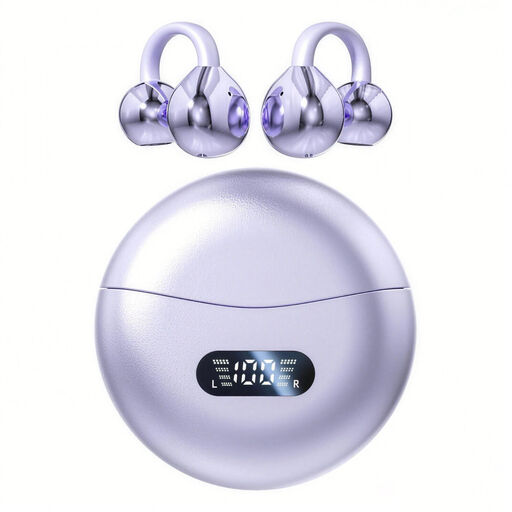 No image available
An option if you want to listen wirelessly without putting an earbud in your ear canal; check that the ear hook works with your pillow and sleeping position.
Bluetooth 5.4; ear-hook design.
Not necessarily. For the Sleep A20, soundcore distinguishes between Bluetooth streaming and sleep mode, and describes an automatic switch to built-in sleep sounds. Check what happens to the recording with your chosen model and playback app when you fall asleep.
Try the available fit options without forcing an earbud deep into your ear, and follow the cleaning instructions for your chosen model. Thuisarts lists earbuds as a possible factor in an inflamed ear canal. If you experience earache, itching or a burning sensation, stop wearing them and contact your GP if the symptoms persist.
Keep the volume low and avoid playing audio for longer than intended. The World Health Organization gives an average of 80 dB for up to 40 hours a week as an example of safe listening time; this is not a setting you can read directly from the volume percentage on every device.
According to the Dutch government, online purchases from a business usually come with a 14-day cooling-off period; check the terms and any exceptions. You’re also entitled to a product that is fit for purpose. The Dutch government states that the Netherlands has no fixed statutory warranty period; if a product is faulty, contact the seller.
Bluetooth equipment is radio equipment and is subject to applicable EU product requirements. The European Commission sets out requirements covering areas such as safety, electromagnetic compatibility and radio spectrum; Business.gov.nl explains CE marking. Being listed in a ranking or shop does not, by itself, verify a specific product.