What should you look for when choosing?
First, try one of your own recordings to see whether you can follow the speakers. Then choose based on your listening environment, comfort and the features you need for long sessions.
| What to consider |
What to look for |
Who is this important for? |
| Following recorded speech |
If possible, test your own recording at a comfortable volume. Compare an equaliser or speech-focused sound mode, without assuming it can fix a poor-quality recording. |
I want to follow different speakers in an existing recording, so I’ll start by assessing my own file. Around 36% of consumers in this situation prioritise speech clarity. |
| Listening in peace |
Compare the fit around your ears and noise cancellation in the room where you listen. Check for an ambient mode if you want to remain available to talk. |
If I listen in a shared or noisy space, I want fewer distractions without expecting noise cancellation to improve the recording itself. Around 29% of consumers in this situation prioritise a quieter environment. |
| Comfort during long sessions |
Try the headphones on and assess the pressure from the ear cups and headband during a typical listening session. Compare on-ear and over-ear models if portability or fit is a deciding factor. |
When listening for long periods, I want a comfortable fit that doesn’t cause uncomfortable pressure. Around 21% of consumers in this situation prioritise wearing comfort. |
| Connectivity and battery life |
Check whether the headphones can connect to your laptop and phone in the way you need. Compare battery life using the same settings, including with noise cancellation on and off. |
If I often switch between devices or plan long sessions, I want to know whether pairing and charging will interrupt my listening. Around 14% of consumers in this situation prioritise connectivity and battery life. |
Headphones at Joybuy
This selection features wireless over-ear headphones with active noise cancellation for listening on your own in places where ambient noise could be distracting.
 No image available
Sennheiser MOMENTUM 4 Wireless, black
Ambient noise and the sound of existing recordings may be reasons to compare this model.
Active noise cancellation; adjustable EQ and presets via the Smart Control app.
The product name states a battery life of up to 60 hours.
View at Joybuy
 No image available
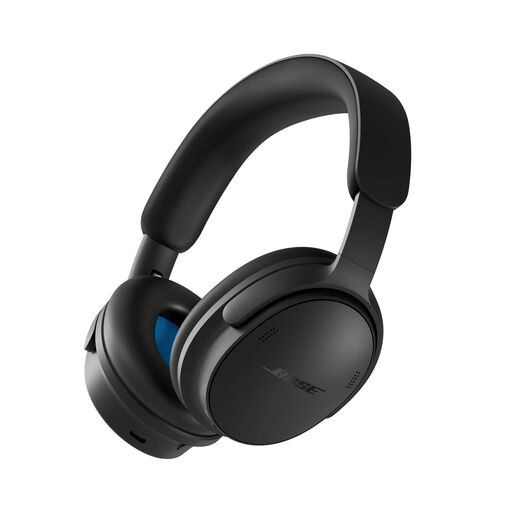
Bose QuietComfort Headphones (2nd Gen), black
An option worth comparing if noise cancellation and on-earcup controls matter to you.
The product description states up to 24 hours of listening with noise cancellation switched on.
The on-earcup controls include play, pause and volume adjustment.
View at Joybuy
 No image available
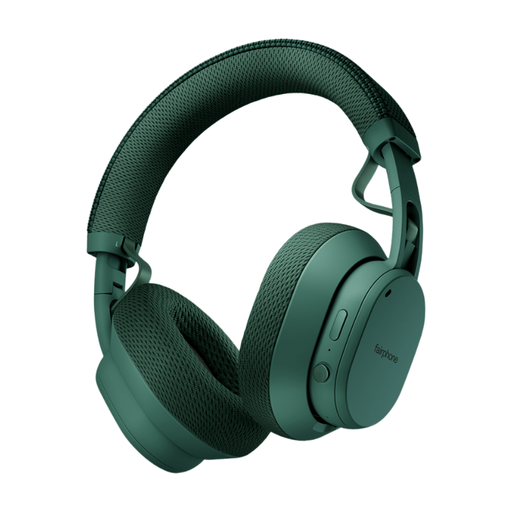
Fairphone Fairbuds XL 2025, green
Compare this model if you also want to consider switching devices and joystick controls for longer sessions.
The product description lists active noise cancellation, an ambient sound mode, multipoint connectivity and a replaceable battery.
An optional app offers EQ settings.
View at Joybuy
 No image available
Bose QuietComfort Ultra Bluetooth Headphones, black
An option worth comparing if you’re looking for over-ear headphones with active noise cancellation for a distracting environment.
The product description lists multipoint connectivity and up to 24 hours of battery life.
View at Joybuy
 No image available
Bose QuietComfort Ultra Headphones (2nd Gen)
Compare this model if you’re weighing up noise cancellation against the option of listening over a wired connection.
The product description lists Bluetooth 5.4, active noise cancellation, a foldable design and a detachable cable with USB-C and 3.5mm connections.
A charger is not included. The product information specifies a 1.8–2.5 W charger and states that PD fast charging is not supported. The product contains magnets; if you have a medical implant, the product information advises consulting a doctor.
View at Joybuy
Frequently asked questions
Can noise cancellation make poorly recorded seminar speakers easier to understand?
No. Noise cancellation won’t fix poorly recorded voices; it is designed to reduce ambient noise while you listen. Play a sample of your own recording and assess speech clarity separately from noise reduction. The Consumers’ Association says it is mainly intended to reduce low-frequency ambient noise.
How should you use headphones during long listening sessions?
First, check the fit and choose a comfortable volume that isn’t unnecessarily high. The World Health Organization gives 80 dB for a maximum of 40 hours a week as a reference point; this isn’t automatically a safe volume setting for every device or listener.
Should you buy separate warranty cover for headphones?
An additional commercial warranty does not replace your statutory rights with the seller. ACM ConsuWijzer explains that, under normal use, you can expect a product to do what can reasonably be expected of it; there is no fixed statutory two-year warranty period in the Netherlands.
Which EU product rules apply to a newly sold pair of wireless headphones?
Bluetooth equipment is covered by the European framework for radio equipment. A CE mark indicates that the manufacturer declares the product complies with the relevant EU product rules; it is not an independent quality mark. The European Commission states that the common USB-C charging rules have applied to the specified category of headphones since 28 December 2024. Check whether they apply to the specific product and type of purchase.
Can you record a seminar discussion to listen back to later?
That depends on the specific recording and the arrangements that apply. The Dutch Data Protection Authority refers to policies on making and storing educational recordings, so check your institution’s rules and the agreements with the people involved before making a recording yourself.


