
Listeners checking what was said
You want to follow different speakers and pick out words in your own seminar recording. The Dutch Consumers’ Association also uses speech clips when assessing headphones.


Start by checking whether you can understand your own recording at a comfortable volume: a different pair of headphones can’t restore information missing from an unclear source recording. Then choose based on comfort for long listening sessions, how much surrounding noise you want to block out or hear, and which connection and battery life suit your playback device. For the exact version sold in the Netherlands, also check the CE marking and relevant product information; the Dutch Authority for Digital Infrastructure outlines the requirements for wireless equipment.
You want to follow different speakers and pick out words in your own seminar recording. The Dutch Consumers’ Association also uses speech clips when assessing headphones.
You listen back to lengthy discussions, so comfort, pressure and battery life matter. The Dutch Consumers’ Association notes that over-ear headphones are often comfortable during long listening sessions.
You want to strike a balance between reducing distractions and staying available for conversations or announcements. The Dutch Consumers’ Association describes ambient modes as a way to hear surrounding sounds.
First, listen to one of your own clips featuring different speakers. Then assess noise reduction, comfort and connectivity. The Dutch Consumers’ Association includes speech clips in its headphone tests, but what you can hear still depends on the source recording.
| Factor to consider | What should you look for? | Who is this important for? |
|---|---|---|
| Speech clarity | Listen to your own recording, including any quiet or overlapping voices. Try any EQ settings, but don’t assume they can restore information missing from the recording. | If I need to follow different speakers in my own recording, natural-sounding voices come first; around 31% of consumers put speech clarity at the top of their list. |
| Comfort during long sessions | Wear the headphones for an extended period and check for pressure from the headband and ear cushions. Try them with glasses too, if you wear them. | If I listen back to lengthy discussions one after another, I want a fit that doesn’t distract me; around 25% of consumers prioritise wearing comfort. |
| Noise isolation or ambient sound | Try ANC where you’ll be listening. Choose an ambient mode or open design if you want to keep hearing conversations or announcements. | If I need to stay available while listening, I want to hear what’s happening around me; around 19% of consumers make balancing noise isolation with ambient sound their top priority. |
| Battery and connectivity | Compare battery life using the same ANC setting, and check that your device supports the Bluetooth or wired connection on offer. Multipoint is particularly useful if you switch between devices. | If I play long files from my own devices, uninterrupted listening matters; around 13% of consumers put battery and connectivity first. |
| Maintenance and lifespan | Check whether the ear cushions or battery can be replaced on the specific model. Only pay for features you need. | If I want to avoid unnecessary expense and difficult maintenance, I look for replaceable parts; around 12% of consumers prioritise cost and maintenance. |
Noise cancelling and speech reproduction are two different things. Headphones can’t re-record an unclear source recording.
Try a familiar clip where you’ll be listening, and assess speech reproduction and noise reduction separately.
Claimed playback time can depend on factors such as the ANC setting. So a maximum figure isn’t necessarily comparable with one measured using a different setting.
Check the settings used to measure battery life for the exact version, and compare like with like.
According to the Dutch government, the Netherlands has no fixed, general statutory warranty period. If a product is faulty, the retailer is your point of contact for a solution.
Before buying, check exactly what an additional warranty covers, and keep your statutory rights separate from any extra warranty terms.
Sony describes the WH-1000XM6 as an over-ear model with ANC, an ambient mode, multipoint and passive listening over a cable.
Sennheiser describes the MOMENTUM 4 Wireless as an over-ear model with adaptive ANC, a Transparency mode and adjustable sound.
JBL describes the Tune 770NC as an over-ear model with ANC, ambient sound features, adjustable EQ and a connection to two Bluetooth devices.
Philips describes the TAH5800WT/00 as an over-ear model with adaptive ANC and Bluetooth, audio cable or USB-C listening options.
Bose describes the QuietComfort Ultra Headphones (2nd Gen) as a model with ANC and a wired connection.
This selection includes wireless over-ear and in-ear models for listening back to seminar recordings. For the exact version sold in the Netherlands, check the product information and CE marking.
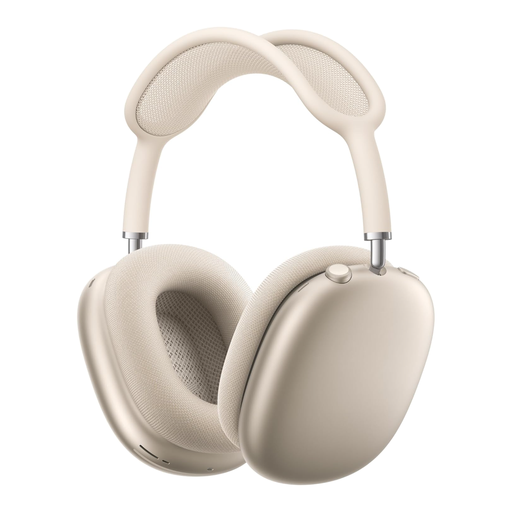 No image available
A good fit for listening back if you want to switch between noise reduction and ambient sound.
The product description mentions ANC and Transparency, as well as a mesh headband and memory foam ear cushions.
 No image available
A good fit for long listening sessions if you want ANC and the option to keep listening over a wired connection.
The product listing mentions up to 60 hours of playback, adjustable EQ, ANC and a 3.5 mm audio cable.
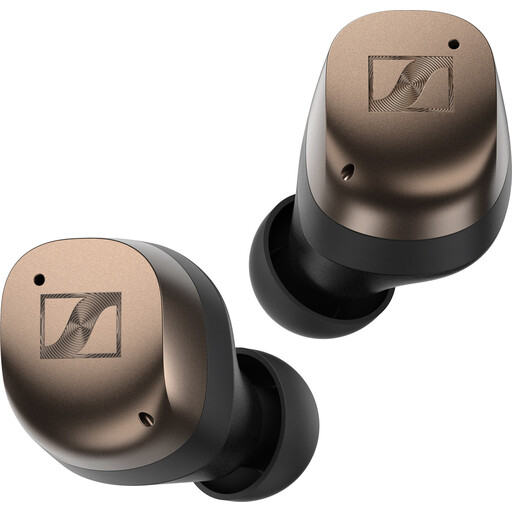 No image available
A good fit if you prefer earbuds and want to switch between ANC and ambient sound while listening back.
The product description mentions Bluetooth, multipoint, adaptive ANC and a Transparency mode. The quoted playback time of up to 30 hours includes the charging case.
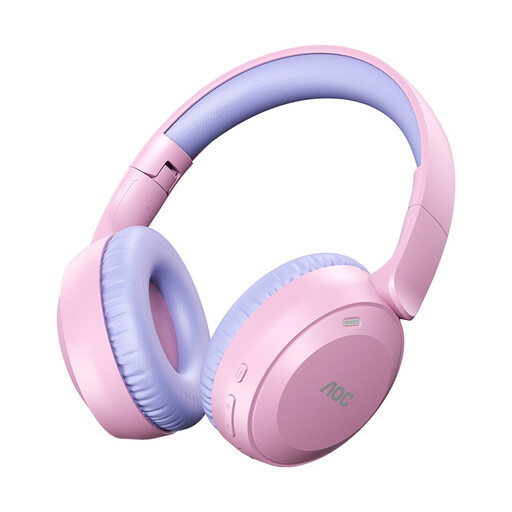 No image available
A good fit if you’re looking for foldable over-ear headphones to use with your own device.
The product name lists Bluetooth 6.0, up to 75 hours of playback, a weight of 182 g, a foldable design and USB-C fast charging.
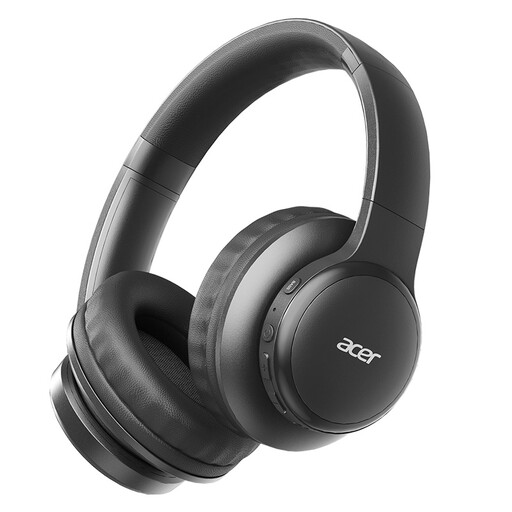 No image available
A good fit if you’re looking for foldable wireless headphones to use with your own device.
The product listing mentions Bluetooth 5.3, a USB-C connection and a foldable design.
If you’re only listening back, the built-in microphone isn’t a deciding factor. First check how voices sound in your own file, then make sure your device and headphones support the same Bluetooth or wired connection.
Start by getting a good fit, and use ANC if there’s background noise. The World Health Organization recommends well-fitting noise-cancelling headphones to reduce the need to turn up the volume; this won’t automatically make quiet words in a recording clearer.
Check whether parts can be replaced on your exact model. According to the Dutch government, the retailer is your point of contact for your statutory rights if a product is faulty; there is no fixed, general warranty period in the Netherlands.
According to the Dutch Authority for Digital Infrastructure, wireless devices sold in Europe must meet the applicable requirements and carry the correct CE marking. Check the marking and product information for the exact version.
According to the Dutch government, distance purchases generally come with a 14-day cooling-off period, subject to exceptions. Check which terms apply to your specific purchase.