
Vandaag of morgen in huis

Kwaliteit gegarandeerd

Welkomstaanbiedingen ontgrendelen: GRATIS bezorging | Tot 80% korting | Gratis 30 dagen JoyPlus-proefperiode
Download de app
Wireless headphones may seem easy to choose: Bluetooth, an attractive design and long battery life are easy to find. However, models can vary greatly in comfort, microphone quality, connectivity and noise isolation. A low price may also mean limited features, while a more expensive model isn’t automatically a better fit for your needs.
So, keep an eye out for these three common pitfalls:
Don’t just look at the maximum number of hours. Check whether the battery life applies with ANC switched on or off, which charging port is used and whether fast charging is supported. For daily commuting or working from home, a model offering around 30 hours of use is often practical. If you’d rather charge less often, look for models offering 50 hours or more.
Also look out for conflicting product information. The Sony WH-CH520 product description states a battery life of up to 50 hours, while the technical specifications also mention 40 hours. So, always check the latest product specifications and usage settings before ordering.
Over-ear headphones fit around your ears and can be comfortable for long listening sessions. On-ear models rest on your ears and are generally more compact. The right style depends on your preferences, whether you wear glasses, your hairstyle and how long you’ll use them for.
Compare the weight and look for:
Lightweight headphones are handy on the go, but that alone doesn’t tell you how well they’ll fit.
Bluetooth headphones should connect reliably to your phone, laptop or tablet. Bluetooth versions such as 5.2, 5.3 or 5.4 give you an indication of the technology used, but the actual experience also depends on the source device.
For working from home, headphones with a microphone matter more than just a good music profile. Check whether the model supports multipoint, so you can stay connected to both a laptop and smartphone, for example. A 3.5mm cable is useful if the battery runs out or you’re using a device without Bluetooth.
Noise-cancelling headphones use microphones and electronics to reduce ambient noise. This can be useful on the train, in the office or on a flight. A transparency mode, also known as aware mode, lets more surrounding sound through.
According to Bose’s product description, the QuietComfort models feature active noise cancelling and different listening modes. Baseus’s own product description states that the Baseus EH10 can reduce noise by up to -45 dB. This is a brand claim under specific conditions, not a guarantee that every sound will be reduced by that amount.
Don’t use ANC in situations where you need to hear traffic or warnings. Also, avoid listening at high volumes for long periods to reduce the risk of hearing damage.
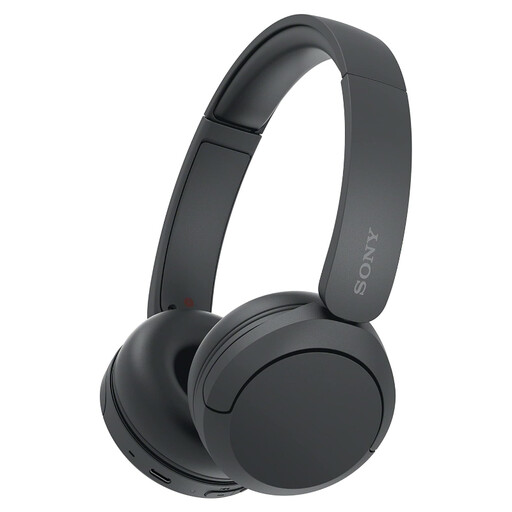
Why it suits this type of user: These on-ear headphones are lightweight, with a stated weight of 147 grams, and feature Bluetooth, a microphone and multipoint connectivity.
The product specifications clearly state the fit, weight, USB-C connection and microphone details. So you don’t have to rely solely on general claims about comfort.
147 grams, multipoint, USB-C and, according to the product description, up to 50 hours of battery life. The technical specifications also state 40 hours, so check before you buy.

Why it suits this type of user: Over-ear headphones with Bluetooth 5.4, active noise cancelling, spatial audio features and a detachable cable.
As well as wireless listening, you can also connect with a cable. This means you don’t have to rely on the battery when using them at home.
Bluetooth 5.4, 3.5mm and USB-C cable options according to the product information, plus a stated charging time of 180 minutes.
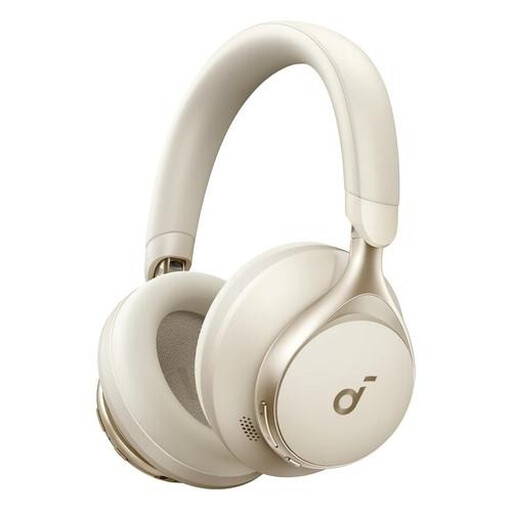
Why it suits this type of user: Designed for calls and music, this model offers wired and wireless connectivity, a foldable design and three microphones.
The 3.5mm socket gives you an alternative if Bluetooth isn’t available or the battery runs low. The stated battery life is up to 55 hours.
40mm dynamic drivers, three microphones, USB-C charging, a foldable design and a stated battery life of 55 hours.
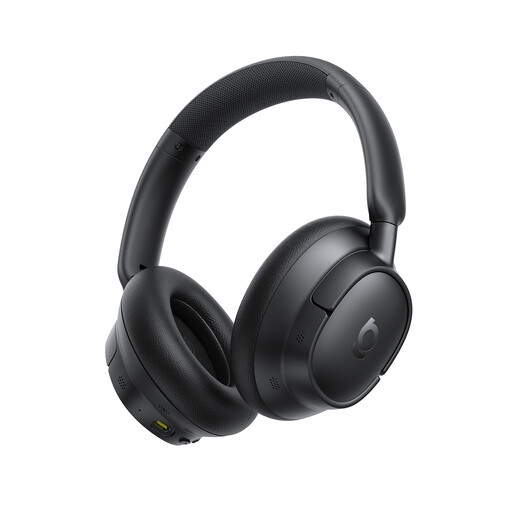
Why it suits this type of user: The product description lists an over-ear design, ANC, LDAC support, five microphones and long battery life.
The battery claim is broken down by usage: according to the product description, up to 80 hours without ANC and 55 hours with ANC. This makes the usage conditions clearer.
Bluetooth 5.4 according to the product information, LDAC, USB-C fast charging and five built-in microphones for calls.
We’ve put together a full, up-to-date list of products that meet these strict selection criteria and current European safety regulations.
Switch on the headphones and hold down the Bluetooth or power button for a few seconds. Then open the Bluetooth settings on your phone and select the name of the headphones. When pairing for the first time, you may see a confirmation on screen. If the connection doesn’t work, remove any old pairing and try again.
Their lifespan depends on the battery, hinges, ear cushions and how often you use them. Battery capacity may decrease over time. Keep the headphones dry, charge them with a suitable cable and avoid prolonged exposure to heat. A model with replaceable or separately available ear cushions may be more practical for long-term use.
Yes. ANC uses extra power because the microphones and electronics are continuously active. The difference varies between models, so always compare the battery life with ANC switched on and off. ANC may not be necessary in a quiet home, but can be more useful on public transport.
