Brands to compare for this choice
The listening impressions and specifications mentioned apply to individual models; they are not a verdict on every product from a brand.
Bose
The first-generation QuietComfort Ultra Headphones are an over-ear ANC model that has been reviewed for listening to classical recordings.
- The Classic Review describes the sound as balanced and the model as comfortable.
- The same review found the bass somewhat restrained during orchestral climaxes. This assessment relates to this model, not all Bose headphones.
Bowers & Wilkins
The Px7 S3 is a closed-back wireless over-ear headphone with ANC and ambient mode.
- The Classic Review praises its instrument separation.
- The same review notes that this can make the orchestral balance seem less cohesive, and that ambient sound gets through. Bowers & Wilkins quotes up to 30 hours of wireless playback with noise cancellation switched on, under the stated playback conditions.
Sennheiser
The MOMENTUM 4 Wireless is an over-ear model with adaptive ANC, transparency mode and adjustable EQ.
- Sennheiser lists app-based sound personalisation and up to 60 hours of playback.
- These figures from the brand don’t prove that this model reproduces orchestral music better than the other models mentioned.
Sony
The WH-1000XM6 is a closed-back over-ear headphone with ANC, ambient mode, multipoint and a wired input.
- Sony quotes up to 30 hours of music playback with noise cancellation on, and 40 hours with noise cancellation off.
- When listening wirelessly, check that your audio source supports the codec you want to use; a codec specification alone isn’t a listening test.
JBL
The Live 780NC is a foldable over-ear headphone with adaptive ANC and settings available through the JBL Headphones app.
- JBL lists multipoint and customisable ambient sound.
- Try them for yourself to see whether the fit and sound work for you during quieter orchestral passages.
Joybuy products for listening on the train
These Joybuy product picks are aimed at wireless listening with noise cancellation on the train, and include both over-ear models and in-ear earbuds.
 No image available
Sennheiser MOMENTUM 4 Wireless, 60 hours, black
A wireless over-ear option to compare if you’re looking for noise cancellation for a train journey.
The product name lists a 60-hour battery life.
View at Joybuy
 No image available
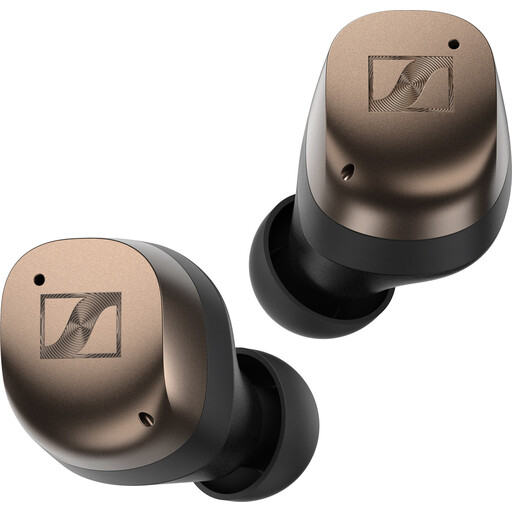
Sennheiser MOMENTUM True Wireless 4 Smart Earbuds, Black Copper
A compact in-ear option to compare if you want to save space in your bag and be able to hear ambient sound while travelling.
View at Joybuy
 No image available
Bose QuietComfort Ultra Bluetooth Headphones, black
A wireless over-ear option to compare if noise cancellation and comfort during longer listening sessions matter to you.
View at Joybuy
 No image available
Sonos ACE over-ear Bluetooth headphones, black
An over-ear option to compare if you want to reduce train noise while still being able to hear ambient sound.
View at Joybuy
 No image available
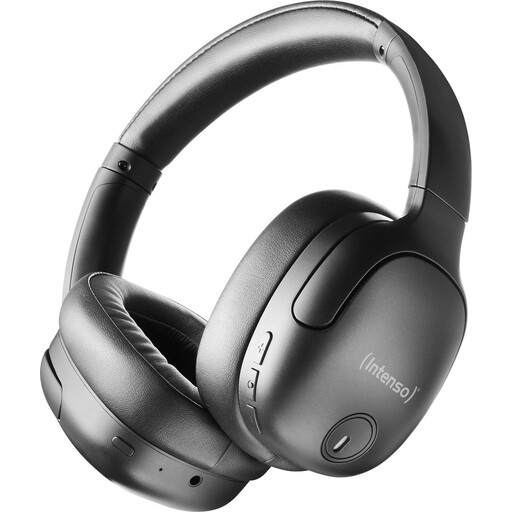
Intenso O400HA over-ear headphones, black
An over-ear option to compare if you’re looking for noise cancellation for a longer train journey.
View at Joybuy
Frequently asked questions
Should ANC always be on for orchestral music on the train?
No. Switch ANC on if train noise masks quieter passages, and compare the sound with ANC switched off too. Use ambient mode or pause the music when you need to hear an announcement; the level of noise reduction varies by fit and model.
How can I listen safely, and what should I look out for while using my headphones?
Start at a low volume and don’t automatically turn it up to compensate for quieter passages. The World Health Organization recommends well-fitting noise-cancelling headphones in noisy situations, so you’re less likely to need to turn the volume up. Take regular breaks during long listening sessions, and test how to switch on ambient mode before you set off.
What warranty and cancellation period apply to online purchases in the Netherlands?
For online purchases from a business, you often have a 14-day cancellation period. You’re also entitled to a product that is fit for purpose; according to the Dutch Government, there is no set statutory warranty period in the Netherlands. If there’s a fault, contact the seller and check the terms of any paid-for additional warranty before choosing it.
Can I listen to music on headphones on a Dutch train or in a quiet carriage?
On journeys covered by NS’s house rules, the quiet zone must be kept quiet, and you must not disturb other passengers anywhere on the train with loud music. Keep the volume low enough that other people can’t hear it. If you’re travelling with another operator, check its own rules.


