
Listening next to a sleeping roommate
You want to listen to orchestral music without disturbing the other person with sound leakage. A closed-back design and a good fit matter more than ANC alone, as Sennheiser Hearing Support explains.


Start with well-fitting, closed-back headphones and keep the volume modest if you’re listening next to a sleeping roommate. ANC reduces background noise for you, but it won’t automatically stop music leaking out. Compare the sound for orchestral music, comfort and features with your own source device, and check the requirements for the version on offer before you buy.
You want to listen to orchestral music without disturbing the other person with sound leakage. A closed-back design and a good fit matter more than ANC alone, as Sennheiser Hearing Support explains.
You want to assess quiet passages and the balance between instrument groups. Compare the sound with music you know, and use any settings as a guide, not as a guarantee of a better listening experience.
You wear headphones for extended periods, so you’ll want to consider pressure around your ears and head, battery life and ease of use.
In a shared bedroom, a good seal is the first step. Sennheiser Hearing Support explains that closed-back headphones help limit sound leakage, while ANC mainly reduces noise for the wearer. The WHO points out that both volume and listening time matter.
| What to consider | What to look for | Who is this important for? |
|---|---|---|
| Sound leakage | Look for a closed-back design and well-fitting ear cushions; assess sound leakage at the volume you use at home. | If your roommate is asleep, you’ll want to listen to music without disturbing the quiet room. Around 36% of consumers put limiting sound leakage first. |
| Orchestral sound | Compare quiet and loud passages using recordings you know; a codec or frequency range is no substitute for listening for yourself. | If you mainly want to assess the balance between instrument groups, listen for yourself before relying on settings. Around 29% of consumers give orchestral sound top priority. |
| Comfort | Consider the pressure from the headband and ear cushions, and try the headphones on for longer than a few minutes if possible. | If you listen to a complete performance in one sitting, you’ll want the ear cushions and headband to remain comfortable. Around 21% of consumers choose comfort as their main consideration. |
| Practicality | Compare battery life using the same ANC setting and check that the connection works with your source device. | If you use the headphones for more than one listening session, pairing, controls and battery life may be important factors. Around 14% of consumers put practicality and value for money first. |
ANC is designed to reduce background noise for the listener; your roommate may still be able to hear your music.
Prioritise a closed-back design and a good fit, then check for sound leakage at your usual listening volume.
The WHO points out that both volume and listening time count towards sound exposure.
First, try improving the fit or reducing background noise, and keep the volume modest.
Manufacturers may give different maximum playback times for the same model with ANC on and off.
Only compare figures with the same settings, and don’t treat a maximum as guaranteed playback time.
According to ACM ConsuWijzer, your statutory rights against the retailer remain in place alongside commercial guarantees.
Check what an optional warranty service adds to your existing rights.
A paid warranty service may involve extra costs; consider these separately from your statutory rights.
According to Sennheiser, the MOMENTUM 4 Wireless and HDB 630 have different features and sound profiles, so consider them as separate models.
According to the Dutch specifications, the WH-1000XM6 is a closed-back model with ANC, Ambient Sound mode and multipoint.
The standard Tour One M3 is a wireless over-ear headphone with features specified by JBL for this model.
According to the manufacturer, the Space One Pro is a foldable over-ear headphone with ANC.
This selection features closed-back wireless over-ear models with ANC; some also offer sound adjustment settings.
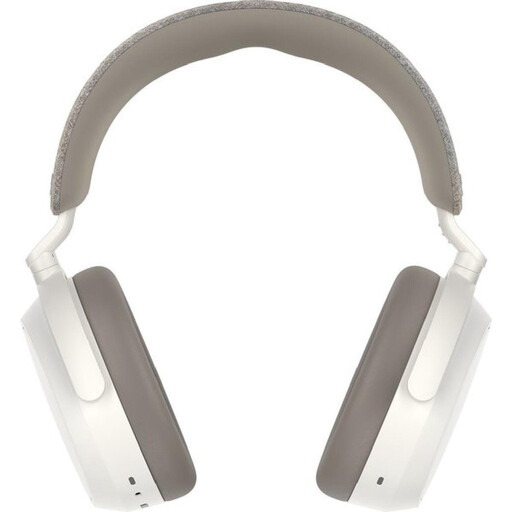 No image available
Suited to anyone who wants to adjust the sound and reduce background noise for themselves.
Lists ANC, EQ, presets and Transparency mode; stated battery life of up to 60 hours.
The stated battery life is a maximum, not a guarantee for every usage setting.
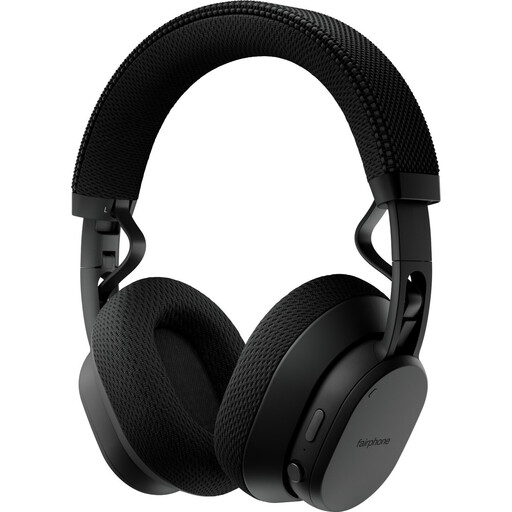 No image available
Suited to anyone who values a closed-back over-ear design and adjustable sound.
Lists ANC, app EQ, USB-C and a replaceable battery.
The available product information doesn’t state the battery life; check that the version on offer meets your charging needs.
 No image available
Suited to anyone looking for a closed-back design and ANC to reduce background noise for the wearer.
Lists Bluetooth, multipoint and a maximum battery life of 24 hours.
The product information mentions leather ear cushions and low clamping force; fit and comfort are still personal.
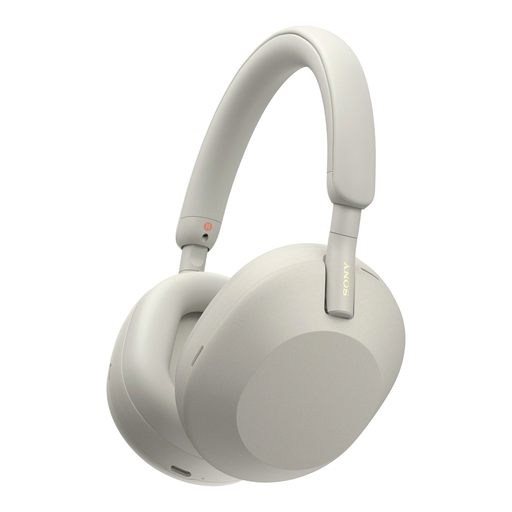 No image available
Suited to anyone looking for closed-back over-ear headphones, ANC and connection to multiple devices.
Lists multipoint and up to 30 hours of battery life with noise cancelling on.
Check compatibility with your source device and only compare battery life using the same settings.
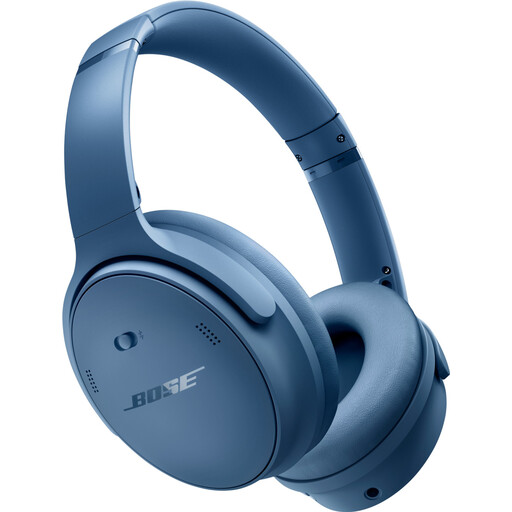 No image available
Suited to anyone looking to compare a closed-back design with ANC and adjustable EQ.
The product information lists EQ settings via the Bose app and several noise-cancelling modes.
Before you buy, check that the controls and app features work with your source device.
No. ANC reduces background noise for you, but it won’t automatically prevent sound from leaking out. To reduce sound leakage, start with well-fitting, closed-back headphones and check the effect at your usual volume.
Don’t keep turning up the volume to hear quiet passages. The WHO points out that both volume and listening time matter; a good fit and noise cancellation may help reduce the temptation to turn the volume up.
Check that the headphones and your source device support the same Bluetooth features, and compare battery life using the same ANC setting. Rechargeable headphones that are charged with a cable and are first placed on the EU market from 28 December 2024 must meet the applicable USB-C charging requirements; existing stock placed on the market earlier isn’t automatically excluded.
Radio equipment placed on the market in the Netherlands must meet European product requirements and carry CE marking, according to the Dutch Authority for Digital Infrastructure. Check the marking on the version on offer; CE marking doesn’t prove that the sound quality will suit your preferences.
For online purchases, there is generally a statutory 14-day cooling-off period after delivery, according to ACM ConsuWijzer. Your statutory guarantee rights also apply alongside any manufacturer’s or retailer’s guarantee. If a product breaks sooner than you could reasonably expect under normal use, the retailer must offer an appropriate solution.