
Library listener who doesn’t want to disturb others
You want a quiet listening experience for yourself and those around you. A good fit, a closed-back design and minimal sound leakage matter more than turning the volume up as high as possible.


For listening to orchestral music in a quiet library, well-fitting wireless closed-back over-ear headphones or in-ear headphones are usually a more sensible first choice than an open-back model. RTINGS.com explains that closed-back designs limit sound leakage, while the Dutch Consumers’ Association highlights fit and comfort as factors to consider. Keep the volume modest and compare headphones using a recording you know well. ANC reduces background noise for you, but it cannot replace a good fit or tell you how much of your music other people can hear.
You want a quiet listening experience for yourself and those around you. A good fit, a closed-back design and minimal sound leakage matter more than turning the volume up as high as possible.
You want to assess strings, brass and dynamic passages using recordings you know well. An open-back design isn’t automatically suitable for a shared quiet space.
You wear your headphones for extended periods, so it’s worth considering fit, controls and battery life.
First, decide how important minimal sound leakage is to you, then weigh up orchestral sound, long-term comfort and ease of use.
Choose this option if: you listen for extended periods and the ear cushions fit snugly around your ears.
Consider: fit and sound can vary depending on your head shape and whether you wear glasses, and the headphones take up more space in your bag.
Choose this option if: portability is important and you can find a well-fitting ear tip that creates a good seal.
Consider: individual fit is key. Compare the earbuds’ own listening time, not just the total battery life including the charging case.
Choose this option if: hearing your surroundings matters more and you’re sure that other people can’t hear your music.
Consider: an open design lets sound escape and does little to block out your surroundings, so it’s not an obvious first choice for a quiet library.
| What to consider | What should you look for? | Who might find this especially relevant? |
|---|---|---|
| Not disturbing others | Choose a closed-back design, check the fit and ask someone to listen from a normal seated distance while you play music at your usual volume. | When I listen in a quiet reading room, I don’t want people next to me to hear my music. Around 36% of consumers prioritise minimal sound leakage. |
| Orchestral sound | Compare the same familiar recording on the same device at a similar, comfortable volume; try listening with EQ both on and off. | I want to assess strings and brass using a recording I know well, rather than relying solely on a codec or EQ specification. Around 29% of consumers prioritise orchestral sound. |
| Long-term comfort | Try the headphones on for more than a few minutes, with glasses if you wear them, and check that the seal stays in place. | When I listen for a long time, I want the headband and ear cushions to stay comfortable. Around 21% of consumers prioritise wearing comfort. |
| Controls and wireless use | Try the pause and ambient sound controls, and compare battery life in the mode you’ll actually use. | When I listen in the library, I want to be able to pause my music easily and avoid running out of battery unexpectedly. Around 14% of consumers prioritise controls and battery life. |
An open-back design can let sound reach people around you, which is especially noticeable in a quiet library.
For this setting, compare closed-back models first and check for sound leakage at your normal volume.
Noise cancelling reduces background noise for the wearer, but it doesn’t tell you how much of your music other people can hear.
Assess the fit and sound leakage separately from ANC performance.
Manufacturers may quote different maximum battery lives with noise cancelling on and off. Sony lists separate maximum figures with NC on and off for the WH-1000XM6.
Only compare figures with the same settings, and don’t assume a manufacturer’s maximum is guaranteed to match your real-world battery life.
The closed-back WH-1000XM6 is worth comparing if you’re looking for an ambient sound mode, multipoint connectivity and ANC.
The MOMENTUM 4 Wireless is an over-ear option to compare if adjustable sound and a long claimed battery life matter to you.
The Tour One M3 is an over-ear option to compare if you want to explore wired connections as well as Bluetooth.
The Pi8 is a compact in-ear option if portability matters more to you than an over-ear design.
These Joybuy products are wireless over-ear headphones to compare for listening in a quiet library.
 Image unavailable
Suitable if you’re looking for wireless over-ear headphones with adaptive ANC and adjustable EQ for listening sessions.
The product information lists 42mm transducers, a transparency mode and up to 60 hours of playback. The description mentions a padded headband and deep, padded ear cushions.
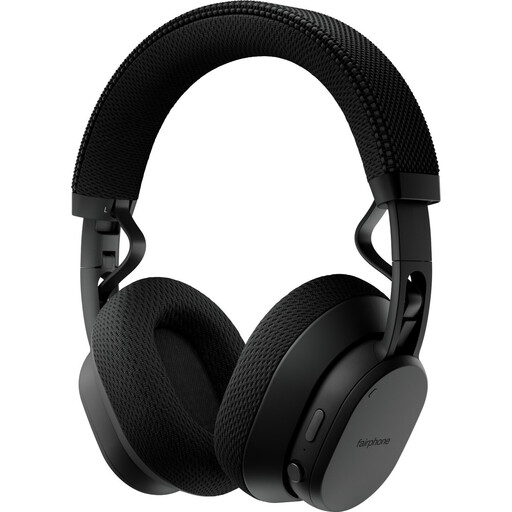 Image unavailable
Suitable if you’re looking for closed-back wireless over-ear headphones and want to adjust the sound to suit your preferences.
The product information lists ANC, multipoint connectivity and EQ settings. Maximum battery life is 30 hours without ANC; the headband and ear cushions feature mesh fabric.
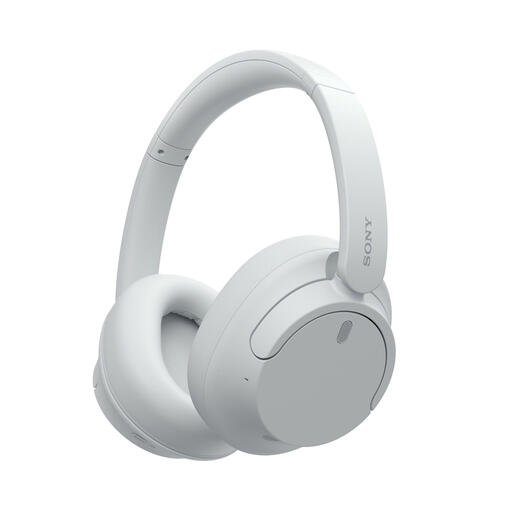 Image unavailable
Suitable if you’re looking for closed-back wireless over-ear headphones with active noise cancelling for listening sessions.
The product information lists multipoint connectivity, sound settings via an app and up to 50 hours of battery life. The headband is adjustable and the ear cushions are soft.
 Image unavailable
Suitable if you want to listen wirelessly with active noise cancelling and also use the included audio cable.
The product information lists Bluetooth and up to 24 hours of battery life. The closed-back design has leather ear cushions; the description mentions minimal clamping pressure.
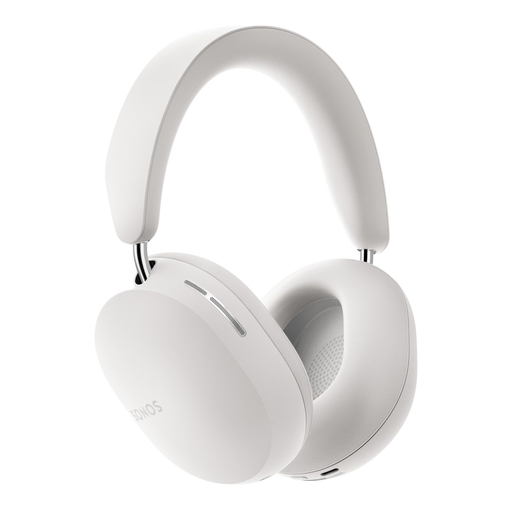 Image unavailable
Suitable if you’re looking for closed-back wireless over-ear headphones and want to use EQ settings to adjust the sound.
The product information lists active noise cancelling and up to 30 hours of battery life with ANC switched on. The ear cushions are made from memory foam, and the ear cups are adjustable and swivel.
No. ANC is designed to reduce noise for the wearer. Check for sound leakage separately and keep the volume modest.
Adjust the headband properly and try the headphones with glasses on if you wear them. For in-ear headphones, choosing the right tip size is important for a good seal.
You’re entitled to a product that works as it should, and the retailer is your point of contact if there’s a fault. According to the Government of the Netherlands, there is no fixed statutory two-year warranty period that applies to every product.
For online purchases, you generally have a statutory 14-day cooling-off period from delivery, according to ACM ConsuWijzer. Check whether an exception applies to your product, for example because a hygiene seal has been broken. Any additional returns promises from the retailer are separate from this statutory right.