
Vandaag of morgen in huis

Kwaliteit gegarandeerd

Welkomstaanbiedingen ontgrendelen: GRATIS bezorging | Tot 80% korting | Gratis 30 dagen JoyPlus-proefperiode
Download de app
Wireless over-ear headphones with noise cancelling are handy on the train, at the office, on a flight or at home. But a high price doesn’t automatically mean a model is right for you. Three common pitfalls are worth watching out for: noise cancelling that’s less effective than expected, battery life that’s only achievable in ideal conditions, and ear cushions that become uncomfortable over time.
Use these practical pointers to compare Bluetooth headphones on the features that matter in everyday use: ANC performance, comfort, battery life, call quality and connectivity options.
Active noise cancelling, or ANC, uses microphones and electronic processing to counteract surrounding noise. It’s often most effective against consistent low-frequency sounds, such as the noise of a plane, train or ventilation system. Voices, sudden sounds and high-pitched noises may still be audible.
So check whether a model also has a transparency mode or ambient mode. This lets you hear traffic, colleagues or announcements without taking off your headphones. Don’t use ANC as a substitute for paying attention in traffic.
Manufacturers often quote maximum play time with ANC switched off. When choosing headphones with long battery life, it’s important to check the difference between ANC on and ANC off. Volume, codec, phone calls and Bluetooth connections can also affect how long the headphones last.
A USB-C port is handy, but check whether a charger is included. According to the product information, the Bose QuietComfort Ultra Headphones (2nd Gen) come without a charger and don’t support PD fast charging.
Over-ear headphones should fully enclose your ears. Pay attention to the shape and depth of the ear cushions, the pressure of the headband and the weight. A lightweight model may be comfortable for commuting, while larger cushions can give your ears more room.
A good fit is also important for passive noise isolation. If a lot of sound gets in around the ear cushions, ANC has to work harder and your listening experience may suffer. Glasses, long hair or a smaller head can affect the fit.
For everyday travel, a full working day’s battery life is useful. Product specifications show clear differences:
Always compare figures measured under the same conditions. “Up to” means the maximum under the manufacturer’s test conditions, not a guaranteed amount of use.
Bluetooth 5.2, 5.3 or 5.4 tells you which connection standard is used, but doesn’t on its own indicate how stable the connection will be in your home. Above all, check whether multipoint is supported if you want to use a laptop and smartphone at the same time.
The supported codec may also matter for music. For example, the Sony WH-1000XM5 supports LDAC as well as AAC and SBC. The Sennheiser MOMENTUM 4 has a 42mm transducer system and can also be connected with a 3.5mm cable. A wired option is useful when the battery runs out or when you’re using a device without Bluetooth.
For online meetings and phone calls, the number of microphones, wind noise reduction and microphone placement all matter. Manufacturer claims about features such as artificial intelligence or a particular percentage of noise reduction aren’t a guarantee of performance in every setting. Treat this information as a specification from the brand, and consider user reviews and returns policies too.
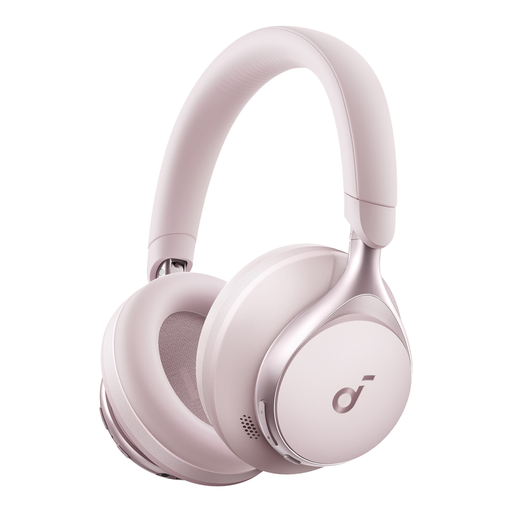
Why it suits this type of user: This model combines wireless Bluetooth connectivity, USB-C charging and a stated battery life of up to 55 hours. That makes it suitable for everyday listening, calls and commuting.
The battery life is clearly stated, and USB-C makes it easy to charge with a cable you already have.
Up to 55 hours of battery life; over-ear design; suitable for music and calls.

Why it suits this type of user: The Sony WH-1000XM5 is designed for travellers and people working from home who want to combine ANC, multipoint and high-quality Bluetooth audio.
The product information distinguishes between 30 hours with ANC and 40 hours without it, making it easier to estimate battery life realistically.
LDAC support; multipoint; USB-C and an audio cable included.
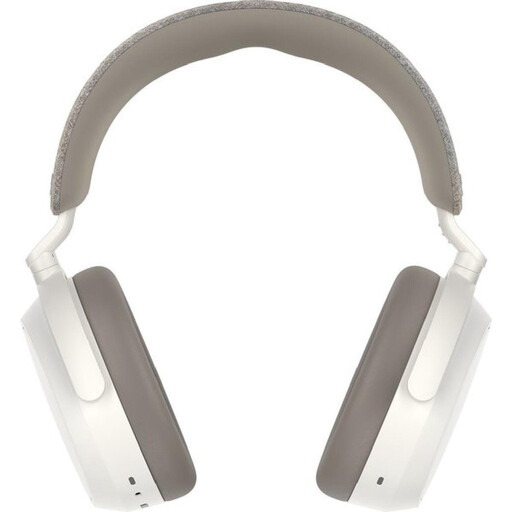
Why it suits this type of user: For long journeys and frequent listening, the stated play time of up to 60 hours is a real advantage. The headphones also offer an app, adjustable audio and four microphones for calls.
The deep cushions and padded headband are designed for extended wear, but check that the fit works for you.
Up to 60 hours of battery life; 42mm transducer system; app with EQ and sound settings.

Why it suits this type of user: This model is aimed at users who value active noise cancelling, an immersive listening mode, and both Bluetooth and wired connectivity.
Being able to choose between Bluetooth and a cable means you don’t have to rely solely on the battery when travelling.
Bluetooth 5.4; 3.5mm and USB-C connections; Cinema Mode and Bose Immersive Audio according to the product information.
We’ve put together a complete, up-to-date list of products that meet these strict selection criteria and the applicable European safety regulations.
Yes. ANC can be useful, particularly for steady background noise on planes, trains and buses. Choose a model with a transparency mode, a foldable design, a storage case and battery life that suits your journey. A wired connection is handy if Bluetooth isn’t available or the battery runs out.
It varies by model and settings. Stated battery life can be considerably lower when ANC, high volumes or phone calls are in use. So always compare the figures for ANC on and ANC off. USB-C fast charging can also be more useful than a high maximum play time alone.
That depends on the microphones, wind noise reduction, the software used and your surroundings. For working from home, multipoint, a clear microphone and easy controls are important. When choosing, also check that the headphones work with your laptop and smartphone. In busy outdoor settings, expect call quality to vary.
