
Vandaag of morgen in huis

Kwaliteit gegarandeerd

Welkomstaanbiedingen ontgrendelen: GRATIS bezorging | Tot 80% korting | Gratis 30 dagen JoyPlus-proefperiode
Download de app
Wireless headphones with noise cancelling can be a great choice on the train, in the office or on a long-haul flight. But a bold claim on the packaging doesn’t tell you everything. One model may be best for travelling, while another is better for calls, sport or everyday use with an iPhone.
Most costly mistakes come down to three common pitfalls:
With active noise cancellation, often shortened to ANC, microphones and electronics work together to reduce background noise. Don’t just look for the term “noise cancelling”; check which modes are available, too. Transparency mode lets in surrounding sounds, which is useful when you’re waiting at a station or want to have a quick chat.
Pay attention to the manufacturer’s wording, too. If Apple or Sony describes a particular improvement or sound performance, it’s a claim based on the brand’s own research or product information. Don’t treat it as a universal guarantee that every user will have the same experience.
In-ear headphones sit in your ear canal and are easy to carry around. The fit directly affects comfort and sound isolation. According to the product information, the Apple AirPods Pro 3 come with five sizes of silicone ear tips, giving you more options to find a comfortable fit.
Over-ear headphones fully enclose your ears. This can be comfortable for films, music and train journeys, but consider the weight and ventilation. The Sony ULT WEAR weighs 255 grams according to its specifications. The Apple AirPods Max models weigh 384.4 grams and aren’t water-resistant according to the product information. That makes them less suitable for intense exercise or use in the rain.
An IP rating is useful for sport and commuting. The AirPods Pro 3 are listed with IP57 dust and immersion protection. Always check the official instructions and terms of use before exposing a product to water. An IP rating doesn’t mean every part is waterproof in all conditions.
Check battery life in three ways:
The Sony ULT WEAR lists up to 30 hours of use with noise cancelling and supports fast charging according to the product information. The Apple AirPods Max (USB-C) list up to 20 hours with active noise cancellation. With wireless earbuds, the charging case’s capacity also plays a big part.
A Bluetooth headset will generally work with both iPhone and Android, but some features may differ. Automatic switching, spatial audio, voice control and finding features can sometimes work better within the same brand’s ecosystem. So check whether you’re looking for headphones for iPhone and Android, or the best possible integration with one platform.
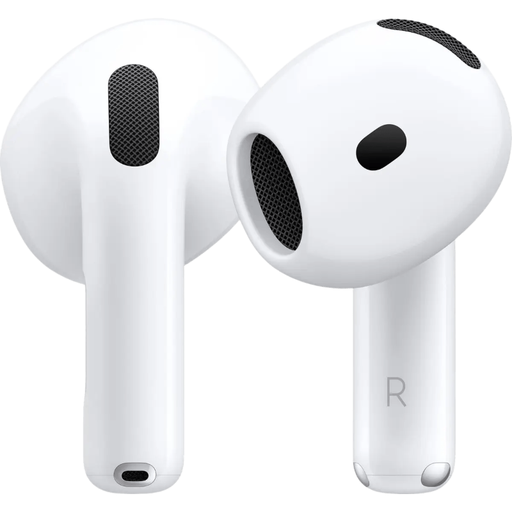
Why it suits this profile: A straightforward choice for everyday listening, calls and use with Apple devices. The earbuds come with a USB-C charging case and offer a stated total battery life of over 30 hours with the case.
The product information clearly states that this model doesn’t have active noise cancelling. So you won’t pay for an ANC feature you don’t need.
Bluetooth 5.3, spatial audio according to the product description, IP54 rating and USB-C charging.
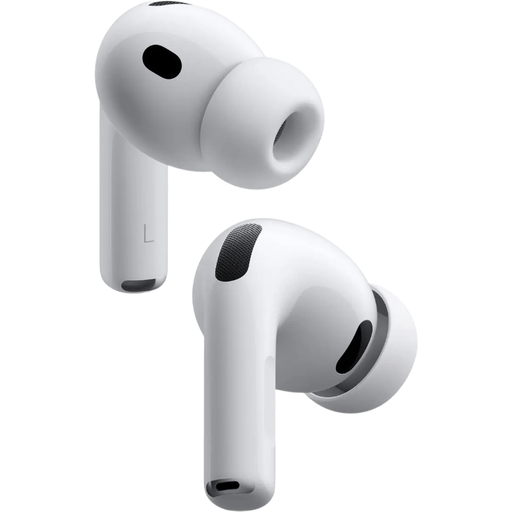
Why it suits this profile: A good fit for anyone looking for compact wireless earbuds with active noise cancellation, spatial audio and a choice of ear tip sizes.
You’re not limited to one size: five sizes of silicone ear tips are included according to the product information. Stated battery life with ANC is up to 8 hours.
Bluetooth 5.3, active noise cancelling, USB-C and wireless charging, a microphone and an IP57 rating according to the stated specifications.
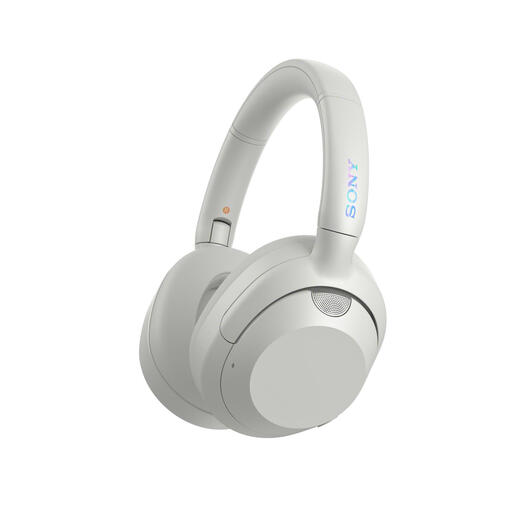
Why it suits this profile: Over-ear headphones for travel and films, and for anyone looking for powerful bass and long battery life.
The specifications state battery life with noise cancelling separately: up to 30 hours. They also list an ambient sound mode and multipoint connection for two devices.
Over-ear design, USB-C, 3.5mm jack, foldable construction, active noise cancellation and compatibility with iOS and Android.
We’ve put together a complete, up-to-date list of products that meet these strict selection criteria and current European safety regulations.
Yes, Bluetooth models can usually be paired with both platforms. However, specific features such as automatic switching, spatial audio or voice control may depend on the operating system and the app you’re using. Check the compatibility information for each product.
Battery life per charge varies by model and settings. ANC, volume, codec and phone calls all affect power consumption. Check both battery life with noise cancelling and the total capacity of a charging case. The headphones’ overall lifespan also depends on battery wear, maintenance and everyday use.
It depends on your needs. Over-ear headphones can be handy for long journeys and films, while wireless earbuds take up less space and are easier to carry around. For sport and outdoor use, pay particular attention to fit, weight, awareness of your surroundings and the stated IP rating.
