
Vandaag of morgen in huis

Kwaliteit gegarandeerd

Welkomstaanbiedingen ontgrendelen: GRATIS bezorging | Tot 80% korting | Gratis 30 dagen JoyPlus-proefperiode
Download de app
Wireless headphones with noise cancellation can be a real pleasure on the train, at the office or during a long flight. However, a high battery life or striking noise-cancellation claim does not tell you everything. The real difference often comes down to comfort, microphone quality, fit and performance when active noise cancellation is switched on.
As a Joybuy Product Recommendation Officer, I mainly filter products based on verifiable specifications. This helps you see which features are genuinely relevant to your situation and which marketing claims should be treated with some caution.
Manufacturers often state battery life under ideal conditions, for example with ANC switched off and at a moderate volume. In practice, Bluetooth headphones may not last as long when active noise cancellation, multipoint or high audio quality is enabled.
So pay attention to these values:
A claim such as “up to -45 dB” sounds clear, but the result depends on the frequency, fit and surroundings. Low, constant sounds such as train engines are generally easier to suppress than voices or sudden noises.
According to Baseus’s product description, the EH10 NC can reduce background noise by up to -45 dB. Edifier’s product information states that the Atom Max offers up to -44 dB noise cancellation. Treat such figures as product specifications measured under certain conditions, not as a guarantee that every sound will disappear.
Heavy over-ear headphones can start to feel warm after several hours. With wireless earbuds, using the wrong ear tip size can result in a poorer seal and an unstable fit. Clip-on earbuds and open-ear models often provide greater awareness of your surroundings, but block out less sound than an in-ear model with a good seal.
Active noise cancellation, also known as ANC, uses microphones and electronics to counteract environmental noise. Check whether the model also has a transparency or ambient mode. This feature is useful when you want to hear an announcement or have a quick conversation without taking your headphones off.
A closed over-ear design also provides passive sound isolation. With noise-cancelling earbuds, the fit is at least as important as the software-based noise reduction.
For everyday listening, SBC and AAC are generally sufficient. If you are looking for Hi-Res audio headphones, check whether the model supports LDAC or a wired USB-C connection. Make sure your smartphone and streaming service support the codec you choose. A codec alone does not guarantee a better listening experience; the drivers, tuning and fit also matter.
Headphones with a microphone are not automatically suitable for busy meeting locations. Look at the number of microphones and check the description for wind or environmental noise reduction during calls. Your surroundings remain decisive. If possible, test whether your voice comes across clearly outdoors or in a noisy room.
IPX4 means protection against splashes and sweat, while IPX5 provides protection against water jets. IPX7 is intended for temporary immersion under the conditions specified by the standard. None of these ratings means that you can use the product without restrictions in a swimming pool, shower or heavy rain.
For exercise, sports earbuds with ear hooks or a secure fit are often more practical. Water-resistant headphones should still be dried after exercise before being placed in the charging case.
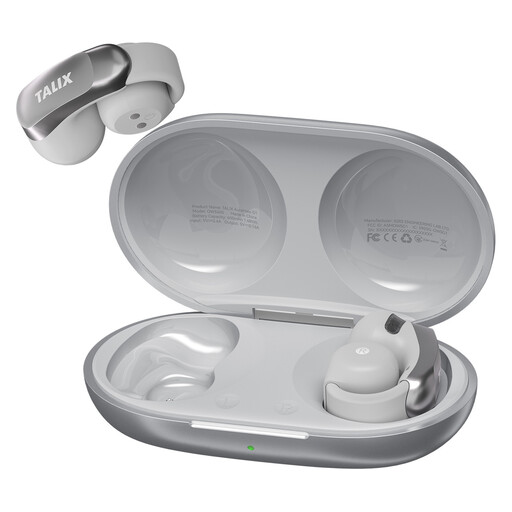
Why it suits this profile: The clip-on fit and weight of 5.2 grams per earbud are designed for everyday use, commuting and light sporting activities.
The specifications state 7 hours per charge and 28 hours with the case. This makes the battery life clearer than quoting a total figure alone.
Bluetooth 5.3, four microphones, IPX4 and up to 2 hours of playback after 10 minutes of charging, according to the product information.

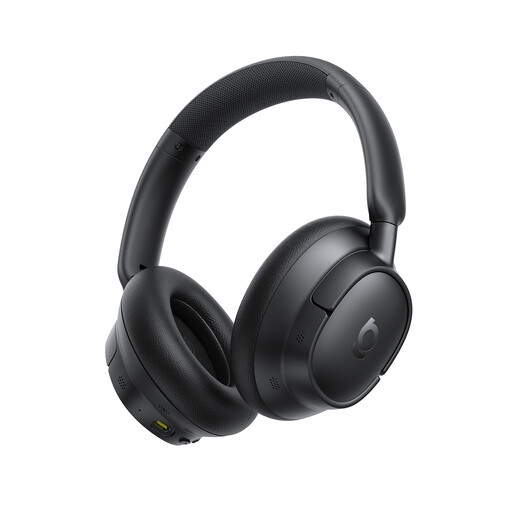
Why it suits this profile: These over-ear headphones are aimed at listeners who value comfort, adjustable sound and long listening sessions.
The information lists adaptive ANC, a transparency mode and battery life of up to 60 hours separately. According to the warning, the headphones are not water-resistant.
42mm transducers, an app with equaliser, four microphones and a supplied 3.5mm cable, according to the product specifications.
Why it suits this profile: Suitable for travellers, home workers and users who want to combine long battery life with ANC and wireless listening.
The product description gives separate figures for ANC on and off: 55 and 80 hours respectively. Check the product page to see which conditions apply to these figures.
LDAC, Hi-Res audio, five microphones, USB-C fast charging and a foldable over-ear design, according to the manufacturer’s listing.
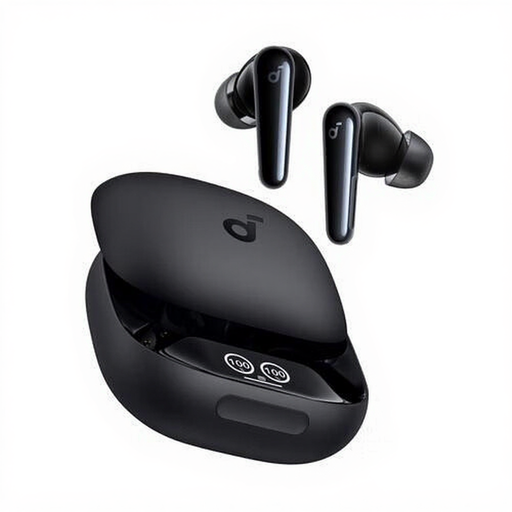
Why it suits this profile: These TWS earbuds are designed for calls, music, everyday use and sports where splash resistance is desirable.
The IPX5 rating is more specific than a general term such as “waterproof”. The earbuds are not intended for immersion.
Up to 10 hours of playback, six microphones, touch controls, extra ear tips and a USB-C charging case, according to the product specifications.
We have put together a complete, up-to-date list of products that fully meet these strict selection criteria and the applicable European safety regulations.
Use these points before ordering ANC headphones, Bluetooth headphones or wireless earbuds:
Also take care of your hearing. Do not listen at high volume for prolonged periods and take breaks during long listening sessions. Do not use headphones while cycling, driving or in other situations where you need to remain aware of your surroundings.
They can be, particularly when the model has multiple microphones, a transparency mode and multipoint connectivity. Check whether your computer and phone can remain connected at the same time. ANC reduces environmental noise, but does not automatically remove voices or every sound in the home.
This varies by model and settings. According to the product specifications, an over-ear model may offer between approximately 30 and 80 hours, while wireless earbuds often provide several hours per charge and are then recharged via the charging case. ANC, volume, codec and phone calls all affect battery life.
The main recurring costs are usually limited to electricity and any replacement ear cushions or ear tips. A charging case or USB-C cable may wear out over time. Also check the warranty terms, availability of accessories and expected battery performance before making a purchase.
