
Listener at a shared table
You want to follow spoken Dutch without disturbing the people you’re sharing a table with. The Consumentenbond and VeiligheidNL cover aspects such as speech, fit and sound leakage.


Well-fitting, noise-isolating over-ear or in-ear headphones are a good choice if you want to follow Dutch museum stories without disturbing the people you’re sharing a table with. If you want to stay aware of people around you, look for an ambient mode or consider open-ear headphones. These let in more outside sound and may also let audio carry to others at a quiet table. Check how the museum offers its tour in advance, and whether your phone can connect to the headphones.
You want to follow spoken Dutch without disturbing the people you’re sharing a table with. The Consumentenbond and VeiligheidNL cover aspects such as speech, fit and sound leakage.
You follow a tour on your own phone and want to hear people or directions around you along the way. Wereldmuseum Amsterdam describes a tour accessed via a mobile phone, while the Rijksmuseum offers tours through an app. Check how your museum provides its tour.
If you’ll be using your headphones regularly, you’ll want to prioritise comfort, easy pairing and enough battery life for your listening sessions. The Consumentenbond considers comfort and ease of connecting, among other factors, when assessing headphones.
Choose this option if: you want to follow speech at a table and hear people in the museum or during a discussion.
The trade-off: over-ear headphones take up more room in your bag. ANC doesn’t guarantee that a particular model will block out conversations.
Choose this option if: compactness matters and the earbuds fit comfortably in your ears.
The trade-off: fit varies from person to person, and a smaller battery may be a limitation during longer sessions.
Choose this option if: hearing people and directions around you matters more than blocking out your surroundings.
The trade-off: the open design lets in ambient sound, and people sharing a quiet space may hear your audio.
The final column links each priority to consumers looking for headphones for both museum audio and a shared study table.
| What to consider | What should you look for when buying? | Who is this for? |
|---|---|---|
| Following spoken Dutch | Listen to a speech sample and assess the fit and how speech sounds. Don’t assume speech will be clear just because the bass is described as powerful. | I want to follow Dutch museum stories clearly. Around 29% of consumers in this situation put speech clarity first. |
| Not disturbing others at the table | At your usual listening volume, check whether someone sitting next to you can hear the audio. Also make sure a noise-isolating fit remains comfortable. | At a quiet study table, I want to make sure the person next to me can’t hear my audio. Around 29% of consumers prioritise not disturbing others at the table. |
| Staying aware of ambient sound | Try the ambient mode and controls, and see whether you can still respond to people at a low listening volume. An ambient mode isn’t the same as an open design. | At the museum, I want to keep hearing people and directions around me. Around 24% of consumers prioritise staying aware of their surroundings. |
| Comfort, connection and battery life | Try the fit, including with glasses, pair the headphones with your phone in advance and compare battery life using the same settings. | When switching between museum visits and studying, I want comfortable headphones that suit my listening sessions. Around 18% of consumers prioritise comfort and regular use. |
An ANC label doesn’t tell you how many conversations a particular model will block out or how much sound will leak to other people at the table.
Assess speech, fit and sound leakage separately from the ANC setting.
Open-ear headphones let in ambient sound, but in a quiet shared space other people may also hear audio from the headphones, especially at a higher volume.
Test the model beside someone at a table, using your usual volume.
Claimed battery life can vary depending on whether you use ANC. Sony quotes up to 35 hours for the WH-CH720N with NC on and 50 hours with NC off. JBL quotes up to 70 hours for the Tune 770NC with ANC off and up to 44 hours in another use mode.
Compare battery life using the same ANC setting, and bear in mind that actual battery life may vary.
Sony lists a programme for potential cracking on certain ULT WEAR units. Eligibility depends on the serial number and applicable terms. Sony says the programme runs until 31 January 2027.
If you’re considering ULT WEAR headphones, check the model and serial number with Sony. The programme doesn’t automatically cover every unit and is separate from your rights against the seller.
The WH-CH720N is a noise-isolating over-ear model with an ambient mode. ULT WEAR is a separate range with a greater focus on bass.
The Tune 770NC and Tune 780NC are separate foldable over-ear models with ANC and ambient sound modes.
The ACCENTUM Plus Wireless is a noise-isolating over-ear model with touch controls and adaptive hybrid ANC.
The OpenFit 2 series offers an open-ear option for anyone who wants to keep their ears open to their surroundings.
These product picks include wireless in-ear and over-ear headphones for listening on your own device. Check with each museum whether the tour is available on your phone, and try the fit and speech quality where possible.
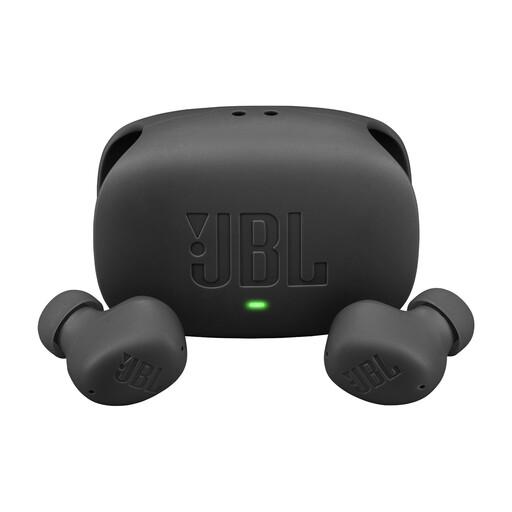 No image available
A compact in-ear option to consider if you switch between devices; the product information lists multipoint connectivity for two devices.
ANC and Smart Ambient are listed. The claimed total playback time is up to 40 hours with ANC off.
 No image available
An over-ear option to consider if you want to switch between noise cancellation and ambient sound while listening.
The product information lists Adaptive Noise Cancellation, Transparency Mode and up to 60 hours of playback.
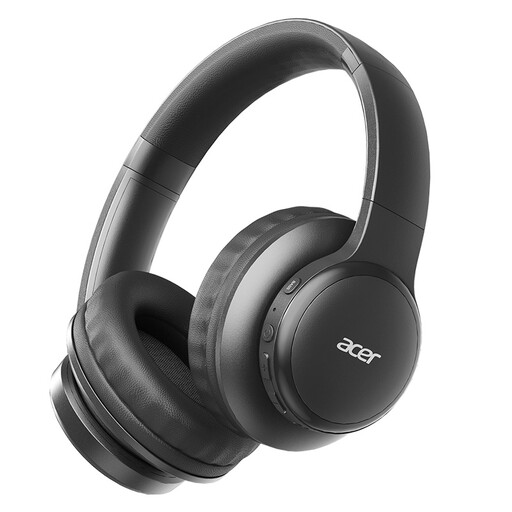 No image available
A foldable model to consider if you want headphones to take along for a tour played through a Bluetooth device.
The product title lists Bluetooth 5.3 and a foldable design.
 No image available
A true wireless in-ear option to consider if you want to explore ANC and an ambient sound mode.
The product information lists active noise cancellation and Transparency Mode.
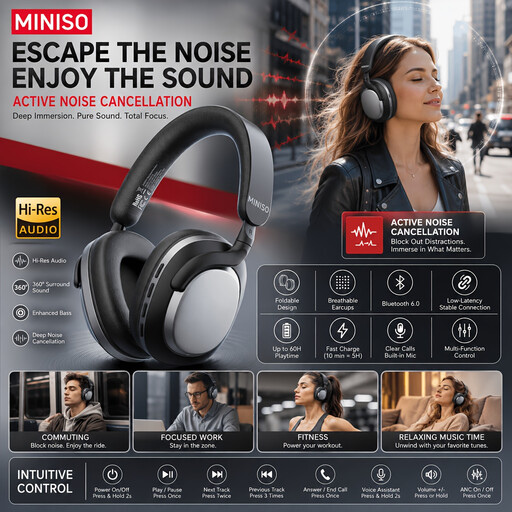 No image available
A wireless over-ear option to consider for listening at a shared table. Check for yourself how speech sounds and whether other people can hear your audio.
The product title lists noise cancelling and 24 hours of battery life.
No. Check the information for the specific tour. Wereldmuseum Amsterdam describes using a phone and recommends bringing your own earbuds or headphones; the Rijksmuseum describes audio tours in its app. This doesn’t tell you whether every museum’s loaned device supports Bluetooth.
First, check the fit and try a well-sealing model if background noise is a problem. The World Health Organization advises keeping the volume low, for example no higher than 60% of the maximum. This is listening advice, not a legal product requirement.
Pair the headphones with your phone in advance, try the speech playback and ambient mode controls, and check the battery level. The Consumentenbond considers speech, ease of connecting, comfort and battery life, among other factors, when assessing headphones. The maximum battery life quoted doesn’t automatically apply when using ANC.
For an eligible online consumer purchase, the Dutch government generally allows a 14-day cooling-off period; check the terms of your specific purchase. Separate from any manufacturer’s warranty, ACM ConsuWijzer says you’re entitled to a product that, with normal use, meets what you could reasonably expect. If a product is faulty, the seller must offer an appropriate solution free of charge.