First, check whether the Dutch-language tour plays on your own phone or on a museum device. A loan device won’t automatically work with your Bluetooth headphones. If conversations drown out the narrator, a well-fitting, noise-isolating pair may be a better choice; if staying in touch with your group matters most, open-ear headphones may suit you better. Test how clear the speech sounds at a comfortable, moderate volume, and check the fit.
Who is this relevant to?
Visitors who find it hard to hear the narrator
You want to follow the spoken commentary while other people are talking in the gallery. A snug, noise-isolating fit may matter more to you than an open design. VeiligheidNL and the Consumentenbond explain how a close fit can reduce background noise; test for yourself whether the speech remains clear.
Visitors exploring together
You’re listening individually, but also want to hear your group and what’s happening around you. Open-ear headphones or a pair with an ambient sound mode may suit your preferences; check the fit and controls.
Visitors using a tour on their own phone
You want to listen to the tour on your own device without relying on a particular museum system. Museums may offer different ways to play the tour, so check whether it works on your phone and what connection you’ll need.
What should you look for when choosing?
First, check how the tour is played. Then choose according to what matters most to you: hearing the speech clearly, staying connected to others, making a connection or wearing comfort.
| What to consider |
What to look for |
Who is this most important to? |
| Hearing the speech clearly |
Fit and noise isolation; test spoken audio at a moderate volume. |
If conversations drown out the narrator, I want to follow the speech without constantly turning up the volume. Around 40% of consumers put speech clarity first. |
| Staying in touch with others |
Compare open-ear headphones with a model that lets you switch on ambient sound mode. |
If I’m walking around with a group, I want to be able to talk to them while I listen. Around 30% of consumers prioritise staying aware of their surroundings. |
| Playback method |
Ask which device plays the tour and whether it supports Bluetooth audio. |
If the tour plays through a museum device, I want to know whether my headphones will work with it. Around 20% of consumers put connectivity at the top of their buying concerns. |
| Wearing comfort |
If possible, try the headband or ear hooks and see whether the headphones feel comfortable. |
If I’m listening for a long time during a visit, I want a fit that remains comfortable for me. Around 10% of consumers put wearing comfort first. |
How to avoid common buying mistakes
-
Assuming a museum loan device works with Bluetooth
Museums may offer different ways to play the tour. A socket for your own headphones doesn’t necessarily mean the device supports wireless Bluetooth audio.
Before your visit, ask which device plays the tour and what audio connections it supports.
The wireless headphones you bring may not work with that particular tour.
-
Choosing open-ear headphones and expecting them to block out conversations in the gallery
An open design lets sound from the room through, including conversations that may drown out the narrator.
Decide whether staying aware of your surroundings or blocking out noise matters more to you, and test the spoken audio at a moderate volume.
-
Confusing an extended warranty with your statutory rights
A manufacturer’s warranty or additional cover doesn’t replace your statutory rights. The Rijksoverheid notes that additional cover is only worthwhile if it offers something beyond those rights.
Compare the terms of any extra cover with your statutory rights before paying for it.
Brands to consider
Sony
According to Sony Netherlands, the WH-CH720N is an over-ear model with an ambient sound mode.
- This mode may be useful if you want to stay in touch with others from time to time while listening.
- The feature doesn’t show how clearly Dutch-language museum commentary can be heard in a busy gallery.
Shokz
Shokz Netherlands describes the OpenFit Air as an open-ear model with ear hooks.
- The open design suits people who want to remain aware of their surroundings while listening.
- The open design won’t block out conversations in the gallery; check that the ear hooks feel comfortable.
Philips
According to Philips Netherlands, the TAA6709BK/00 is a wireless open-ear model with ear hooks.
- The open design lets in ambient sound, which may suit you if staying in touch with others is important.
- That doesn’t make it a proven solution for speech being drowned out by conversations in the gallery.
JBL
According to JBL Netherlands, the Tune 770NC is a foldable over-ear model with noise cancellation.
- JBL lists a foldable design and battery life of up to 70 hours for this model.
- The stated maximum battery life doesn’t tell you how long the headphones will last during a museum visit or how clearly you’ll hear the tour.
Wireless headphones on Joybuy
These models are designed for listening to spoken audio wirelessly, with options for a noise-isolating over-ear design or staying aware of your surroundings.
 No image available
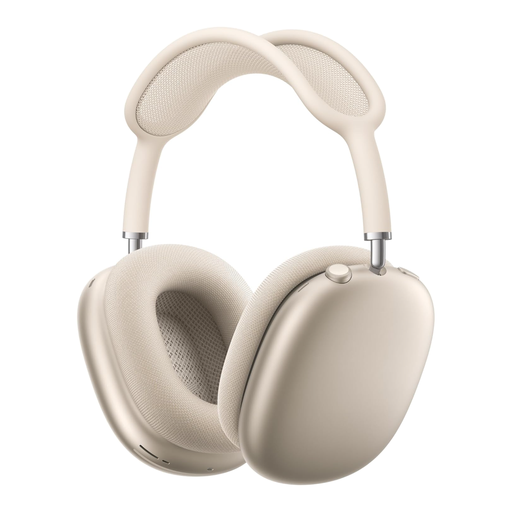
AirPods Max 2 – Starlight
An over-ear option for anyone looking for isolation when listening to spoken audio; consider how you want to stay aware of your surroundings.
Joybuy
 No image available
Sennheiser MOMENTUM 4 Wireless
A wireless over-ear option for listening to spoken audio while also taking your awareness of your surroundings into account.
Noise cancellation; battery life of up to 60 hours; fast charging; 4 microphones.
Joybuy
 No image available
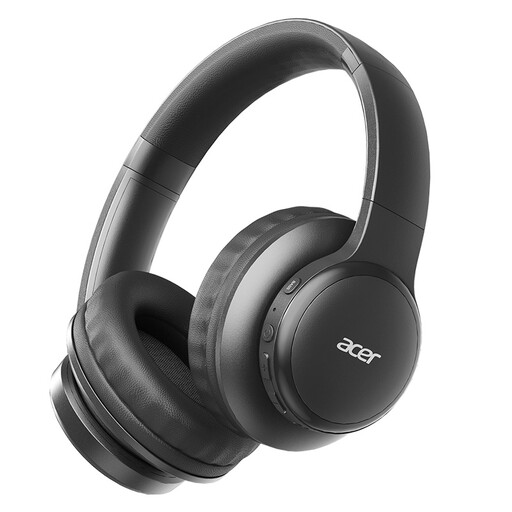
Acer OHR559 OWS
A wireless option to take with you when playing the tour on your own device; check Bluetooth pairing in advance.
Bluetooth 5.3; foldable design; USB Type-C charging port.
Joybuy
 No image available
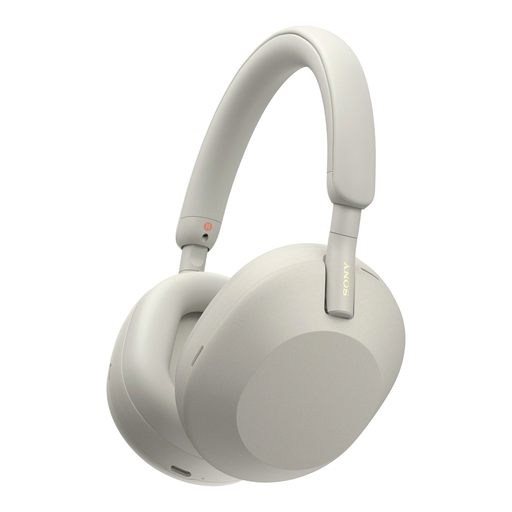
Sony WH-1000XM5 – Silver
A wireless over-ear model for listening to spoken audio with noise cancellation; check whether the controls suit your preference for chatting from time to time.
Noise cancellation.
Joybuy
 No image available
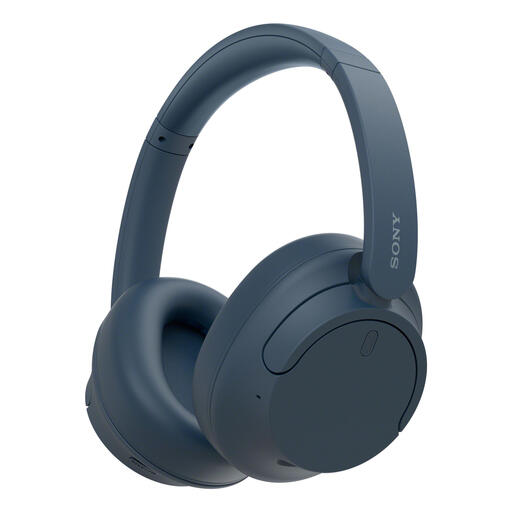
Sony WH-CH720N – Blue
An over-ear option for anyone who wants to take conversations in the gallery into account and hear ambient sounds from time to time. Sony lists an ambient sound mode for this model.
Wireless Bluetooth headphones with noise cancellation; battery life of up to 35 hours; fast charging.
Joybuy
Frequently asked questions
Can I use my own Bluetooth headphones for every museum tour?
No, you can’t assume that every audio tour will support them. Wereldmuseum Amsterdam describes listening on your own phone or using a loan device; Hof van Nederland also describes different ways to play its tours. Ask the museum which device plays the tour and whether it supports Bluetooth.
What should I check before the tour?
Check which device plays the tour and pair your headphones with that device. Test that you can hear the spoken audio beforehand; if you’re using a museum device, ask what socket or wireless connection is available.
Should I turn up the volume to hear the narrator more clearly?
First, see whether a better-fitting, noise-isolating pair helps you follow the speech. VeiligheidNL explains that a good seal can reduce the need to turn up the volume to overcome background noise.
What product requirements apply to wireless headphones?
Wireless equipment placed on the market in Europe must meet the applicable requirements; compliant equipment carries a CE mark. The Rijksinspectie Digitale Infrastructuur explains this rule for products sold in Europe. Check the mark and relevant information for the specific item you’re buying: a model name alone doesn’t prove that the item complies.
What are my statutory rights when buying online?
If there’s a problem with a product, the seller is your point of contact for your statutory guarantee. The Rijksoverheid also states that online purchases from a business often come with a 14-day cooling-off period; check which terms apply to your purchase.


