
Audio tour listener among chatty visitors
You want to follow the spoken commentary and are looking for a comfortable pair of headphones. Don’t expect ANC to make every nearby conversation disappear.


If you mainly want to follow the commentary while other visitors talk nearby, look for a well-fitting pair of closed-back headphones. If you want to respond easily during the tour, look for a quick way to switch to ambient or conversation mode. Open-ear earbuds let you hear the gallery and your companion, but they also let more background conversation through. Check in advance whether the tour works with your own phone or the museum’s device, and keep the volume at a sensible level.
You want to follow the spoken commentary and are looking for a comfortable pair of headphones. Don’t expect ANC to make every nearby conversation disappear.
You’re listening to the tour but want to chat with your companion or a member of museum staff from time to time. A quick-to-access ambient or conversation mode could be important.
You want to keep hearing the gallery and other visitors, and are happy for an open design to let more background conversation through.
First decide whether clear speech, staying in touch with your group or wearing comfort matters most to you. Then check the controls and how you’ll play the tour.
| What to consider | What should you check? | Who is this important for? |
|---|---|---|
| Hearing the spoken commentary clearly | Fit and seal; listen to a spoken clip and try ANC at a sensible volume. | If I want to follow the tour while other visitors are talking, I prioritise clear speech. Around 36% of consumers say this is their top buying priority. |
| Keeping in touch with others | Check whether you can quickly switch to an ambient or conversation mode; consider open-ear headphones if you want to hear the gallery at all times. | If I want to respond easily to my companion or a member of staff while listening, staying approachable is essential for me. Around 29% of consumers give this their highest priority. |
| Wearing comfort | Try the exact style, including with glasses or other accessories you usually wear; only compare weights when they’re measured on the same basis. | If I want to wear the headphones for a long time during my visit, I focus on how they feel on my ears and head. Around 21% of consumers name wearing comfort as their top priority. |
| Playback and battery life | Check whether the tour works on your phone or the museum’s device, and compare stated battery life with the same ANC setting. | If I mainly want to be sure about connectivity and battery life, I check the requirements in advance. Around 14% of consumers put connectivity and battery life at the top of their list. |
An ANC label doesn’t prove how clearly you’ll hear a spoken tour when people are talking nearby.
Pay attention to fit and seal, too. Try a spoken clip and keep the volume at a sensible level.
An open design keeps your surroundings audible, but that also means you’ll hear more background conversation.
Choose this style if staying approachable matters more to you than blocking out noise.
Stated battery life can vary depending on whether ANC is on or off.
Compare figures on the same basis, and charge your headphones before you set off.
The Sony WH-CH720N is a closed-back, over-ear model with ANC and an ambient sound mode.
The JBL Tune 770NC is a closed-back, foldable over-ear model with ANC, Ambient Aware and TalkThru.
The Space One A3035 is a closed-back, over-ear alternative with ANC and adjustable transparency.
The OpenFit Air T511 has an open-ear design for those who want to keep hearing the gallery and their group.
This selection of products for listening wirelessly during a museum audio tour includes both over-ear and in-ear models. For the model you’re considering, check that its listed features suit your need for noise isolation or awareness of your surroundings.
 No image available
A closed-back, over-ear design could suit you if you want more noise isolation during the tour; check that the fit feels comfortable.
The product name lists Bluetooth, ANC, Transparency Mode, 60-hour battery life and fast charging.
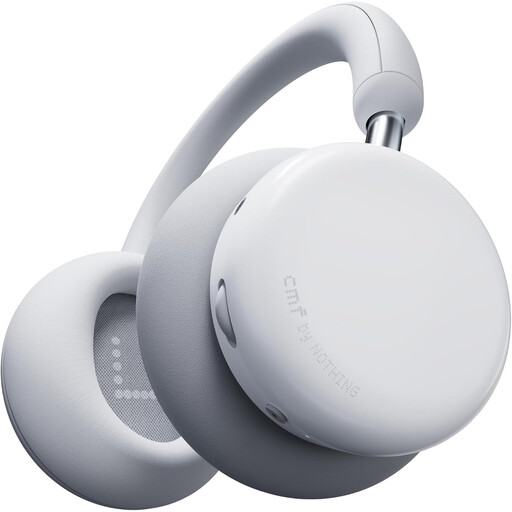 No image available
If you’re considering this model for a spoken tour, check which listening modes and controls it offers, and whether they suit your need for noise isolation or awareness of your surroundings.
 No image available
In-ear headphones are an alternative to over-ear headphones; check that they fit comfortably and suit the way you want to listen to the tour.
The product name lists true wireless, in-ear and Active Noise Cancelling.
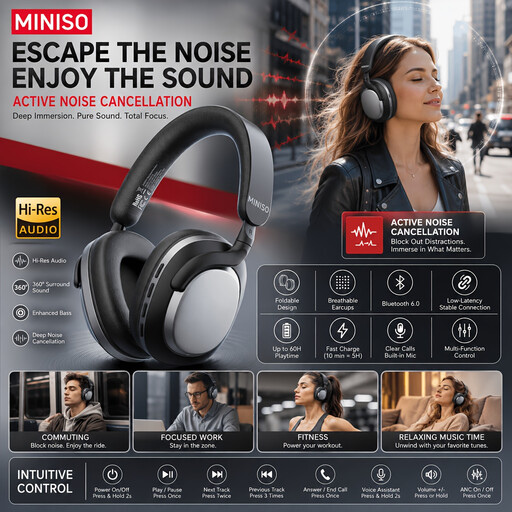 No image available
An over-ear model could suit you if you want more noise isolation during the tour; check the fit and listen at a sensible volume.
The product name lists wireless connectivity, noise cancelling and a stated battery life of 24 hours.
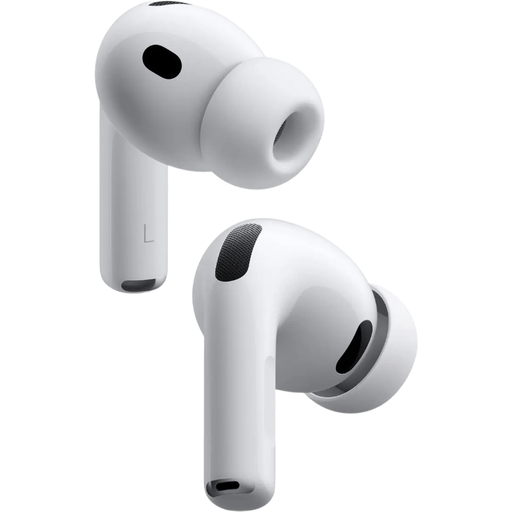 No image available
If you’re considering in-ear earbuds for the tour, check the fit and whether the available listening features suit your preference for noise isolation or awareness of your surroundings.
The product name lists an in-ear design.
No. First check which device the museum uses to play the tour. The Rijksmuseum offers tours in its app and recommends bringing your own headphones; this doesn’t tell you whether a rented device or another museum supports Bluetooth.
Pair your headphones with the device playing the tour in advance, and practise using the controls. JBL describes Ambient Aware and TalkThru for the Tune 770NC; soundcore describes switching between ANC, transparency and normal mode for the Space One. The available modes and controls vary by model.
Don’t automatically turn up the volume; first try adjusting the fit or, if possible, moving somewhere quieter. The World Health Organization recommends well-fitting or noise-cancelling headphones to help limit the tendency to turn up the volume in a noisy environment.
For distance purchases, the Dutch government says you usually have a 14-day cooling-off period. This is separate from your statutory rights if a product doesn’t conform to the contract: the seller must then provide a solution.
Bluetooth headphones covered by EU rules on radio equipment must meet the applicable product requirements, and the manufacturer must affix the CE marking. These requirements apply to equipment covered by those rules; a CE marking alone doesn’t prove that a specific item sold in a shop has been independently checked. Since 28 December 2024, EU rules on a common USB-C charger have also applied to the relevant categories of headphones and earbuds, subject to conditions for equipment with a rechargeable battery that can be charged via a cable.