
Vandaag of morgen in huis

Kwaliteit gegarandeerd

Welkomstaanbiedingen ontgrendelen: GRATIS bezorging | Tot 80% korting | Gratis 30 dagen JoyPlus-proefperiode
Download de app
A great pair of wireless headphones can significantly enhance your daily commute, workout, or workday. But the market is flooded with models that make lofty promises. Many specifications are wrapped in marketing jargon, making it difficult to find a model that truly suits your needs. Before you invest, it's crucial to know what to look for to avoid buyer's remorse.
We often see consumers disappointed by three specific pitfalls:
By understanding these common issues, you can search more effectively for wireless headphones that actually deliver on their promises.
To see through the marketing hype, focus on a few concrete specifications. These will determine whether a pair of headphones is right for your lifestyle.
The form factor is the first and most important choice. Each type has distinct advantages and disadvantages.
Bluetooth earbuds that you place directly into your ear canal. They are ideal for sports and travel due to their small footprint and often provide good passive sound isolation. Models with effective noise cancelling earbuds are perfect for commuters. The fit is essential here; look for models with multiple sizes of ear tips.over-ear headphone is a popular choice for home use, in the office, or for dedicated music lovers.If you're often in noisy environments, active noise cancelling is a valuable feature. ANC uses microphones to analyse ambient sound and produces an opposing sound signal to neutralise it. This works especially well for constant, low-frequency sounds like the rumble of a train, plane, or air conditioning.
A related feature is Aware Mode (also known as Transparency or Ambient mode). This allows you to let ambient sound in with the press of a button. It's useful when you need to hear a station announcement or have a quick chat with a colleague without taking your headphones off.
A headphone with a microphone is standard, but the quality varies enormously. If you frequently make calls or participate in online meetings, look for models with multiple microphones and noise-reduction technology. This ensures your voice comes through clearly, even in a noisy environment.
Also, pay attention to the Bluetooth version (e.g., 5.3) for a stable and energy-efficient connection. Another useful feature is multipoint connectivity, which allows you to connect the headphones to two devices simultaneously, such as your laptop and your phone.
Based on these criteria, we have selected a few models that suit different user profiles.
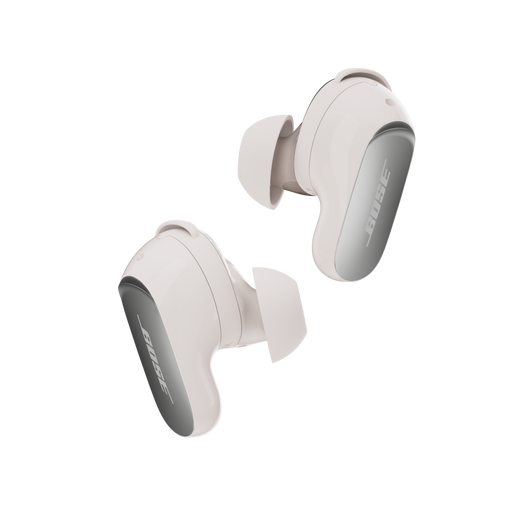
Why This Fits Their Persona: For those who travel daily by public transport or work in an open-plan office, effective noise cancellation is essential. These earbuds provide a quiet environment to focus on work or enjoy music.
This model tackles the 'ineffective noise cancelling' pitfall. According to Bose, it offers one of the most advanced forms of active noise cancellation on the market. The battery life per charge (up to 6 hours) is clearly specified.
The combination of active noise cancelling and Aware Mode is highly effective. The CustomTune technology, which Bose claims adapts the sound to the shape of your ear, provides a personalised listening experience.
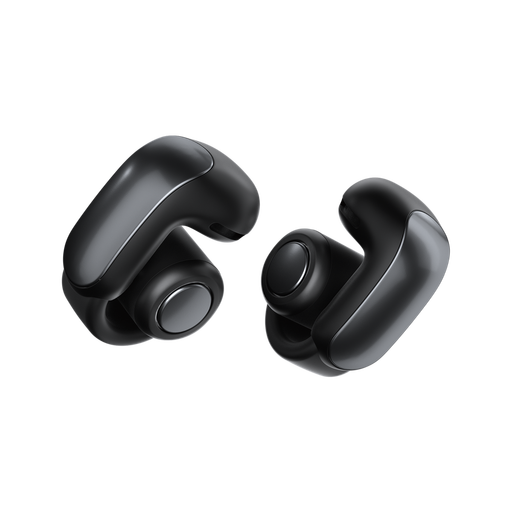
Why This Fits Their Persona: Ideal for runners, cyclists, or hikers who want to listen to music while remaining aware of their surroundings. The fit is designed to stay stable during movement.
This model bypasses the 'irritating fit' pitfall by using an open-ear design that doesn't sit inside the ear canal. This prevents pressure and irritation while keeping you connected to the outside world.
The open-ear design ensures safety and comfort. The IPX4 rating means the earbuds are resistant to sweat and splashes, making them suitable for daily use and sports activities.
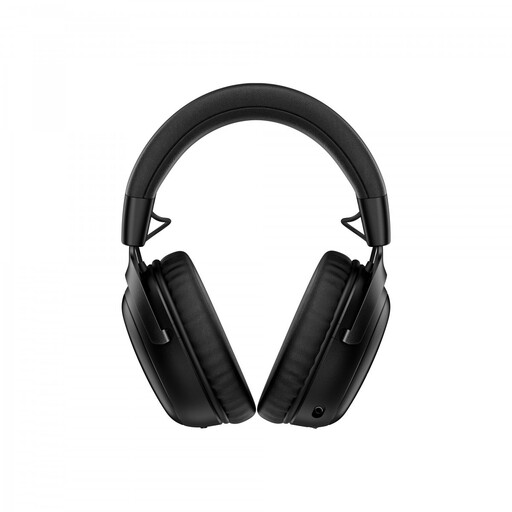
Why This Fits Their Persona: For gamers, low latency (delay), long battery life for marathon sessions, and a clear microphone for team communication are crucial. This `gaming headset` is specifically designed for this purpose.
This model tackles the 'battery life myth' head-on. The specifications state a battery life of up to 120 hours in 2.4GHz mode, an objective and verifiable claim that is far above the market standard.
The dual wireless connectivity (2.4GHz for lag-free gaming and Bluetooth for mobile devices) offers versatility. The detachable 10mm microphone ensures clear communication.
We have compiled a complete, up-to-date list of products that fully meet these strict selection criteria and safety regulations.
The lifespan of wireless headphones depends on two factors: the battery and the build quality. The rechargeable batteries in the earbuds and the case have a limited number of charge cycles, usually between 300 and 500. With daily use, this means battery performance can noticeably decline after 2 to 3 years. Higher-quality models are often built more durably and, if well-maintained, can last 3 to 5 years or longer.
No, active noise cancelling itself is not harmful. The technology produces an 'anti-noise' to cancel out ambient sound, which poses no risk on its own. In fact, it can help protect your hearing, as it allows you to listen to your music or podcast at a lower volume in a noisy environment. The danger always lies in listening at excessively high volumes for prolonged periods, regardless of whether ANC is enabled.
Yes, most modern laptops and many smart TVs have built-in Bluetooth, allowing you to pair wireless headphones directly. For older TVs or devices without Bluetooth, such as a PlayStation or desktop PC, you may need a separate Bluetooth transmitter that you plug into a USB port or audio output. Look for headphones with multipoint connectivity if you want to switch seamlessly between your laptop and phone, for example.
