Start with headphones that feel comfortable and let you pause and replay spoken clips easily when used with your learning app. Then compare noise cancellation and battery life with where you practise. Bluetooth headphones won’t free up storage on your phone. Spotify stores cached data and downloads on the playback device, so check the storage settings in the app you use.
Who is this buying guide for?
If you often replay spoken lessons
You regularly replay short Dutch audio clips and want clear speech, a comfortable fit and controls that work with your learning app. The Consumentenbond assesses sound quality, wearing comfort and ease of connection separately, so try one of your own lesson clips too.
If your phone has limited storage
The free space on your phone determines how many lessons you can save for offline use. Spotify stores cached data and downloads on the device; if you use another learning app, check its storage settings.
If you practise somewhere busy
You’ll need to weigh the sounds around you against staying aware of others and having enough battery life. Some models combine active noise cancellation with an ambient mode, but listening to one of your own spoken clips is the best way to find out which setting works for you.
What should you look for when choosing?
First, check that your learning app lets you play, pause and go back to a clip easily. Then compare the fit, ambient modes and battery life for the place where you practise.
| What to consider |
What to look for |
Who should prioritise this? |
| Speech and replaying |
Try one of your own spoken exercises and check that playback, pausing and going back work smoothly with your headphones, device and learning app. |
If I replay lots of short Dutch clips, I want to follow the words and listen again quickly. Around 29% of consumers prioritise speech clarity and replaying. |
| Storage space |
Check where your learning materials are stored and whether you need them offline; manage downloads and cached data in the app you use. |
When my phone is nearly full, I want to know whether lessons need to be stored offline or can be streamed. Around 23% of consumers give storage space top priority. |
| Fit |
Try the exact model on and check for pressure from the headband and ear cushions, including if you wear glasses while listening. |
For longer practice sessions, I want a model that stays comfortable. Around 18% of consumers put fit and wearing comfort first. |
| Ambient noise |
Compare the same spoken clip with noise cancellation on and off, and try an ambient mode if you want to hear people around you. |
If I practise around housemates or while travelling, I want to balance hearing what’s around me with listening closely. Around 18% of consumers make managing ambient noise their top priority. |
| Battery life and connection |
Compare battery life using the same settings and check that the model can connect to your phone and laptop. |
When I switch between devices or plan long sessions, I want to minimise interruptions for charging or reconnecting. Around 12% of consumers prioritise uninterrupted use and device connectivity. |
Common buying mistakes
-
Expecting Bluetooth headphones to free up storage space
With Spotify, cached data and downloaded files take up space on the playback device. A standard Bluetooth connection won’t remove those files.
First, check whether you need your lessons offline. Then manage downloads and cached data in your learning app, and choose headphones based on listening comfort and controls.
If you replace downloads with streaming, you’ll need a working internet connection and may use mobile data.
-
Assuming an ANC label means clearer speech
Active noise cancellation is a feature, not proof that a particular Dutch spoken clip will sound clearer.
Compare the same clip with noise cancellation on and off. Also check whether you can hear other people when you need to.
-
Comparing maximum battery life without checking the settings
Manufacturers may quote different maximum playback times with noise cancellation on and off, so the figures aren’t directly comparable.
Compare playback time using the same setting and take your own listening preferences into account.
-
Assuming the manufacturer’s warranty marks the end of your statutory rights
According to ACM ConsuWijzer, statutory guarantees in the Netherlands depend on what you can reasonably expect from a product under normal use; there isn’t a fixed two-year period for every pair of headphones.
If a fault develops too soon under normal use, contact the seller and explain how you’ve used the product and what the problem is.
You may not need to pay for an additional remedy yourself if the seller is responsible for providing an appropriate solution free of charge.
Brands to compare for your listening needs
Sony
The WH-CH720N is an over-ear model worth comparing if weight, noise cancellation and an ambient mode matter to you.
- Sony lists the WH-CH720N at around 192 g, with up to 35 hours of playback with noise cancellation on or 50 hours with it off.
- These specifications don’t tell you how a Dutch spoken recording will sound or how comfortable the fit will be for you.
JBL
The Tune 770NC is worth comparing if you want to assess noise cancellation, ambient modes and use with two devices.
- JBL lists ANC, Ambient Aware, TalkThru and multipoint for this model.
- Check that the controls work with your devices and learning app; a description of sound quality isn’t an independent speech test.
Philips
The TAH5209BK/00 is an over-ear model to compare if you want to take fit and quoted playback time into account.
- Philips lists adjustable ear cups and up to 65 hours of playback time.
- The manufacturer’s description of comfort can’t tell you how the model will feel to wear; try it on yourself if possible.
soundcore
The Space One is worth comparing if you’re looking for over-ear headphones with noise cancellation and a transparency mode.
- soundcore lists up to 40 hours with ANC on and 55 hours with ANC off.
- The noise reduction claim is based on a laboratory test described by soundcore, not an independent test using listening exercises.
Sennheiser
The MOMENTUM 4 Wireless is worth comparing if you’re considering adjustable sound, a transparency mode and quoted battery life.
- Sennheiser lists adaptive noise cancellation, a transparency mode and up to 60 hours of playback time.
- These manufacturer’s specifications don’t show that Dutch speech will be easier to understand or that the headphones will feel comfortable for everyone.
Wireless headphones at Joybuy
The options below are wireless over-ear headphones to compare for listening via a phone or laptop. When choosing, also consider the controls, fit and ambient modes that matter for where you practise.
 No image available
Sennheiser MOMENTUM 4 Wireless, black
An option if you want to listen via Bluetooth and use a transparency mode; try one of your own clips to judge how a spoken lesson sounds.
The product description lists up to 60 hours of playback time, adjustable EQ and playback and pause controls.
View at Joybuy
 No image available
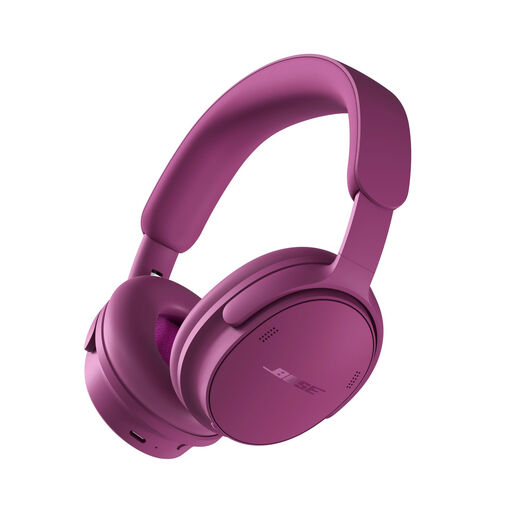
Bose QuietComfort Headphones (2nd Gen), Rosewood Mauve
Worth comparing if you want to switch between noise cancellation and a mode that lets you hear ambient sounds.
The product description lists Quiet Mode, Aware Mode, playback and pause controls, and up to 24 hours of battery life.
View at Joybuy
 No image available
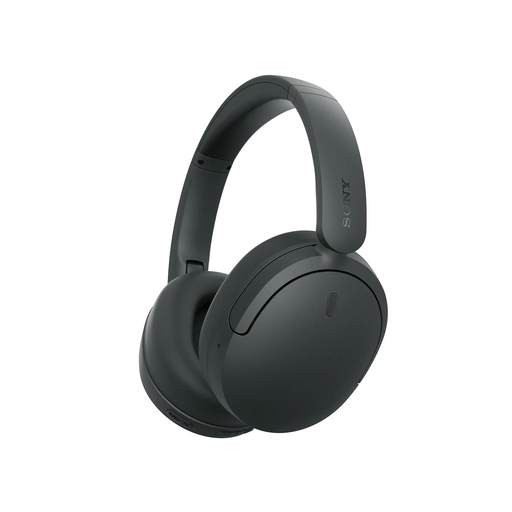
Sony WH-CH730, black
Worth considering if you want to listen via Bluetooth and switch between noise cancellation and ambient sound.
The product description lists multipoint, playback and pause controls, and up to 75 hours of playback without noise cancellation or 50 hours with it on.
View at Joybuy
 No image available
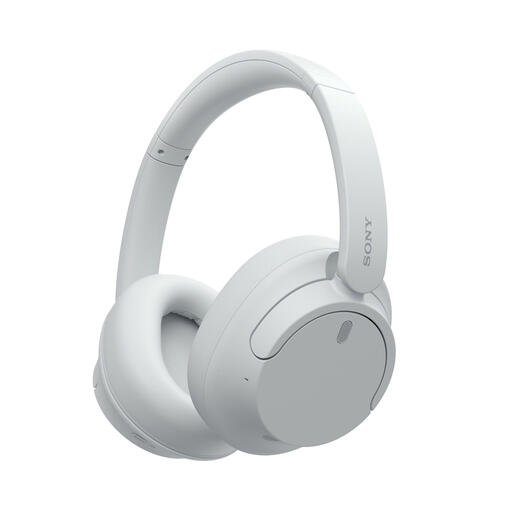
Sony WH-CH720N, white
Worth comparing if you listen via Bluetooth and want to weigh up battery life with noise cancellation on and off.
The product description lists multipoint, a weight of around 192 g, and up to 35 hours with noise cancellation on or 50 hours with it off.
View at Joybuy
 No image available
Sonos Ace, black
Worth considering if playback and pause controls and an ambient sound mode matter to you.
The product description lists Bluetooth, active noise cancellation, Aware Mode, multipoint and up to 30 hours of battery life.
View at Joybuy
Frequently asked questions
Will new Bluetooth headphones give you more room for offline lessons?
No, a standard Bluetooth connection won’t free up storage space. Spotify stores cached data and downloads on the playback device; delete downloads you no longer use or manage the cache in the app. For other learning apps, check their own storage settings.
How can you check whether headphones are suitable for replaying exercises?
Connect the exact model to your phone or laptop and test playback, pausing and returning to the clip you want in your learning app. A button on the headphones or a multipoint feature doesn’t prove that the app supports a particular replay action.
How can you avoid listening at too high a volume when replaying clips?
Keep an eye on both the volume and how long you listen, and take breaks. The WHO gives 80 dB for up to 40 hours per week as an example of safe exposure; the higher the volume, the shorter the safe listening time. This doesn’t prove that a particular pair of headphones automatically limits the volume.
What can you do if headphones break too soon under normal use?
According to ACM ConsuWijzer, the seller in the Netherlands must provide an appropriate solution free of charge if the product doesn’t last as long as you can reasonably expect under normal use. Contact the seller and explain the fault and how you’ve used the product; there isn’t a fixed two-year statutory guarantee period for every pair of headphones.
Can you return headphones bought online if they don’t feel comfortable?
According to ACM ConsuWijzer, online purchases generally come with a statutory cooling-off period of up to 14 days after delivery. Check the relevant exceptions and returns policy before buying. The cooling-off period for a distance purchase is separate from your rights if a product is faulty.


