
Listeners who want to catch every word
You mainly listen to spoken interviews and want to follow voices naturally without constantly turning up the volume. Assess speech reproduction separately from noise cancellation.


Choose well-fitting, closed-back headphones or snug-fitting in-ear headphones, then check at your usual, moderate volume whether anyone else can hear your audio. Noise cancellation can reduce background noise, but it cannot guarantee that voices will be easy to understand or that other library users will hear nothing. The Consumentenbond treats speech reproduction and wearing comfort as separate considerations.
You mainly listen to spoken interviews and want to follow voices naturally without constantly turning up the volume. Assess speech reproduction separately from noise cancellation.
You sit close to other readers and want to make sure they can’t hear your recording. Check whether sound leaks at your usual volume, and follow the rules of your library.
You wear your headphones for extended periods and care more about pressure on your ears or glasses than extra features. Try the fit and compare battery life using the same settings.
Choose these if: you listen to long interviews and have room in your bag; try the fit, including with glasses.
The trade-off: over-ear headphones can be comfortable during long sessions, but take up more space. A closed-back design doesn’t prove that nobody else can hear your audio.
Choose these if: portability is your priority and the earbuds fit you comfortably and create a good seal.
The trade-off: fit and comfort vary from person to person. Compare the earbuds’ own playback time, not just the charging case’s.
Choose these if: it’s important to remain aware of people around you, and you’ve checked on site that others can’t hear your audio.
The trade-off: these designs let in more background noise, so take extra care with volume and sound leakage in a quiet reading room.
| What to consider | What should you look for? | Who is this important to? |
|---|---|---|
| Clear speech | If possible, listen to the same challenging speech clip and compare reviews of the specific models. Keep the volume moderate. | If I want to follow an interview without constantly turning up the volume, I focus on how voices sound. Around 31% of consumers give clear speech their top priority. |
| Not disturbing others | At your intended volume, check whether the person next to you can hear your audio, and consult your library’s rules. | If I’m listening in a quiet reading room, I want to make sure my recording doesn’t reach other visitors. Around 31% of consumers put not disturbing others first. |
| Long-term comfort | Try the fit for as long as practical, including with glasses. Compare battery life using the same ANC setting. | When listening to a long interview, I don’t want uncomfortable pressure on my ears or glasses, so fit matters more than extra features. Around 25% of consumers put wearing comfort first. |
| Remaining available to others | Test pausing and the ambient mode. If you switch between your phone and laptop, check whether the exact model supports multipoint. | If I want to remain available or use two devices, I look at the controls and connectivity. Around 13% of consumers give this need top priority. |
Active noise cancellation is designed to reduce the sounds you hear around you. You need to assess separately whether other library users can hear your audio.
Test for sound leakage at your actual listening volume, and bear in mind the rules of the library where you listen.
Manufacturers’ figures can differ depending on whether noise cancellation is on or off. For example, JBL lists different playback times for the Tune 770NC depending on the setting.
Compare battery life using the same ANC setting, and consider whether you’ll need to recharge during long listening sessions.
The Consumentenbond assesses speech, noise cancellation and wearing comfort separately. A feature listed on the packaging doesn’t tell you how the specific model will sound or how it will fit you.
Try an interview clip and check the fit for yourself, or consult a review of the specific model.
According to the Dutch government, there is no fixed statutory warranty period in the Netherlands; if there’s a problem with a product, the retailer must provide a solution.
Before paying for an extended warranty, compare its terms with the rights you already have.
The WH-CH720N is a pair of closed-back wireless over-ear headphones with an ambient mode. It may be worth considering if you’re weighing up a low stated weight and the option to listen with or without noise cancellation.
The Tune 770NC is an over-ear model with noise cancellation and ambient features. JBL lists a connection to two Bluetooth devices at once, which may be useful if you regularly switch between your phone and laptop.
The ACCENTUM Wireless is a pair of closed-back wireless over-ear headphones with hybrid noise cancellation, a transparency mode and a podcast mode.
This selection features wireless headphones suited to listening to interviews. Compare each model’s fit, relevant features and battery life under the settings you use.
 No image available
The wireless over-ear design is suited to long interviews. Check the fit for yourself and whether anyone else can hear your audio.
The product name lists 60 hours of battery life and fast charging.
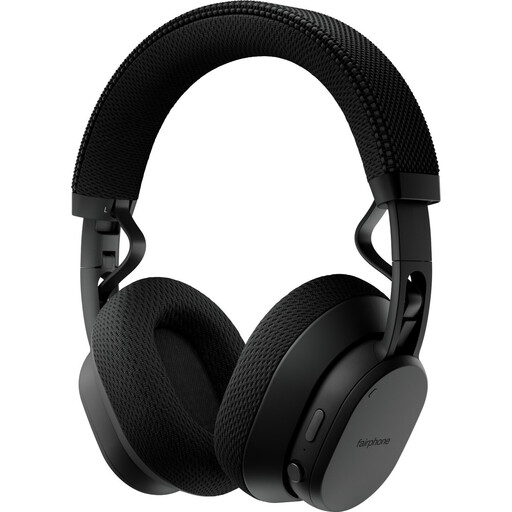 No image available
This closed-back over-ear model is included as an option for longer interviews. Check for yourself how the headband and ear cushions feel.
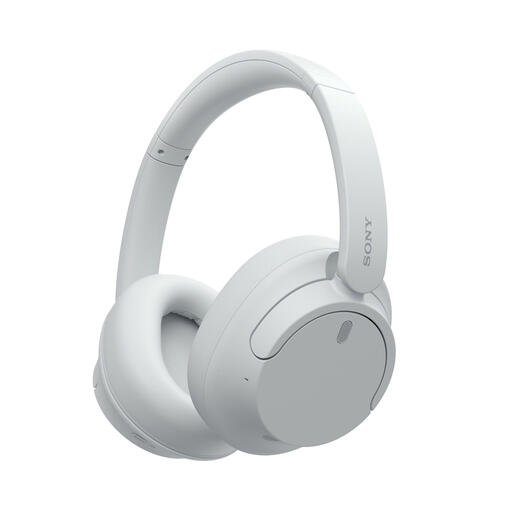 No image available
The closed-back wireless over-ear design is suited to listening to interviews for extended periods. Test comfort and sound leakage at your usual listening volume.
Sony Netherlands lists a weight of around 192 g for the WH-CH720N and up to 35 hours of playback with noise cancellation on, compared with 50 hours with it off.
 No image available
These Bluetooth headphones are an option to compare for wireless listening. Check that the fit is comfortable and that your audio doesn’t reach other people.
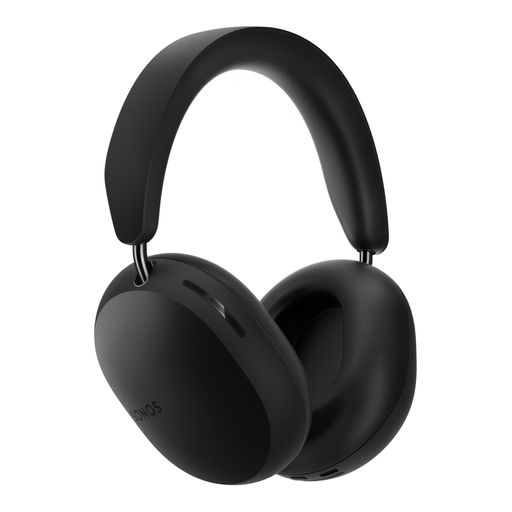 No image available
The over-ear design is worth considering if you want to listen to interviews wirelessly. Check the fit and sound leakage before using it around other library users.
Not necessarily. First, consider speech reproduction, fit and whether other people can hear your audio. Noise cancellation can reduce background noise, but it doesn’t in itself prevent sound leakage. Sony says the feature works best with constant background noise at low to mid-range frequencies.
Pair your headphones with your playback device, test the pause button and start at a low volume. Try an ambient mode if you want to remain available, and only compare battery life using the same noise-cancellation setting. The World Health Organization advises taking both sound level and listening duration into account.
For online purchases from a business, you’ll often have a 14-day cooling-off period; check which terms apply to your purchase. In the Netherlands, products must also be of satisfactory quality, and the retailer is your point of contact if there’s a fault. According to the Dutch government, there is no general fixed Dutch statutory warranty period of two years.
Check the rules of the library you plan to visit, and make sure other visitors can’t hear your audio. Amsterdam Public Library asks visitors not to disturb others with loud conversations or music; this rule doesn’t automatically apply to every library.