
Listening to lectures on a noisy bus
You want to follow the lecturer’s voice without constantly turning up the volume. The Consumentenbond highlights voice clarity and noise cancelling as factors to consider in headphones for studying or working.


Start by considering how clearly voices come through, along with fit and comfort. Then look at ANC, battery life with ANC on, and how quickly you can hear surrounding sounds. Compact in-ear headphones may be easier to carry, while over-ear models offer a different fit. Neither design guarantees that you’ll hear a recording clearly on every coach.
You want to follow the lecturer’s voice without constantly turning up the volume. The Consumentenbond highlights voice clarity and noise cancelling as factors to consider in headphones for studying or working.
You want to listen for a long time without the fit becoming uncomfortable. So compare the style and battery life at the settings you plan to use.
You want to reduce background noise, but still be able to hear your surroundings when an announcement comes on. An easy-to-access ambient mode can be useful.
First compare how clearly speech comes through and whether the fit suits you. Then assess battery life using the same ANC setting, and check whether you can hear surrounding sounds.
| What to consider | What should you check? | Who is this important for? |
|---|---|---|
| Hearing the lecturer clearly | Look for reviews of voice reproduction and noise cancelling for the exact model; if possible, try listening to a spoken recording. | I want to follow spoken explanations over the noise of the bus without constantly turning up the volume; around 29% of consumers prioritise clarity. |
| Comfort during long listening sessions | Compare the style and stated weight; if possible, try the fit for yourself. | I don’t want uncomfortable pressure from a headband or earbuds on a long journey; around 23% of consumers put comfort first. |
| Listening without stopping to recharge | Compare battery life using the same ANC setting and check whether you’ll need to charge before setting off. | I don’t want to rely on charging during the journey; around 18% of consumers prioritise uninterrupted use. |
| Hearing announcements | Check how to switch to ambient sound; keep the volume moderate and take regular breaks from listening. | If an announcement comes on, I want to hear what’s happening around me quickly; around 18% of consumers prioritise being aware of their surroundings while listening. |
| Storing and carrying your headphones | Check whether the model folds and whether its shape will fit in your luggage. | I want to be able to store my headphones easily with the rest of my luggage; around 12% of consumers prioritise portability. |
Manufacturers may state different maximum battery lives for the same model with ANC on and off. These figures aren’t directly comparable if the settings differ.
Compare battery life using the same ANC setting, and treat the figures as stated specifications, not as a measure of your volume or listening material.
ANC can make sounds around you less noticeable. The WHO points out that listening risks depend on both volume and listening time.
Keep the volume low, take breaks, and switch to ambient sound or pause the recording when there’s an announcement.
You have statutory rights even without buying an additional warranty product, according to ACM ConsuWijzer.
First check what the seller must do if a product is faulty, then consider any additional service separately.
The WH-CH720N is a lightweight over-ear option to consider if you’re looking at long listening sessions and ambient mode.
The Space One is an over-ear option to consider when comparing stated battery life and fit.
The Live 780NC is an over-ear option to consider if you’re looking for a foldable design and the ability to connect to multiple devices.
The TAH8000EBK/00 is an over-ear option to consider if you’re looking for a replaceable battery and ambient mode.
This selection includes compact in-ear earbuds and wireless over-ear headphones for listening to lectures on the go. Compare the fit, ANC and stated battery life at the settings you plan to use.
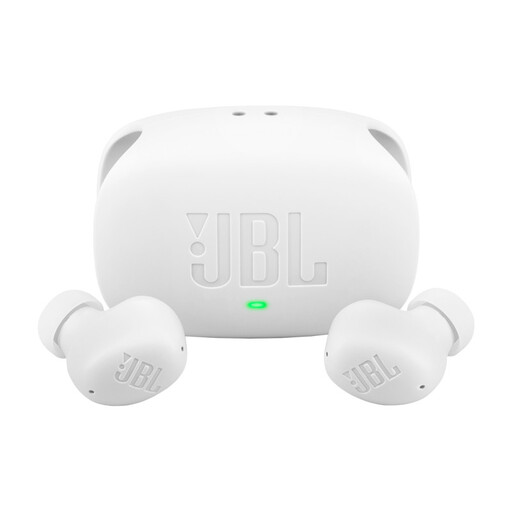 No image available
This compact in-ear design may suit you if you’re short on bag space; check that the seal feels comfortable. The product information lists ANC and Smart Ambient.
The stated battery life of up to 40 hours is with ANC off.
 No image available
This wireless over-ear design is an option if you prefer a headband and ear pads; if possible, try the fit for yourself before a long journey.
The product name states a 60-hour battery life. Don’t compare this figure directly with stated battery life with ANC on.
 No image available
If you’re looking for lightweight over-ear headphones for a long journey, around 192 g is a point of comparison, not a guarantee of comfort. Sony states that this model lasts up to 35 hours with ANC.
Try the fit and listen to a spoken recording before basing your choice on weight or battery life.
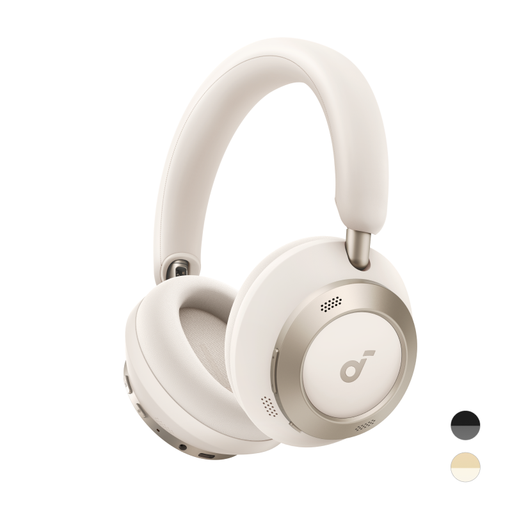 No image available
The product name lists a foldable design and Adaptive Active Noise Cancelling; being foldable may be useful if you want to pack the headphones away between journeys.
The product name states a 60-hour battery life. Only compare this figure with other models using the same ANC settings.
 No image available
These over-ear headphones are an option if you’re looking for Bluetooth and active noise cancelling; check the fit and controls before setting off.
The product information lists a detachable cable with USB-C and 3.5mm connectors. No charger is included; PD fast charging isn’t supported.
Not always. First compare how clearly speech comes through and how well the headphones block out sound. ANC may help you avoid the temptation to listen at a higher volume in a noisy environment. Switch to ambient sound or pause the recording if you want to hear an announcement.
Connect the headphones to your playback device, charge them and try out the volume and switch to ambient sound with a spoken recording. Sony describes ambient mode and multipoint settings for the WH-CH720N; check the features separately for other models.
Keep the volume low enough and take breaks. The WHO gives an average of 80 dB for up to 40 hours per week as an example of safe listening exposure for adults; at 90 dB, it gives four hours per week. These are examples of exposure, not measured sound levels for these headphones.
For an online purchase from a business, you’ll often have 14 days to change your mind, subject to statutory exceptions, according to the Dutch Government. The seller is also responsible for ensuring the product is fit for purpose when used normally. ACM ConsuWijzer explains that your statutory rights don’t depend on buying an additional warranty product.
Bluetooth equipment placed on the market in the Netherlands must meet the applicable European requirements for radio equipment. The Dutch Ondernemersplein explains the Radio Equipment Directive; the applicable rules also require the product to have the necessary CE marking and EU declaration of conformity. Check that the documentation and model designation match the version you’re considering.