What should you look for?
Over-ear headphones with active noise cancellation
Best if: you listen to lectures for hours and want to reduce cabin noise. Compare the noise reduction, speech clarity and fit of the exact model.
Trade-off: over-ear headphones take up more space than earbuds, and noise cancellation won’t make every recording easier to understand.
Wireless in-ear earbuds
Best if: packing space is limited and you find earbuds comfortable for long periods. Try the available ear tip sizes.
Trade-off: check the earbuds’ own battery life; charging them in the case may interrupt your listening session.
Wireless headphones with a wired fallback
Best if: you want to listen on your own device and possibly on a seat-back screen. Check the connections on both audio sources and whether the headphones support the cable you need.
Trade-off: Bluetooth won’t automatically work with every seat-back screen; the cable or adapter you need depends on the aircraft’s equipment.
| What to consider |
What should you check? |
Who is this important for? |
| Clarity at a moderate volume |
Compare speech clarity and noise cancellation separately; try your own recording at a moderate volume. |
I want to follow spoken lectures in a noisy cabin without constantly turning up the volume. Around 33% of consumers prioritise clarity. |
| Comfort during long listening sessions |
Try the model for an extended period; if you’re choosing earbuds, test different ear tip sizes. |
If I’m listening for hours, I want a comfortable fit that doesn’t cause distracting pressure. Around 27% of consumers prioritise comfort. |
| Battery life and connections |
Compare the stated battery life with noise cancellation on; check the connection on your audio source and which cables are included. |
I want to avoid a lecture stopping because the battery has run out or the connection doesn’t fit the source. Around 20% of consumers prioritise uninterrupted playback and connectivity. |
| Packing space and essential features |
Compare the size and storage options with the features you actually need; check the exact version and accessories. |
When space in my bag is limited, I don’t want to use it for features I won’t use. Around 20% of consumers prioritise packing space and avoiding unused extras. |
The World Health Organization recommends well-fitting noise-cancelling headphones to reduce the need to turn up the volume in noisy surroundings. A good fit or noise cancellation doesn’t guarantee that a recording will sound clear, so try them with your own study materials too.
Joybuy products for listening on the go
These picks focus on wireless over-ear headphones with noise cancellation for long listening sessions. Check the battery life, fit and any wired connection for each model.
 No image available
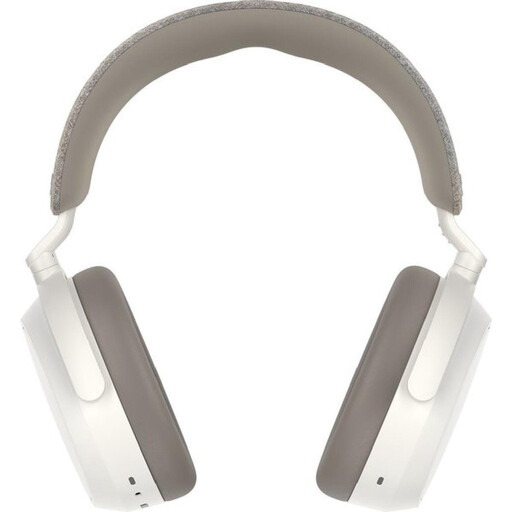
Sennheiser MOMENTUM 4 Wireless
An over-ear option to consider for long listening sessions with noise cancellation.
Sennheiser states up to 60 hours of use; the product information also lists an included 3.5mm cable for wired listening.
View at Joybuy
 No image available
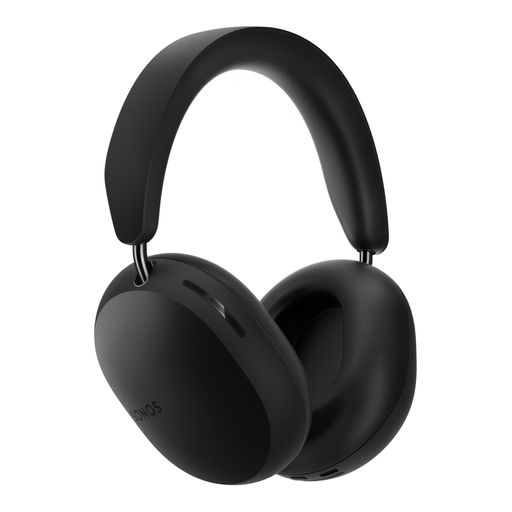
Sonos Ace
A wireless over-ear option to compare if you also want to use a wired audio source.
The product information lists active noise cancellation and up to 30 hours of use with noise cancellation on. USB-C and 3.5mm cables are mentioned; check which connection works with your source.
View at Joybuy
 No image available
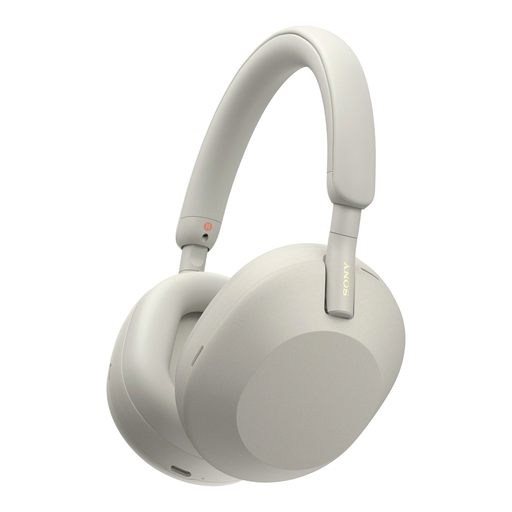
Sony WH-1000XM5
An over-ear model to compare for listening with noise cancellation on a long journey.
The product information states up to 30 hours of use with noise cancellation on. Check that the connections and battery life suit your devices and journey.
View at Joybuy
 No image available
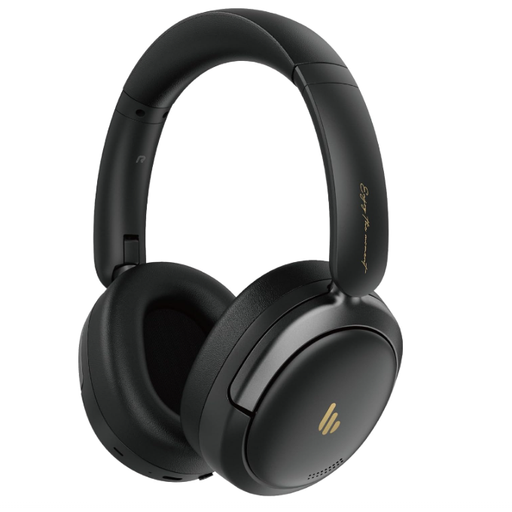
Edifier Atom Max
A foldable over-ear option to compare if you’re considering how much space it’ll take up in your cabin bag.
The product information lists hybrid active noise cancellation, wired USB-C audio and 40 hours of use with noise cancellation on. Check the connection on your audio source.
View at Joybuy
 No image available
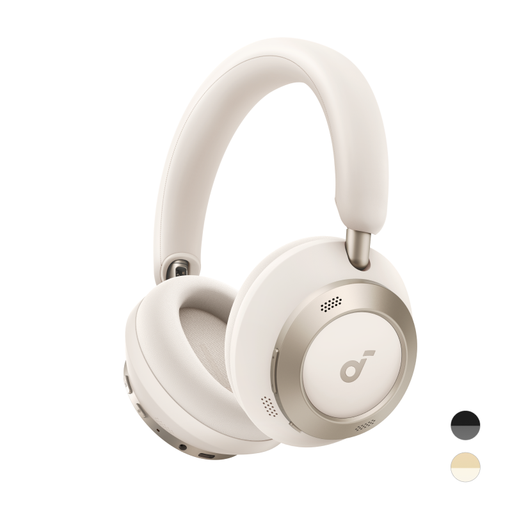
soundcore Space One Pro
A foldable over-ear option to compare for listening on the go with noise cancellation.
The product information states up to 40 hours of use with noise cancellation on. Stated battery life isn’t guaranteed for your settings or journey.
View at Joybuy
Frequently asked questions
Can I listen to lectures over Bluetooth throughout the whole flight?
Not necessarily: follow the crew’s instructions and the rules for your flight. EASA notes that the crew may restrict the use of portable electronic devices; pay attention to the safety demonstration too.
Can I connect my wireless headphones to the seat-back screen?
It depends on the connections available on the seat-back screen and your headphones. KLM recommends using wired headphones or a Bluetooth adapter with your own Bluetooth headphones for its in-flight entertainment system; check your flight’s equipment and the cable you’ll need in advance.
How can I use noise cancellation without missing safety announcements?
Practise pausing your audio or switching to ambient sound beforehand, and follow the crew’s instructions. EASA warns that headphones can make safety announcements harder to hear, particularly during taxiing, take-off and landing.
Should headphones with a battery go in my cabin bag?
EASA recommends carrying portable electronic devices with lithium batteries in your cabin baggage. Separate rules apply to spare batteries and power banks; check your airline’s baggage rules too.
Am I automatically entitled to only a two-year legal guarantee in the Netherlands?
No. According to the Dutch government, there’s no fixed statutory guarantee period in the Netherlands; you’re entitled to a product that works as it should for as long as you could reasonably expect. If there’s a problem, contact the seller.


