
Listening in a quiet space
You want to follow spoken lessons without anyone sitting next to you hearing them. So consider sound leakage and choose a volume at which you can still hear the lesson clearly.


Start with a well-fitting pair of headphones. At a low but clear volume, check whether someone sitting next to you can hear your lesson; noise cancelling won’t prevent sound from leaking out. Closed-back over-ear headphones can be comfortable for long listening sessions, while snug-fitting in-ear headphones are more compact. Also test speech clarity, controls and fit with your own lesson materials.
You want to follow spoken lessons without anyone sitting next to you hearing them. So consider sound leakage and choose a volume at which you can still hear the lesson clearly.
You listen to several lessons in a row and want a comfortable fit, clear speech and enough battery life. The Dutch Consumers’ Association highlights comfort, battery life and ease of connection as factors to consider when choosing headphones.
You may want to hear a member of staff or a public announcement, and need a way to pause your lesson or let in surrounding sounds. Compare the controls and any ambient mode on the exact model you’re considering.
First, choose a fit and level of isolation that feels comfortable. Then check for sound leakage, speech clarity and easy controls using your own lesson materials.
A good fit if: you listen for long periods and find an enclosing fit comfortable.
Bear in mind: they take up more room in your bag, and fit and seal can vary. A closed-back design will generally leak less sound than an open-back one, but it won’t prevent sound escaping altogether.
A good fit if: portability matters and the eartips seal your ear canal comfortably.
Bear in mind: fit and comfort can vary from one pair to another. Try them during a longer lesson and check for sound leakage too.
| What to consider | What should you check? | Who should pay particular attention? |
|---|---|---|
| Sound leakage | Ask someone sitting at a normal distance to listen while you play your lesson at a low volume. | In a quiet reading room, I want to make sure others can’t hear my lesson; around 25% of consumers rank sound leakage as their top priority. |
| Speech clarity | Listen to a familiar lesson recording at a comfortably low volume and try a speech setting if available. | I want to follow spoken words clearly without turning the volume up unnecessarily; around 25% of consumers put speech clarity first. |
| Comfort | If possible, try the headphones for the length of a lesson, wearing glasses too if you use them. | During a long lesson, I don’t want uncomfortable pressure from a headband or eartips; around 20% of consumers name comfort as their top priority. |
| Controls and ambient sound | Check how to pause playback and, if the model has this feature, switch between modes. | If someone speaks to me, I want to pause the lesson quickly and hear what’s going on around me if needed; around 15% of consumers prioritise staying approachable. |
| Battery life and connection | Compare battery life using the same ANC setting and test pairing with your phone or laptop. | For everyday use, I want a good balance of battery life and connection to the device I use for lessons; around 15% of consumers give these practical factors the most weight. |
ANC reduces the noise you hear from outside, but it doesn’t tell you how much of your lesson other people can hear.
As well as checking the ANC feature, consider how well the headphones seal and ask someone sitting at a normal distance to listen while you play audio at your usual low volume.
Claimed battery life can vary depending on whether noise cancelling is switched on or off.
Compare manufacturers’ figures only when the settings match, and bear in mind how you’ll use the headphones.
A manufacturer’s or retailer’s warranty is separate from your statutory rights if a product doesn’t meet reasonable expectations.
Check what your statutory rights cover before considering an extended warranty. According to ACM ConsuWijzer, the retailer remains responsible for a faulty product.
The Tune 770NC is a closed-back over-ear model worth comparing if ANC, an ambient mode and connection to two devices matter to you.
The ACCENTUM Wireless is an over-ear option to try with your own lesson materials if adjustable speech playback and long listening sessions matter to you.
The WH-CH720N and WH-1000XM6 are two different over-ear models; assess each one separately for fit and sound leakage.
These Joybuy picks are aimed at wireless listening to language lessons. Compare the fit, controls and stated features with your own lesson materials.
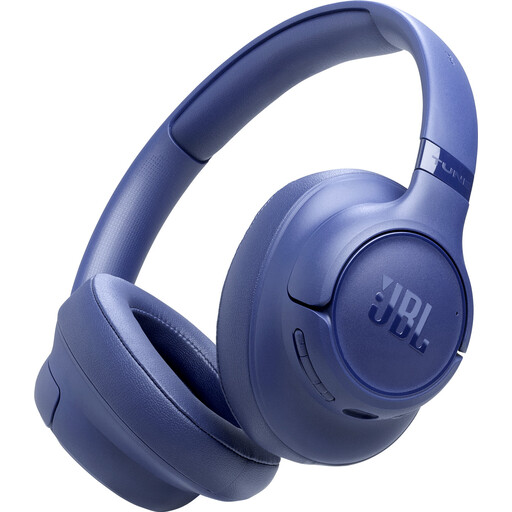 Image unavailable
This model could suit you if you’re looking for wireless headphones. Check the fit, controls and audible sound leakage with your own lesson materials.
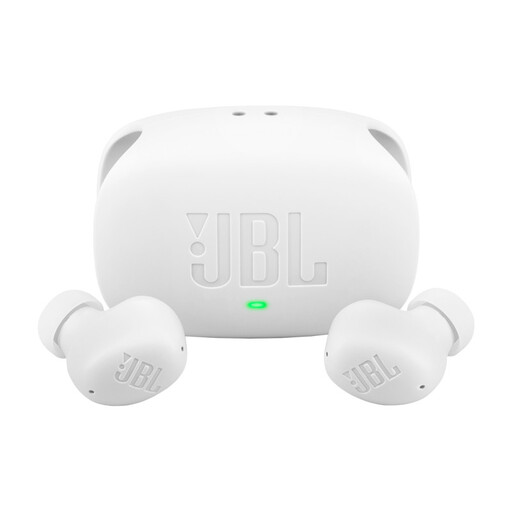 Image unavailable
These earbuds could suit you if you’re looking for a compact option. Check that the fit remains comfortable and you can hear your lesson clearly at a low volume.
 Image unavailable
This over-ear model could suit you if you’re looking for wireless headphones. Try the fit and speech playback with one of your own lesson recordings.
The product title states 60 hours of battery life and fast charging; check which usage settings the battery life applies to.
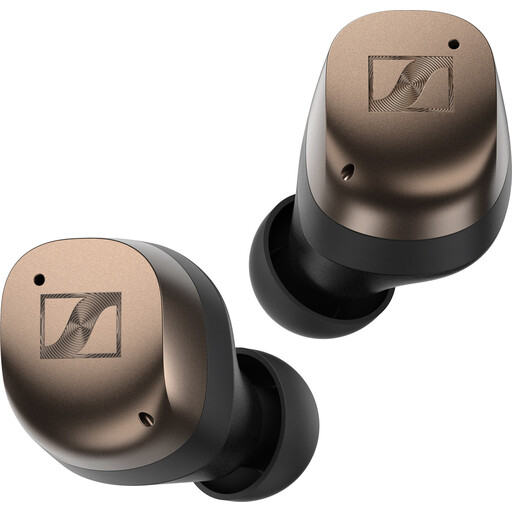 Image unavailable
This model could suit you if you’re looking for wireless in-ear headphones. Try them for the length of a lesson and check that you find the controls easy to use.
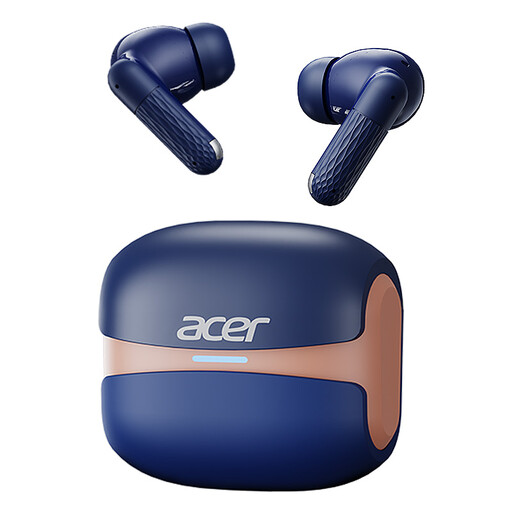 Image unavailable
These wireless in-ear headphones could suit you if you’re looking for a compact option. Check the fit and controls before using them for a long lesson.
The product name lists Bluetooth 5.4 and a Type-C charging case.
No. ANC reduces the noise you hear from outside, but it doesn’t determine how much sound from your lesson leaks out. Check the seal too, and ask someone sitting at a normal distance to listen while you play audio at a low volume.
Start at a low volume and adjust the fit or ANC if needed. The World Health Organization recommends keeping the volume to no more than 60% of the maximum; noise cancelling is no reason to listen louder.
For a consumer purchase made online in the Netherlands, you generally have a 14-day cooling-off period after delivery, subject to exceptions and conditions. ACM ConsuWijzer explains this period; check the retailer’s returns information too.
No. According to ACM ConsuWijzer, your statutory rights are separate from a manufacturer’s or retailer’s warranty. If a product breaks sooner than you could reasonably expect under normal use, the retailer is responsible for providing an appropriate solution.
Radio equipment must meet the applicable European requirements. The Dutch Authority for Digital Infrastructure states that such products must have the correct CE marking before they can be sold; a statement on a product page doesn’t by itself confirm that the item you receive complies.