
Detail-focused listener
You replay difficult Dutch speech several times and want to test speech clarity and pause controls with a clip of your own. The Consumentenbond also uses speech clips when testing headphones.


Choose headphones that let you comfortably replay and pause a difficult-to-understand clip. A long battery life or boosted bass doesn’t mean you’ll hear the words more clearly. If you often listen in noisy places, compare the fit and noise cancelling. If you spend long periods at a computer, consider comfort too, and check that your playback device has a suitable wired connection. The Consumentenbond assesses speech, controls, noise cancelling and comfort separately, but doesn’t provide a model-specific ranking for recording interviews in the Netherlands.
You replay difficult Dutch speech several times and want to test speech clarity and pause controls with a clip of your own. The Consumentenbond also uses speech clips when testing headphones.
You regularly work in places where background noise is distracting and want to compare the fit and noise cancelling in those conditions.
You review longer recordings at a computer and focus on comfort, battery life and compatibility with your playback device. The Consumentenbond generally recommends a headband when you listen sitting down.
Start with your own recording and playback device, then compare your listening environment, comfort and any wired options you need for your work.
| What to consider | What should you check? | Who should prioritise this? |
|---|---|---|
| Speech and repeated playback | Test a difficult clip with the headphones and your own player. Check that you can pause, resume and go back through the file. | I want to replay Dutch speech without the controls interrupting my work. Around 36% of consumers prioritise speech playback and repeated listening. |
| A quieter listening environment | Compare the same clip with noise cancelling switched on and off. Try an ambient mode too if you need to remain aware of people around you. | If background noise distracts me, I want to see how noise cancelling works in my listening environment. Around 29% of consumers prioritise reducing distractions when choosing what to buy. |
| Comfort and battery life | Try the headphones during a typical listening session. Compare battery life using the same setting, for example with noise cancelling switched on. | During long sessions at my computer, I want my headphones to stay comfortable and not run out of charge unexpectedly. Around 21% of consumers prioritise comfort and battery life. |
| Connections and a backup option | Test Bluetooth with your own player. For wired listening, check the connections and whether the required cable is included. | I want to play local files from my own device and be able to listen through a wired connection if needed. Around 14% of consumers prioritise device compatibility and having a backup option. |
Claimed battery life can vary depending on whether you listen with noise cancelling switched on or off. JBL quotes up to 70 hours for the Tune 770NC with Bluetooth on and noise cancelling off, compared with up to 44 hours with noise cancelling on.
Compare battery life using the same settings, and don’t treat the manufacturer’s figures as a guarantee of how long it will last for you.
Noise cancelling is designed to reduce background noise. It can’t bring back words that are missing from the original recording.
Test the most difficult clip yourself and assess separately how noise cancelling performs in your listening environment.
Wired audio and passive operation vary by model. Check the headphones’ audio input, your playback device’s output and which cable is included.
The WH-CH720N is worth considering if you’re looking for noise cancelling and confirmed wired connectivity.
The Tune 770NC is an over-ear option to consider if switching between Bluetooth devices and listening modes matters to you.
The ACCENTUM Plus Wireless is an over-ear alternative if adjustable sound, noise cancelling and claimed battery life are important to you.
This selection includes over-ear and in-ear models for replaying recordings. Compare the design and controls with your own playback device, and check whether each model’s connections suit the way you work.
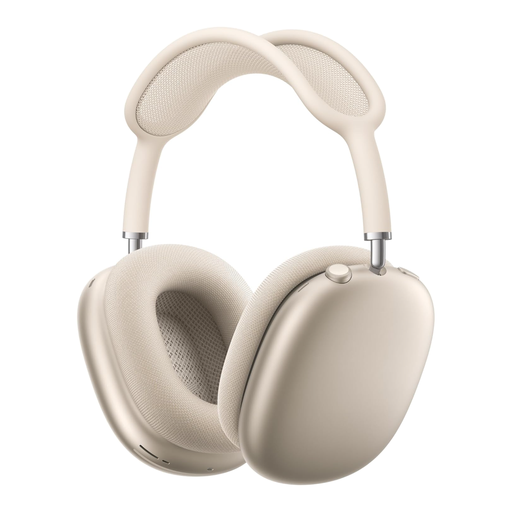 No image available
An over-ear option to consider if you’re looking for noise cancelling when replaying recordings.
 No image available
An over-ear option to compare if you’re looking for noise cancelling and the option to listen through a wired connection.
 No image available
An in-ear option to consider if you’re looking for a compact design and noise cancelling.
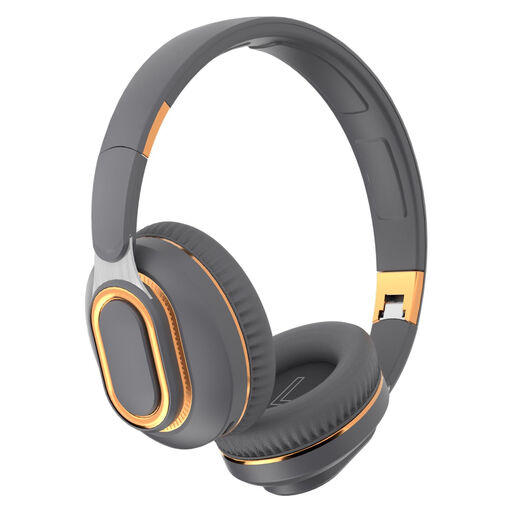 No image available
If your recording is on a TF card, this is an option to compare; the product name specifies TF card playback and a wired connection.
The product name also mentions a foldable design.
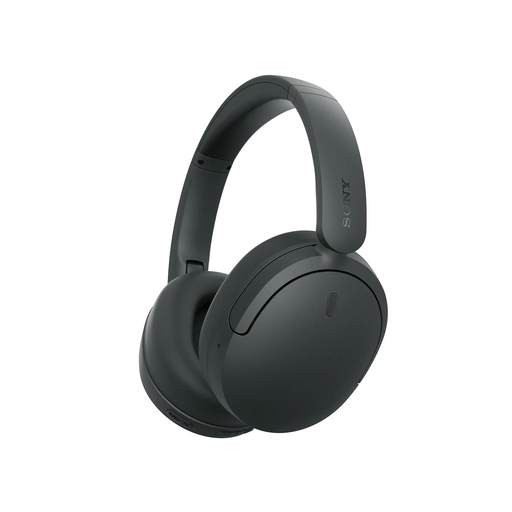 No image available
An over-ear option to compare if you want noise cancelling and a wired backup.
No. Open the file on your playback device and listen through your connected headphones. Check that your player can open the file format and that the controls suit the way you work; VideoLAN explains how to open local files in VLC.
Not if you’re only listening to existing interviews. The Consumentenbond assesses the microphone, speech playback and controls separately; only consider the microphone if you also want to record or make calls.
Keep the volume low, take listening breaks and, where suitable, use headphones that fit well or have noise cancelling. That way, background noise is less likely to make you turn the volume up. The World Health Organization gives an average of 80 dB for up to 40 hours a week as an example; this isn’t a guaranteed safe volume setting for every pair of headphones.
For online consumer purchases, you generally have up to 14 days after delivery to change your mind, subject to statutory exceptions. ACM ConsuWijzer also states that you’re entitled to a product that meets the expectations you could reasonably have; the guarantee therefore isn’t a fixed two-year period for every pair of headphones.
Don’t assume you’re free to process or publish recordings. The Dutch Data Protection Authority states that you need a lawful basis under the GDPR to collect and use personal data. Consent is one possible lawful basis, but it isn’t automatically the only one. The rules that apply to an interview depend on how it is used and are separate from your choice of headphones.