
Listening back amid campus bustle
You listen back to interviews in a shared space or while travelling, and want to reduce distracting background noise without turning up the recording.


If you often listen in a noisy place or while travelling, well-fitting over-ear headphones with noise cancelling can help reduce background noise. Compact in-ear earbuds are easier to pop in your bag, provided you find them comfortable to wear. The Consumentenbond notes that over-ear models are often comfortable for long listening sessions, but take up more space. Also consider the controls, battery life in the mode you use and, if useful, multipoint connectivity. Noise cancelling won’t make an unclear interview recording itself any clearer.
You listen back to interviews in a shared space or while travelling, and want to reduce distracting background noise without turning up the recording.
You replay clips repeatedly and care most about a comfortable fit, easy-to-use controls and battery life that suits your listening sessions.
You often put your headphones away, may switch between a laptop and phone, and sometimes want to hear what’s going on around you.
A good fit if: you listen back to longer sections in a noisy place or on public transport, and find a headband comfortable.
Bear in mind: over-ear headphones take up more room in your bag. Test how clear speech sounds using a clip from your own recording.
A good fit if: being able to put them away quickly matters, and you find a snug, closed fit comfortable.
Bear in mind: the fit affects how well they seal. Also check the stated battery life per charge with noise cancelling on.
A good fit if: you want to be able to hear people speaking to you while walking or listen out for announcements.
Bear in mind: open-ear designs let in more sound, which can mask quieter parts of an interview. An ambient mode doesn’t guarantee that you’ll hear traffic.
| What to consider | What to look for | Who is this important for? |
|---|---|---|
| Following interview speech | Try a difficult clip from your own recording and assess how clear it sounds separately from the noise-cancelling function. | If background noise drowns out quieter parts, being able to follow the recording is what matters most; around 29% of consumers prioritise this need. |
| Comfort when listening repeatedly | Adjust the fit and the ear cushions or earbuds; also try pausing and resuming playback. | When you listen back repeatedly, fit and comfort matter more than carrying as little as possible; around 24% of consumers put this need first. |
| Putting them away between lectures | Check whether the earbuds and case fit in your bag, or whether an over-ear model folds up. | If you often put your headphones away, a compact size makes them easier to carry; around 18% of consumers choose mainly to meet this need. |
| Devices and battery life | Check that the exact model supports multipoint and compare battery life with noise cancelling on and off. | If you switch between a laptop and phone or don’t want to recharge between sessions, this practical combination comes first; around 17% of consumers prioritise it. |
| Being able to hear your surroundings | Try how quickly you can switch on an ambient mode or compare open-ear designs. Keep the volume low, and don’t hold a phone while driving. | If you want to be able to hear people speaking to you while travelling or taking a break, awareness of your surroundings matters most; around 12% of consumers choose mainly to meet this need. |
Stated battery life can vary between modes. JBL gives the Tune 770NC a maximum of 70 hours with ANC off and 44 hours with ANC on; Sony also distinguishes between these modes for the WH-CH720N.
Compare the figure for the mode you actually use, and check the conditions attached to the stated battery life.
If you compare the wrong mode, you may need to recharge sooner than you planned for your sessions.
Noise cancelling reduces sound around you while you listen, but it doesn’t change the voice in the recording.
Try a hard-to-understand clip on your own device, in the place where you’ll listen, before choosing based on noise cancelling alone.
According to the Dutch government, there is no fixed statutory warranty period in the Netherlands. If a product is faulty, the seller must provide a solution.
Before deciding, compare the terms of an extended package with your existing statutory rights.
An ambient mode doesn’t guarantee that you’ll notice traffic. The Dutch government advises you to remain aware of your surroundings, for example by keeping the volume low or using one earbud.
Pay attention to traffic, and don’t hold a mobile electronic device while driving.
Compare Sony’s over-ear WH-CH720N with the compact WF-C710N if the style of fit and connecting to two devices are important to you.
The JBL Tune 770NC is a foldable over-ear option to compare if you’re looking for noise cancelling and connectivity with two devices.
The MOMENTUM 4 Wireless is an over-ear option to compare if long stated playback time and a transparency mode are important to you.
These Joybuy products are wireless over-ear headphones with noise cancelling, for listening back to interviews between lectures. Check the fit, battery life in your preferred mode and any multipoint support for each model.
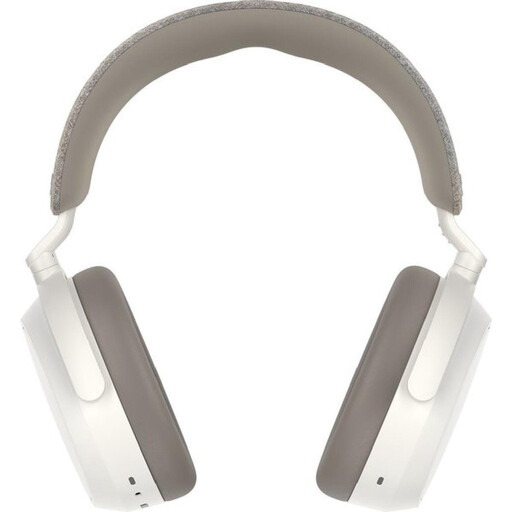 No image available
An over-ear option to compare if you listen back to interviews and want to use noise cancelling.
Sennheiser lists adaptive noise cancelling, a transparency mode and up to 60 hours of playback for this model.
Actual battery life may depend on how you use them.
 No image available
A closed-back over-ear model to consider if noise cancelling and connecting to multiple devices matter to you.
The product information lists active noise cancelling, multipoint and up to 24 hours of battery life.
Check the battery life for the mode you need.
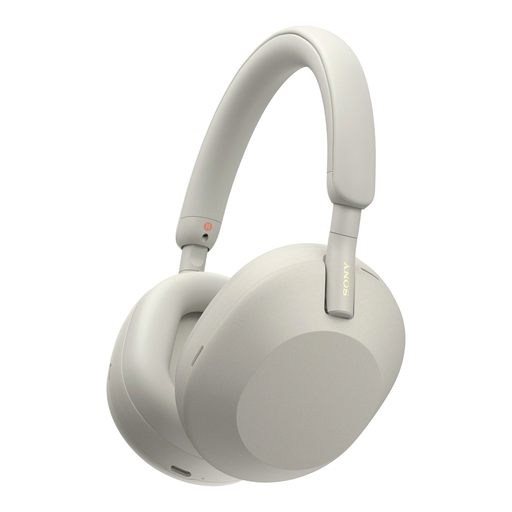 No image available
An over-ear option to compare if you want noise cancelling while listening and the ability to switch between devices.
The product information lists multipoint and up to 30 hours of battery life with noise cancelling on.
Check that the controls and stated battery life suit the way you listen.
 No image available
An over-ear option to compare if you listen back to long sections and also want to switch between a laptop and phone.
Sony lists multipoint and up to 35 hours of music playback with noise cancelling on for this model.
Stated battery life depends on the mode you use.
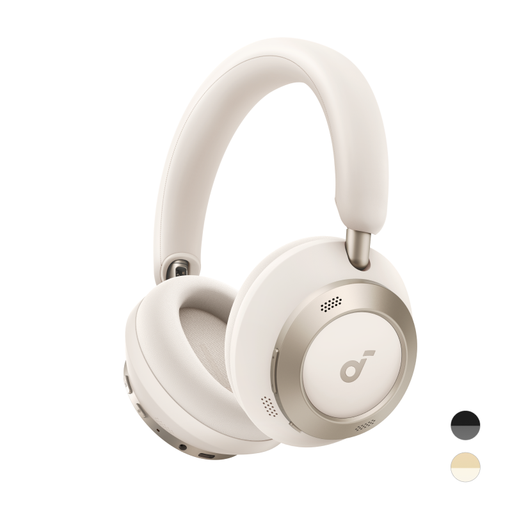 No image available
A foldable over-ear option to compare if you often want to take your headphones with you.
The product name states 60 hours of battery life; the description gives up to 40 hours with ANC on. The product information also lists multipoint.
Compare the battery life for the noise-cancelling mode you use.
No. Noise cancelling reduces sound in your current listening environment, but it won’t restore the original recording. Try a difficult clip from your own interview before choosing based on ANC alone.
Pair both devices and, following Sony’s instructions, switch on the setting for connecting to two devices at once in the Headphones Connect app. Then test whether switching between them works with your own playback software and fits your workflow.
Check the figure for the mode you actually use. Sony lists up to 35 hours of music playback with NC on for the WH-CH720N; JBL lists up to 44 hours with ANC on for the Tune 770NC. These are manufacturer figures, not a guarantee of battery life for every individual charge.
According to the Dutch government, you can listen to music hands-free, but you must not hold a mobile electronic device while driving. The Dutch government advises staying aware of your surroundings, for example by keeping the volume low or using one earbud; you aren’t required to use exactly one earbud.
Not necessarily. The Dutch government states that there is no fixed statutory warranty period in the Netherlands, and that the seller must provide a solution if a product is faulty. Check whether an extended package genuinely adds anything to your existing rights.
Keep the volume as low as is practical and pay attention to your total listening time. The World Health Organization gives 80 dB for up to 40 hours a week as an example of safe listening; at higher sound levels, the safe listening time is shorter.