
Vandaag of morgen in huis

Kwaliteit gegarandeerd

Welkomstaanbiedingen ontgrendelen: GRATIS bezorging | Tot 80% korting | Gratis 30 dagen JoyPlus-proefperiode
Download de app
Buying wireless headphones seems simple, until you have to choose between Bluetooth headphones, noise-cancelling headphones, over-ear headphones or a lightweight on-ear model. Marketing often focuses on big battery-life claims, “premium” sound and clever features. But these terms don’t always tell you enough about what they’re like to use every day.
Look out for three common pitfalls:
Over-ear headphones completely cover your ears. This can help block out noise passively, making them practical for travel, office work and listening to music. Check the weight, how adjustable the headband is, and whether the ear pads can be replaced.
On-ear headphones rest on your ears. Models such as the Sony WH-CH520 and JBL TUNE 520BT2 are compact and relatively lightweight. This makes them suitable for commuting, but how much pressure they put on your ears will vary from person to person.
Bone conduction headphones and open-ear models work differently. Your ears remain mostly uncovered, so you can hear more of your surroundings. This is useful when running or cycling, but the listening experience and bass may differ from those of closed-back headphones.
Always compare battery life with the features you actually use. The Sony WH-1000XM5 is stated to offer up to 30 hours with noise cancellation on and up to 40 hours with it off. The Sony WH-CH720N is stated to offer up to 35 hours with noise cancellation on and up to 50 hours with it off.
Headphones with long battery life can be handy when travelling, but check the charging time and fast-charging feature too. The Marshall Major V is stated to offer more than 100 hours of playback and up to 15 extra hours from a 15-minute charge. The JBL TUNE 520BT2 is stated to offer up to 76 hours, with five extra hours from a five-minute charge. These are the stated product specifications; actual battery life depends on volume, codec, connection and usage.
A 3.5mm socket is useful if the battery runs out. According to the product information, the Bose QuietComfort Ultra (2nd Gen), Sonos Ace and Intenso O400HA also offer a wired connection.
Not all wireless headphones are suitable for rain, sport or swimming. So check whether an official IP rating is listed. The Mojawa RunPlus bone conduction headphones are offered with IP68 and are designed for activities such as running, cycling and swimming. According to the product information, after contact with salt water, the product should be rinsed with fresh water and left to dry completely before charging.
According to the information provided, the Sony WH-CH520 and Marshall Major V are not water-resistant. Don’t use them for swimming or intense activities where they’re likely to get very wet.
Also check the Bluetooth version, multipoint connectivity and app support. Multipoint lets you keep, for example, a laptop and smartphone connected at the same time. Check that your phone, laptop and preferred audio codec are compatible too. A newer Bluetooth version number doesn’t automatically mean that every device supports the same features.
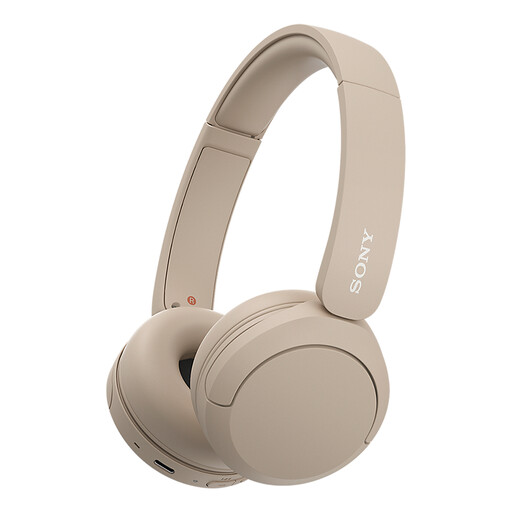
Why it suits this type of user: This lightweight on-ear model has a microphone, multipoint connectivity and a stated long battery life. That makes it suitable for music, podcasts and calls, without a complicated set-up.
The product information lists specific features such as its 147-gram weight, Bluetooth and multipoint connectivity. However, the specifications provided state both 40 and 50 hours of battery life, so check the current product listing.
Lightweight design, USB-C charging, microphone and connection to two devices.

Why it suits this type of user: For travel, the office and long listening sessions, the comfort of an over-ear fit, active noise cancellation and multipoint connectivity are practical features.
Battery life is listed separately for when noise cancellation is on and off. This gives you a better idea of what to expect on a flight or during a working day.
Active noise cancellation, LDAC according to the product information, app control and up to 30 hours with noise cancellation on.

Why it suits this type of user: This open-ear bone conduction model is designed for running, cycling, fitness and swimming, where it can be useful to keep your ears uncovered.
The product listing specifies IP68 and 32 GB of built-in storage. Before buying, check the exact conditions for swimming and the charging process.
Open-ear design, Bluetooth, MP3 storage and stated IP68 rating.
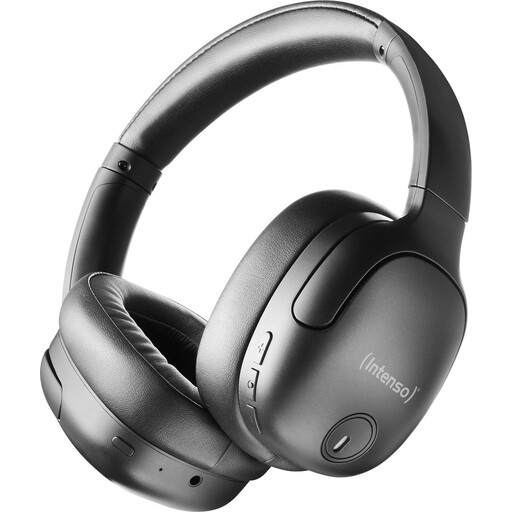
Why it suits this type of user: The foldable design, Bluetooth 5.3, 3.5mm socket and stated battery life of up to 75 hours make it a good fit for long train and plane journeys.
The listing makes clear that this model has no IP rating. That means you can rule it out for sport or rainy weather rather than relying on a general usage claim.
Hybrid ANC, Bluetooth 5.3, stated battery life of 75 hours and included audio cable.
We’ve put together a complete, up-to-date list of products that meet these strict selection criteria and the applicable European safety regulations.
Put the headphones into pairing mode, open the Bluetooth settings on your smartphone and select the product name. Some models use Fast Pair or Swift Pair to help you connect for the first time. If pairing doesn’t work, remove an old connection or check whether the headphones are already connected to another device.
It varies by model and how you use them. Noise cancellation, phone calls, high volume and an active app can drain the battery faster. So check the stated battery life with noise cancellation both on and off. Fast charging may also be more important than a high maximum if you often forget to charge your headphones.
Only if the product information says they’re suitable. Check for an official IP rating and read the conditions for sweat, rain, fresh water and swimming. Models without water resistance, such as some on-ear and over-ear headphones, are best kept for dry conditions. When cycling or in traffic, stay aware of your surroundings and don’t use noise cancellation when you need to hear what’s around you.
