
Vandaag of morgen in huis

Kwaliteit gegarandeerd

Welkomstaanbiedingen ontgrendelen: GRATIS bezorging | Tot 80% korting | Gratis 30 dagen JoyPlus-proefperiode
Download de app
Wireless headphones might seem easy to choose: connect via Bluetooth, start playing music and you’re all set. In practice, models vary widely in comfort, microphone quality, battery life and suitability for sport or travel. A low price also tells you little about the fit or how reliable the connection will be.
So, look out for these three common pitfalls:
First, choose between over-ear headphones, in-ear earbuds, half-in-ear earbuds or open-ear headphones.
Compare not only the earbuds’ play time, but also the total battery life with the charging case. A model offering, for example, 8 hours of play time per charge may be enough for your daily commute. For travel or long working days, headphones with long battery life are more practical.
Also check:
For example, the Soundcore Space One lists battery life of up to 55 hours and can be used via Bluetooth or a 3.5mm connection. That makes it a flexible option when the battery runs out.
Bluetooth headphones should pair reliably with your phone, tablet and laptop. Bluetooth 5.3 or 5.4 indicates up-to-date connectivity technology, but doesn’t tell you everything about range or call quality.
For working from home and making calls, the number of microphones is only one thing to consider. Also look at their placement, wind filtering and whether there’s a mute or control function. A headset with a microphone can be more convenient for online meetings than separate earbuds.
For sport, the IP rating matters:
A water-resistance rating doesn’t mean a product is suitable for swimming. Check whether the charging case also needs to be kept dry.
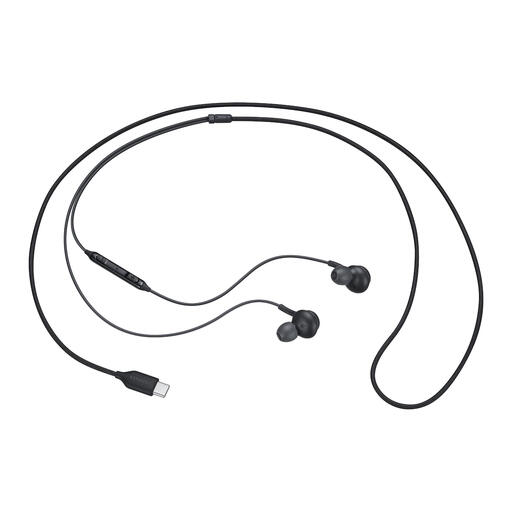
Why it suits this profile: A wired USB-C headset is easy to use, with no pairing or charging required. According to the product information, this model weighs 18,35 grams and has a built-in microphone and controls.
No need to worry about Bluetooth range or battery status. Just check in advance that your phone or laptop supports audio via its USB-C port.
USB-C, in-line controls, a microphone and a selection of ear tip sizes included, according to the product description.

Why it suits this profile: According to the product information, these over-ear headphones are designed for music, calls and travel, with active noise cancellation, transparency mode and support for multiple devices.
The specifications list both noise cancellation and Aware Mode. This lets you choose between more immersive listening and hearing more of your surroundings, depending on the situation.
Up to 30 hours of battery life, USB-C and 3.5mm connections, multipoint connectivity and microphones for calls, according to the product details.
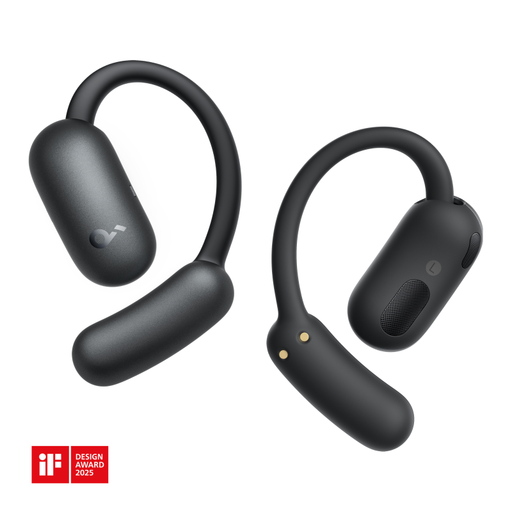
Why it suits this profile: The open-ear design is intended for calls, music, sport and everyday use. According to the product specifications, it has Bluetooth 5.4, an IP55 rating and button controls.
The open design means you’re not completely cut off from your surroundings. IP55 offers protection against sweat and splashes, but isn’t a substitute for protection against immersion.
Open-ear design, Bluetooth 5.4, 750mAh battery and charging station, according to the product information.
We’ve put together a comprehensive, up-to-date list of products that meet these strict selection criteria and the applicable European safety regulations.
First, charge your headphones and switch on Bluetooth on your phone. When pairing for the first time, open the Bluetooth settings and select the product name. With TWS earbuds, you usually need to open the charging case first. Check the manual if the model doesn’t appear or is already connected to another device.
It varies by model, volume, codec, phone calls and whether you use noise cancellation. Check the difference between play time per charge and total play time with the charging case. Battery performance declines over time, so avoid storing the product for a long time fully discharged or in extreme temperatures.
Not necessarily. Active noise cancellation can reduce surrounding sounds, but traffic noise is important to hear. Only use headphones if you can still see and hear enough of your surroundings, and follow the Dutch traffic regulations. An open-ear model may be more suitable for sport, but you’ll still need to stay alert.
