
Vandaag of morgen in huis

Kwaliteit gegarandeerd

Welkomstaanbiedingen ontgrendelen: GRATIS bezorging | Tot 80% korting | Gratis 30 dagen JoyPlus-proefperiode
Download de app
Wireless headphones make listening to music, watching films and making hands-free calls more convenient. However, a low price, long battery life or “smart” feature does not always say enough about whether a model suits your situation. A commuter has different requirements from someone who mainly works from home, exercises or enjoys long daily listening sessions.
This buying guide explains what to look for in Bluetooth headphones, wireless earbuds or an over-ear model. We also compare several popular options based on verifiable product specifications.
Manufacturers often state the maximum playback time, but actual usage time can vary depending on factors such as volume, active noise cancellation and phone calls. With earbuds, you should also distinguish between the battery life of the earbuds themselves and the total duration including the charging case.
A model offering 5 hours of playback per charge can be practical if you use the case regularly. For long journeys, headphones with long battery life may be more suitable, such as an over-ear model offering dozens of hours of playback.
Active Noise Cancelling, or ANC, uses microphones and electronic processing to reduce ambient sound. That does not mean every sound disappears. Low, constant tones such as train or aircraft noise are generally processed differently from voices, bicycle bells or sudden sounds.
Also check whether the headphones can let ambient sound through. Transparency mode is useful in the office or on public transport, but do not use noise cancellation in situations where you need to hear traffic.
In-ear headphones seal the ear canal and are usually compact, but the fit varies from one ear to another. Check whether multiple ear-tip sizes or stabilising wings are included. Over-ear headphones distribute pressure differently, but may feel warmer and take up more space in your bag.
An open-ear model, such as clip-on or bone-conduction earbuds, allows you to hear your surroundings more clearly. The trade-off is that ambient noise can also affect the music.
Bluetooth 5.3, 5.4 or 6.0 refers to the device’s wireless technology. A higher version number does not automatically mean better sound. Above all, check whether the headphones are compatible with your smartphone and whether multipoint is supported. This allows you to stay connected to, for example, both a laptop and a phone.
Apple users often benefit from additional integration within the Apple ecosystem. Android and Samsung users should check which app, features and codecs are supported. Bluetooth headphones can generally also be paired with devices from other brands, but some features may be limited.
At a minimum, review these three details:
The stated duration is a maximum taken from the product information. The JBL Tune 730BT, for example, is listed with up to 76 hours of playback time. The Soundcore Liberty 4 Pro specifies up to 10 hours of continuous playback. Use these figures primarily to compare models under equivalent conditions.
An IP code indicates the extent to which a product is protected against dust and water. IPX4, for example, means protection against splashing water, while IPX5 indicates protection against water jets under certain conditions. IP57 offers a different combination of dust and water protection.
None of these ratings means that you can submerge a product without restrictions or use it while swimming. Also, do not connect a charging case while the USB-C port is damp.
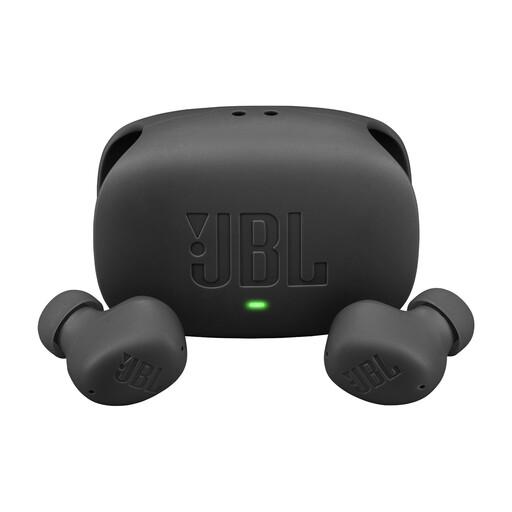
Why it’s a good fit: These true wireless earbuds are designed for everyday use, commuting and calls without a headband.
The product information separately states up to 8 hours of playback and up to 40 hours with the case when ANC is disabled. This makes it clear under which conditions the total duration applies.
ANC, multipoint, IP54 and USB-C charging are listed in the product specifications.

Why it’s a good fit: The over-ear design and active noise cancellation suit remote workers, frequent travellers and film enthusiasts.
In addition to Bluetooth 5.4, the product information states that a detachable cable with USB-C and jack connectors is included. You are therefore not entirely dependent on a wireless connection.
Bluetooth 5.4, active noise cancellation, spatial audio and 24 hours of battery life with charging in approximately 180 minutes are listed in the product specifications.
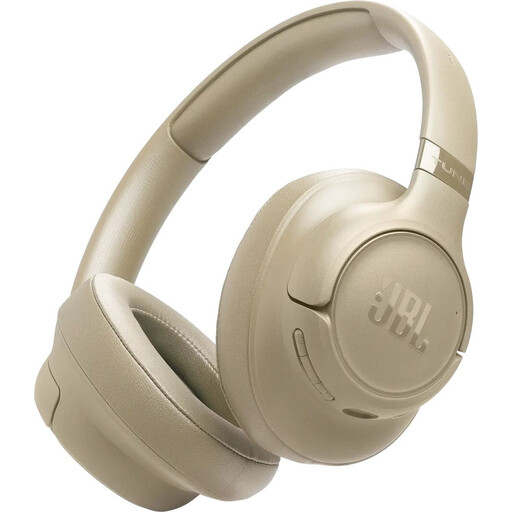
Why it’s a good fit: This over-ear model is well suited to long listening sessions, travel and users who prefer to charge less frequently.
The product page lists both total battery life and talk time. It also states that a charging cable is not included, so check in advance that you have a suitable USB-C cable.
Up to 76 hours of music playback, multipoint connectivity and two microphones are listed in the product specifications.
Explore a current selection of models that meet these selection criteria and the applicable EU safety information.
Usually, yes, as long as the model supports Bluetooth. Basic functions such as music playback and calls generally work on both platforms. Additional options, such as device finding, automatic switching or advanced equaliser settings, may depend on the brand and operating system.
Their lifespan depends on usage, storage, charging habits and the built-in battery. Ear cushions, charging contacts and silicone ear tips can wear out before the electronics fail. Store earbuds in their case, keep charging ports dry and avoid prolonged exposure to heat or moisture.
ANC is particularly useful when you want to reduce ambient noise while travelling, working or listening. For calls, the number of microphones, wind reduction and microphone placement are also important. So do not look only for the term “noise-cancelling headphones”; compare the specific product specifications and available call modes.
