
Vandaag of morgen in huis

Kwaliteit gegarandeerd

Welkomstaanbiedingen ontgrendelen: GRATIS bezorging | Tot 80% korting | Gratis 30 dagen JoyPlus-proefperiode
Download de app
A pair of wireless headphones may seem straightforward to choose at first glance. You select a colour, check the battery life and pair the device via Bluetooth. However, differences in comfort, noise cancellation and compatibility may only become apparent after a few weeks. If you focus solely on an eye-catching marketing claim, you could end up paying for features that do not suit your everyday use.
In this guide from the Joybuy Product Recommendation Officer, we look at the most important purchase criteria. We also match different models to recognisable user profiles, helping you choose more confidently between Bluetooth headphones, wireless earbuds and wireless headsets.
Manufacturers often quote battery life under specific conditions. Noise cancellation, high volume levels, phone calls and app use can all affect playback time. So do not just compare the highest number of hours. Also check:
The Sony WH-CH520 product information includes several different battery-life figures. Always check the current specifications on the product page before placing your order.
Headphones with noise cancellation use microphones and electronic processing to reduce ambient sound. This works particularly well with constant noises, such as the hum of a train or aeroplane. Voices, sudden sounds and traffic may still be audible.
Also look for a transparency mode or ambient sound mode. This is useful when you are working in an office or want to hear an announcement at a station. Do not use active noise cancellation as a substitute for staying alert in traffic.
Over-ear headphones completely surround the ear. This can be comfortable during journeys or long listening sessions, but a heavier model may feel warmer. On-ear headphones rest on the ear and are usually more compact, but may start to feel tight over longer periods.
Standard over-ear models are often less suitable for sports. In that case, look for an ear-hook design, a secure fit and a water-resistance rating. An IPX5 rating, for example, means protection against water jets under certain conditions, but does not mean that the product is fully waterproof.
Bluetooth 5.x mainly indicates the connection standard being used, but it does not determine sound quality on its own. Also check the supported codecs, such as SBC, AAC, LDAC or aptX, and whether your smartphone supports them.
A multipoint connection is useful if you use a laptop and smartphone at the same time. It allows you to switch more easily between a video call and a phone call. However, check that multipoint is actually supported by the model you choose; it is not available on every pair of Bluetooth headphones.
For headphones used for calls, the number and positioning of the microphones, along with the software processing, are relevant. Manufacturers may claim that their microphones reduce background noise. Present this as a product claim from the brand, rather than a guaranteed result in every environment.
Physical buttons are often practical in winter or while walking. Touch controls may look more elegant, but can sometimes respond differently depending on a hat, hair or how they are touched. Also check whether volume, playback pauses and calls can be controlled directly from the headphones.
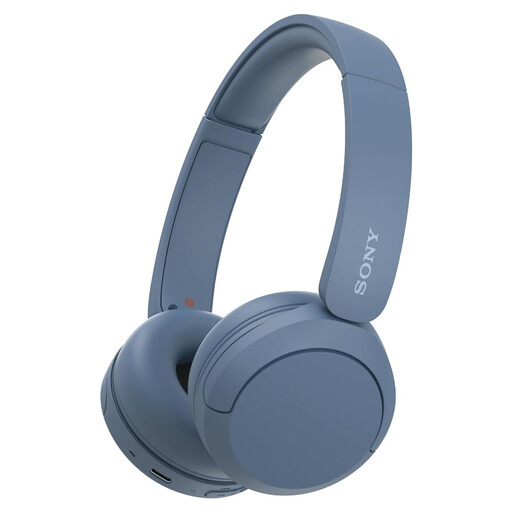
Why it suits this profile: Lightweight on-ear headphones for music, podcasts and phone calls without complicated set-up.
The specifications state a weight of 147 grams, physical buttons and multipoint support. This keeps the core functions straightforward.
USB-C, microphone, Bluetooth and an adjustable headband. The product description mentions long battery life; check the current battery information at the time of purchase.
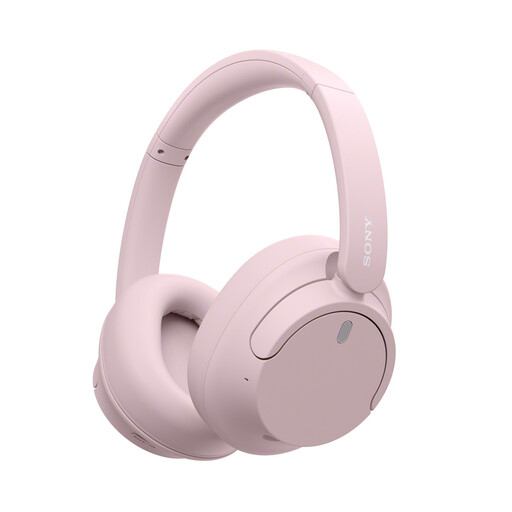
Why it suits this profile: Over-ear headphones with active noise cancellation for train journeys, office work and everyday listening.
The product information distinguishes between use with and without noise cancellation. This helps you assess the battery claim more realistically.
Active noise cancellation, multipoint and a weight of 192 grams according to the product specifications. The settings can be adjusted via an app.
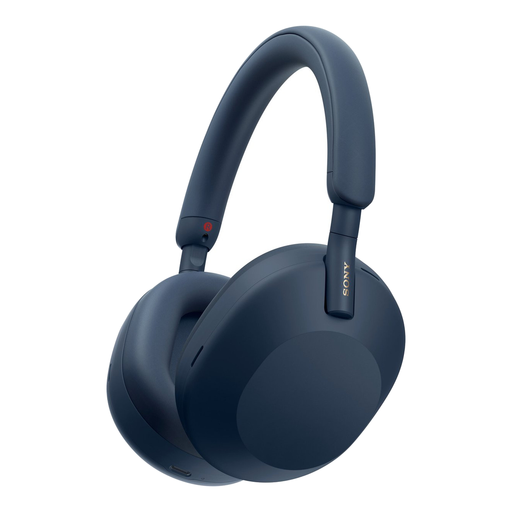
Why it suits this profile: For those who value active noise cancellation, app settings and support for multiple codecs.
The product page lists separate battery-life figures with and without noise cancellation. This makes it easier to compare usage scenarios fairly.
Over-ear design, LDAC/AAC/SBC codecs, multipoint, microphone and a supplied audio cable.
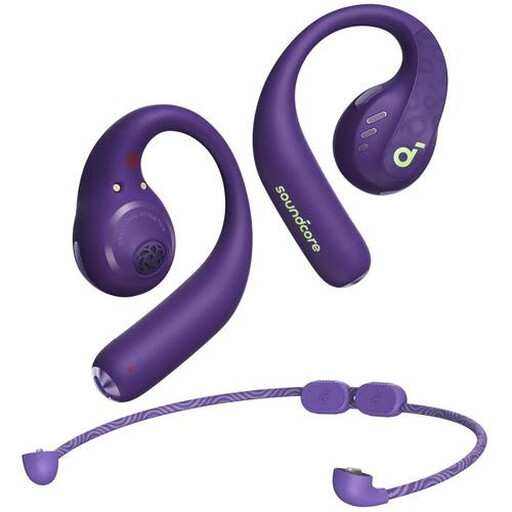
Why it suits this profile: The ear-hook design and IPX5 rating are well suited to users who combine music and calls with physical activity.
The stated water resistance is better suited to sports and rain than a model without an IP rating. It is not designed to be submerged.
Bluetooth 5.3, AAC/LDAC/SBC, built-in controls, microphone and a stated playback time of 14 hours.
We have put together a complete, up-to-date list of products that fully meet these strict selection criteria and the applicable European safety regulations.
Switch on the headphones and hold down the pairing button until the indicator light flashes. Then open the Bluetooth settings on your phone and select the product name. With models that support multipoint, connect the first device and then the second device as described in the manual.
Playback time per charge varies depending on the model and settings. The product’s lifespan depends, among other things, on the battery, hinges, ear cushions and how it is stored. Charge the headphones with a suitable USB-C cable, avoid heat and store them in a dry place. A statutory minimum two-year guarantee applies to consumer products in the EU; additional terms may vary by seller and product.
That depends on your surroundings. Active noise cancellation can be useful on train journeys, aeroplanes and in busy offices. For quiet use at home, a model without ANC may be sufficient. Before deciding, compare the battery life with ANC switched on, the weight, the fit and whether a transparency mode is available.
