
Vandaag of morgen in huis

Kwaliteit gegarandeerd

Welkomstaanbiedingen ontgrendelen: GRATIS bezorging | Tot 80% korting | Gratis 30 dagen JoyPlus-proefperiode
Download de app
Buying a new pair of wireless headphones or a set of wireless earbuds seems simple, until you dive into the specifications. The market is flooded with marketing terms that create more confusion than clarity. As a Product Recommendation Officer at Joybuy, I see where consumers go wrong every day. Before you make a decision, it's important to recognise three common pitfalls that often lead to buyer's remorse.
To find a model that suits your needs, it's wise to look past the marketing and focus on a few core specifications.
The fit largely determines comfort and the sound experience. There are three main types:
A noise cancelling headphone can work in two ways. Passive noise cancellation is created by the physical seal of the earbuds or earcups. Active Noise Cancelling (ANC) is more advanced: it uses microphones to measure ambient sound and produces an opposing sound wave to neutralise the noise. This is particularly effective against constant, low-frequency sounds like those on an airplane or train.
Pay attention to the Bluetooth version. A more recent version (like 5.3 or higher) ensures a more stable connection, a greater range, and more efficient power consumption. For gamers, latency (delay) is a critical point. Standard Bluetooth can have a noticeable delay. A dedicated gaming headset with a 2.4GHz dongle offers much lower latency, which is essential for competitive gaming. A headset with a microphone is indispensable for communicating with teammates.
Based on objective specifications, we have selected a number of models that suit different user profiles and avoid the pitfalls mentioned earlier.
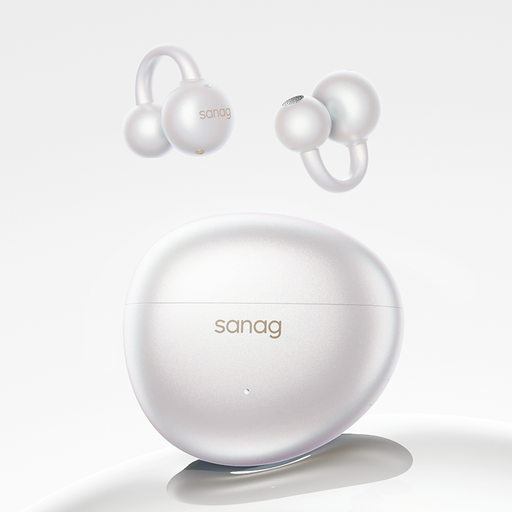
Why This Fits Their Persona: Ideal for runners and cyclists in the Netherlands who prioritise safety. The open-ear design ensures you can still hear traffic and other ambient sounds while enjoying your music.
This model bypasses the "waterproof" trap by being specifically designed for sports. Its IP rating is focused on sweat resistance, not swimming, which sets clear expectations. The open-ear feature is a practical safety attribute, not a gimmick.
Bone conduction technology for full situational awareness. The over-ear band provides a stable fit that won't fall off during movement.
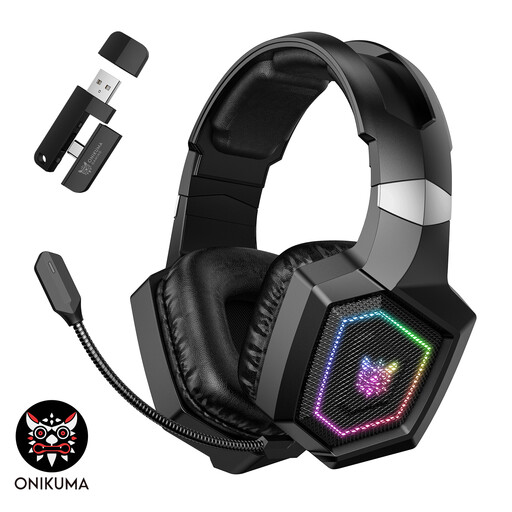
Why This Fits Their Persona: For gamers on PC, PS5, or Switch who refuse to compromise on audio speed. The 2.4GHz mode provides an ultra-low latency connection, allowing you to hear every footstep and shot in real-time.
This headset directly addresses the latency pitfall of standard Bluetooth. By using a dedicated 2.4GHz dongle, it minimises delay—a common problem for gamers using regular wireless headphones.
Triple-mode connectivity (2.4G, Bluetooth, wired) for maximum compatibility. According to ONIKUMA, latency is under 30ms in 2.4G mode, ensuring a seamless gaming experience.
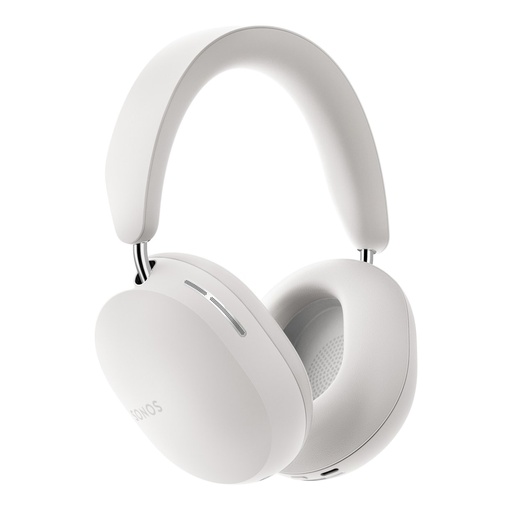
Why This Fits Their Persona: For the audiophile and film enthusiast seeking an immersive listening experience. These headphones are engineered for sound quality, with support for lossless audio and seamless integration with a Sonos home cinema system.
Instead of vague claims about "high quality," the Sonos Ace delivers verifiable specs like aptX Lossless audio over Bluetooth. The 30-hour battery life is the continuous playback time with ANC enabled—a transparent and impressive specification.
Support for lossless audio and spatial audio with dynamic head tracking. The ability to swap TV audio from a compatible Sonos soundbar for a personal cinema experience is a unique advantage.
We have compiled a complete, up-to-date list of products that fully meet these strict selection criteria and local safety regulations.
The lifespan of wireless headphones depends on two factors: the physical build quality and the battery. The lithium-ion batteries in the earbuds and the case will degrade in capacity over time. With daily use, you can expect battery performance to noticeably decline after 2 to 3 years. The physical lifespan can be much longer if you handle them with care.
Yes, most modern smart TVs have a built-in Bluetooth function that allows you to pair wireless headphones. Go to your TV's sound settings and look for the option to add a Bluetooth device. Keep in mind that there may be a slight delay (latency) between the picture and sound, which can be distracting for movies and TV shows. Some headphones and TVs support low-latency codecs to minimise this.
