
Vandaag of morgen in huis

Kwaliteit gegarandeerd

Welkomstaanbiedingen ontgrendelen: GRATIS bezorging | Tot 80% korting | Gratis 30 dagen JoyPlus-proefperiode
Download de app
Wireless headphones can look like an obvious choice on paper. Bluetooth 5.4, noise cancelling, dozens of hours of battery life and “studio-like” sound all sound appealing. But marketing terms on their own tell you little about what they’re like to use every day. A model that’s comfortable on a train journey, for example, might feel too warm when you’re exercising. Wireless earbuds that look compact might not stay in place as well when you’re out walking.
So focus on how they fit, battery life, protection and connection options. Read on to find out which specifications you can check and which models suit different situations.
A quoted battery life is usually a maximum under certain conditions. With noise-cancelling headphones, battery life may be shorter when active noise cancelling is switched on. Volume, codec, calls and temperature can also affect power consumption.
So don’t just look for “long battery life”. Check:
Over-ear headphones go around your ears and can be comfortable for travelling or working. Their size and weight make them less convenient for intense exercise. In-ear earbuds are light and compact, but the fit varies from person to person. Open-ear headphones let in ambient sound, which can be useful when you’re out walking but less suitable if you want complete sound isolation.
Ear-hook models may stay more securely in place during movement than standard earbuds. Make sure you check the weight, finish and water resistance too.
An IP code describes protection against dust and water according to a standardised classification. IPX4, for example, means protection against splashes, while IPX5 indicates a certain level of protection against water jets. Neither rating automatically makes a product suitable for submersion.
So use a model rated IPX4 or IPX5 mainly for sweat and light rain, and always check the manufacturer’s instructions. Headphones without a stated IP rating aren’t automatically suitable for sport.
Choose a style that suits your routine:
Fit is personal. A model with lots of features isn’t practical if it becomes uncomfortable after a short time.
Bluetooth headphones connect wirelessly to a phone, tablet or laptop. Bluetooth versions such as 5.3 and 5.4 tell you about the connection technology used, but they don’t determine sound quality or range on their own.
For work and phone calls, the number of microphones, button controls and multipoint connectivity are useful things to check. Multipoint lets you keep two devices connected at the same time, if the manufacturer supports this feature. Also check whether the headphones have a wired input. This can come in handy when the battery is flat or when you’re using an in-flight entertainment system.
Support for AAC, SBC or LDAC tells you which Bluetooth audio codecs are available. Your source device, phone and headphones all need to support the same codec for you to use it. A codec alone doesn’t guarantee a particular listening experience.
Active noise cancelling uses electronics to reduce ambient sound. This can be useful on public transport or in the office. Transparency mode, on the other hand, lets more ambient sound through. Don’t use headphones when cycling, driving or in other situations where you need to stay alert.
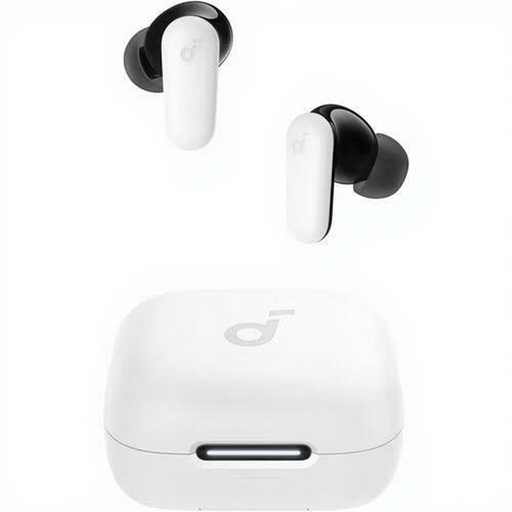
Why it suits this profile: A compact option for everyday listening, calls and commuting. The earbuds have Bluetooth 5.4, a charging case and touch controls.
The IP54 rating gives a clearer indication of water protection than a general claim of splash resistance. Battery life is specified at up to 10 hours.
Four microphones, Bluetooth 5.4, USB-C charging case and IP54 protection.
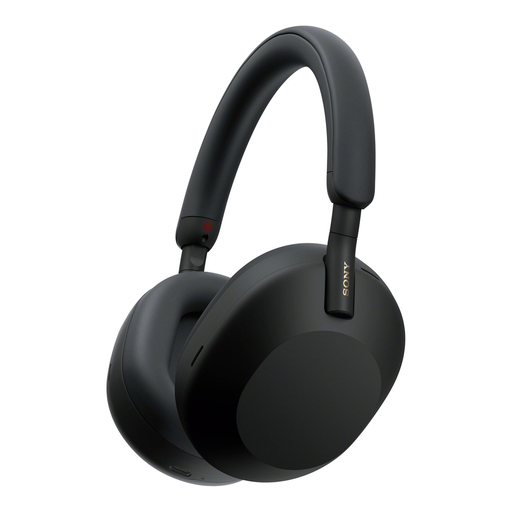
Why it suits this profile: Over-ear headphones for music, travelling and work, with active noise cancelling, multipoint connectivity and support for LDAC, AAC and SBC.
The specifications list battery life separately with and without noise cancelling: up to 30 and 40 hours respectively. This makes it easier to judge how the claim fits your own usage.
LDAC, 3.5mm connection, multipoint, USB-C and active noise cancelling.
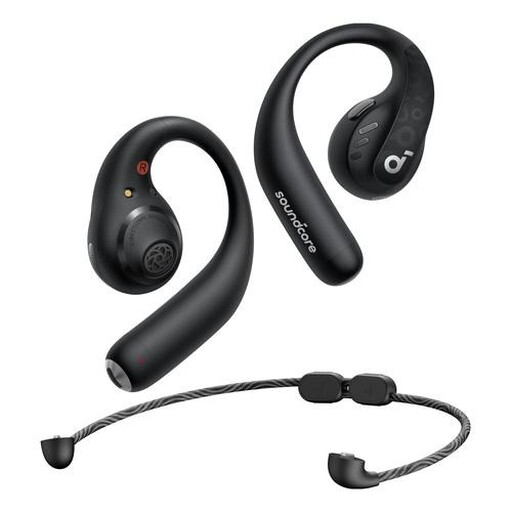
Why it suits this profile: The ear hooks are designed for movement, while buttons and two-way use are available for calls and music.
The IPX5 rating clearly indicates protection against sweat and water jets. The ear hooks are designed to keep the headphones in place during sport, but they’re not intended for submersion.
Bluetooth 5.3, AAC/LDAC/SBC, IPX5, 14 hours of continuous playback and a case included.
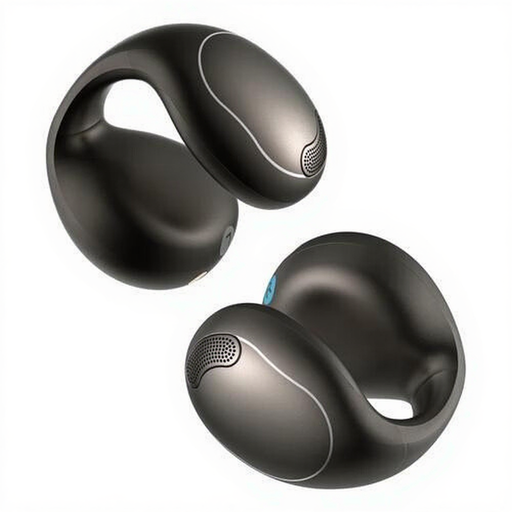
Why it suits this profile: Open-ear headphones for calls, music, sport and everyday use when you want to stay aware of your surroundings.
The open-ear design avoids pressure in the ear canal. The IPX4 rating is clearly stated, so you won’t mistake this model for one that’s fully waterproof.
Bluetooth 5.4, two microphones, button controls, open-ear design and a weight of 60 grams.
We’ve put together a complete, up-to-date list of products that meet these strict selection criteria and the applicable European safety regulations.
First, charge the headphones, switch on Bluetooth on your phone and put the headphones into pairing mode. Then select the product name from the Bluetooth list. If you’ve paired the headphones before, they’ll often connect automatically. If you have any problems, check that they aren’t already connected to another device.
Battery life per charge varies by model and usage. Over-ear headphones may offer dozens of hours, for example, while a compact pair of wireless earbuds will often last less time per charge and can be recharged using the case. The battery gradually wears out over charging cycles. Store the product in a dry place, avoid extreme temperatures and use a suitable USB-C charger.
No. Noise cancelling is most useful in noisy places such as trains and aeroplanes. A standard pair of Bluetooth headphones may be enough for quieter spaces. If you make calls often, pay particular attention to the microphones, button controls and description of call quality, as well as noise cancelling. Always check which features are actually listed in the product specifications.
