
Vandaag of morgen in huis

Kwaliteit gegarandeerd

Welkomstaanbiedingen ontgrendelen: GRATIS bezorging | Tot 80% korting | Gratis 30 dagen JoyPlus-proefperiode
Download de app
Wireless headphones may seem straightforward to choose at first. In reality, models vary considerably in comfort, battery life, microphone quality and connectivity. A low price can be tempting, but it tells you little about how comfortable a pair of headphones will feel after wearing them for several hours. A long battery life or noise-cancelling feature won’t necessarily suit the way you plan to use them, either.
So, look out for these common pitfalls:
Bluetooth headphones are handy for smartphones, tablets and laptops. As well as checking the Bluetooth version, see whether the model supports multipoint. This lets you keep, for example, a laptop and phone connected at the same time. It’s useful when working from home: listen to music from your laptop and answer a phone call without having to pair your headphones again.
A stable connection doesn’t depend on Bluetooth alone. Distance, walls and the connected device can also make a difference. A 3.5mm jack can be useful if you want to use older equipment. The Soundcore Space One, for example, supports both Bluetooth and a wired connection.
Don’t just compare the highest figure. Check whether the manufacturer gives separate battery life estimates with noise cancellation on and off. The Sony WH-CH720N is listed as offering up to 50 hours without noise cancellation and 35 hours with it. The Sony WF-C710N is listed as offering up to 40 hours without and 30 hours with noise cancellation, including the charging case.
Check the charging port, too. USB-C is convenient, as the same cable can often be used for several devices. Fast charging may matter more than an exceptionally high maximum battery life if you regularly forget to charge your headphones.
Over-ear headphones such as the Sony WH-CH720N or Bose QuietComfort enclose your ears. This can be comfortable on long train journeys or during work sessions, but check the weight and how much pressure the headband applies. The Bose QuietComfort weighs 240 grams according to its product specifications; the Sony WH-CH720N is listed at 192 grams.
On-ear headphones such as the Sony WH-CH520 weigh 147 grams, making them easy to carry around. However, they don’t fully enclose your ears. This can be useful for everyday cycling, walking or shorter listening sessions, as you can hear more of what’s going on around you.
For wireless earbuds, a secure fit, IP rating and protection for the charging case are all worth considering. According to the product information, the Sony WF-C710N has an IPX4 rating for splash resistance. This doesn’t protect against immersion, and the rating doesn’t automatically apply to the case.
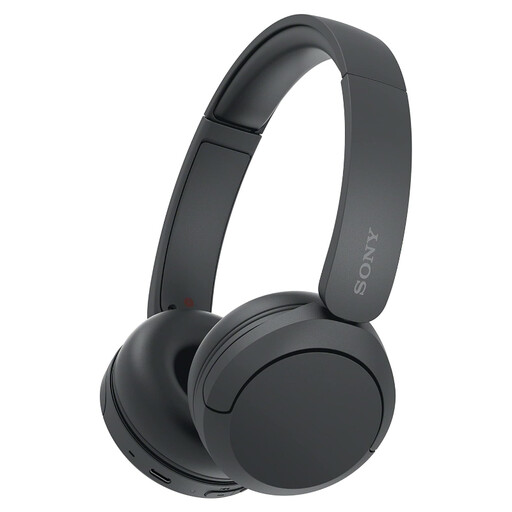
Why it suits this type of user: Lightweight on-ear headphones for everyday listening, commuting and straightforward phone calls. According to Sony’s product information, this model supports multipoint and an app for adjusting the sound.
The key features are clearly specified: Bluetooth, microphone, multipoint and USB-C. Check the current battery life information, though, as different product fields list different figures.
147 grams, multipoint connectivity, microphone, USB-C and support for AAC and SBC.
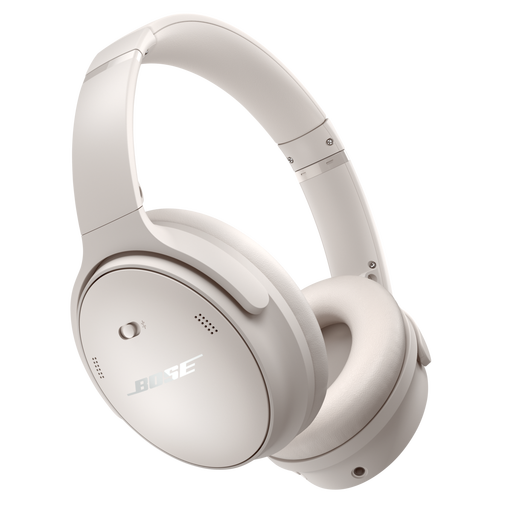
Why it suits this type of user: Over-ear headphones for anyone who values comfort and active noise cancellation when travelling, working from home or listening for long periods.
The product information lists Bluetooth as well as 2.5mm and 3.5mm connections. This means you’re not entirely reliant on a wireless connection.
Active noise cancellation, over-ear design, 24-hour battery life and a weight of 240 grams.
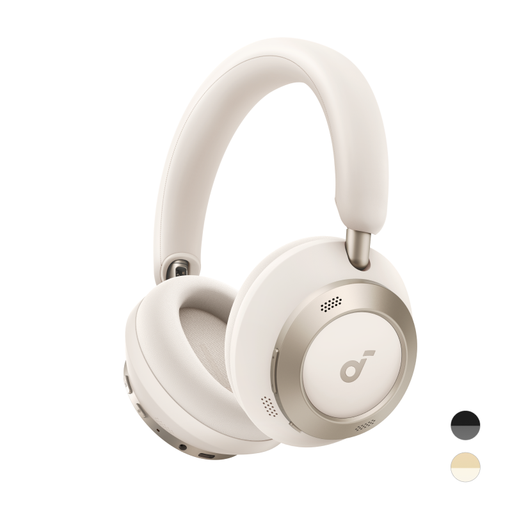
Why it suits this type of user: Designed for people who travel frequently, make calls every day and want headphones with long battery life. According to the product description, this model has adaptive active noise cancellation and six microphones.
The quoted battery life distinguishes between noise cancellation on and off. The foldable design also makes the headphones easier to transport.
Up to 60 hours without ANC, up to 40 hours with ANC, LDAC support and fast charging according to the product information.
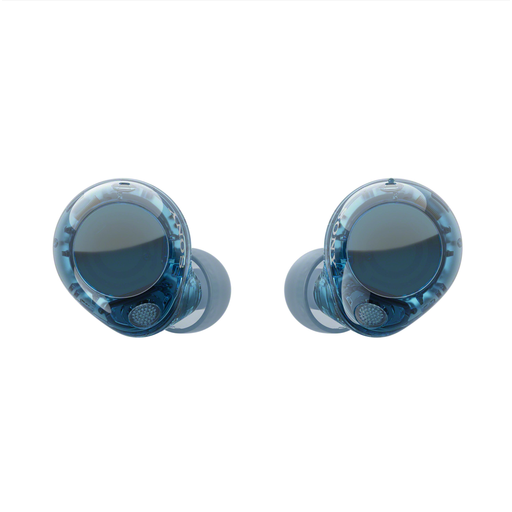
Why it suits this type of user: Compact wireless earbuds for travel, walking and everyday calls. According to Sony’s product information, they support multipoint, active noise cancellation and IPX4 splash resistance.
The product information clearly explains the limits of IPX4: the earbuds can handle splashes, but not immersion. Battery life is listed separately with ANC on and off.
Bluetooth 5.3, multipoint, microphone, charging case, active noise cancellation and a weight of 9.2 grams according to the product specifications.
We’ve put together a complete, up-to-date list of products that meet these strict selection criteria and current European safety regulations.
Turn on the headphones and activate pairing mode. Then open the Bluetooth settings on your phone and select the product name. If the device has been paired before, the headphones will usually reconnect automatically. If that doesn’t work, remove the old pairing and try again.
The listening time per charge depends on volume, connectivity and noise cancellation. The product’s overall lifespan is also affected by the battery, hinges, ear cushions and everyday care. Keep your headphones dry, charge them according to the instructions and avoid prolonged exposure to heat.
It depends on your surroundings. Active noise cancellation can be useful on trains and planes, or in a busy office. It adds less when you’re at home in a quiet room. So compare comfort, microphone quality and battery life, too, and check whether you can let in sounds from your surroundings.
