
Vandaag of morgen in huis

Kwaliteit gegarandeerd

Welkomstaanbiedingen ontgrendelen: GRATIS bezorging | Tot 80% korting | Gratis 30 dagen JoyPlus-proefperiode
Download de app
Buying wireless headphones seems straightforward until you have to choose between wireless earbuds, Bluetooth headphones, noise-cancelling headphones or sports earbuds. Marketing terms such as ‘hi-fi’, ‘AI noise reduction’ and ‘long battery life’ don’t always tell you much about how a product will perform day to day.
The right choice depends on your comfort, device, listening environment and how long you’ll use them for. Keep the points below in mind to avoid paying for features you’ll hardly ever use.
Manufacturers often state the maximum playback time, but this can vary depending on volume, codec, call time and ANC use. With earbuds, there are also two figures to consider: the battery life of the earbuds themselves and the total usage time including the charging case.
For example, the Sony WF-C710N is listed as offering up to 30 hours with noise cancelling and up to 40 hours without it. The Sony WH-CH520 is listed as offering up to 50 hours of battery life in the product information, while the technical specifications also state 40 hours. Always check which figure applies to the product.
An IPX4 rating means protection against splashes, not immersion. The charging case may also be less protected than the earbuds. According to the product information, the Sony WF-C710N is IPX4 splash-resistant, but the case must be dry before you charge the earbuds.
For sport and commuting, models with IPX4, IPX5 or IP57 are more practical than those without an IP rating. No rating means you should take your headphones swimming.
Noise-cancelling headphones use microphones and electronics to reduce background noise. The results vary depending on the type of sound, fit and surroundings. Low, constant sounds such as train or aircraft noise are generally easier to reduce than voices or sudden sounds.
Look for a transparency mode, too. It lets in surrounding sounds, which is useful in the office or when travelling. Don’t use ANC in situations where you need to hear traffic or warning sounds.
Over-ear headphones fully cover your ears and can be comfortable on long train journeys or during a full day at work. An on-ear model, such as the Sony WH-CH520, is lighter and more compact, but puts direct pressure on your ears.
With in-ear earbuds, fit is particularly important. Poorly fitting ear tips can reduce noise isolation and make the earbuds feel less secure. Models supplied with silicone tips in several sizes, such as the Apple AirPods Pro 3, give you more ways to find the right fit.
If you play sport, look for an ear hook, stability band or a higher IP rating. The Verbex K08, for example, uses an ear-hook design and bone-conduction technology, according to its product description. It offers a different wearing experience from a sealed in-ear model.
Bluetooth 5.2, 5.3 or 5.4 mainly indicates the Bluetooth generation used; it doesn’t automatically guarantee better sound. Also check:
Wireless headphones for music and calls also need a good microphone setup. The number of microphones is a specification you can check, but call quality can vary in windy or busy surroundings.
Choose a model that suits your routine. Headphones with long battery life are useful for travelling, but fast charging may be more important if you often forget to charge them. The Soundcore Space One is listed as offering up to 55 hours of playback and has both Bluetooth and a 3.5mm socket. According to the manufacturer, the Marshall Major IV offers more than 80 hours of wireless use and supports wireless charging.
Keep wireless earbuds in their charging case and make sure the charging ports stay dry. Clean earbuds with a soft, dry cloth and don’t use liquid in the openings. Check the warranty terms before you buy, too. Many models are covered by a two-year statutory minimum guarantee in the EU; additional manufacturer terms may vary by brand.
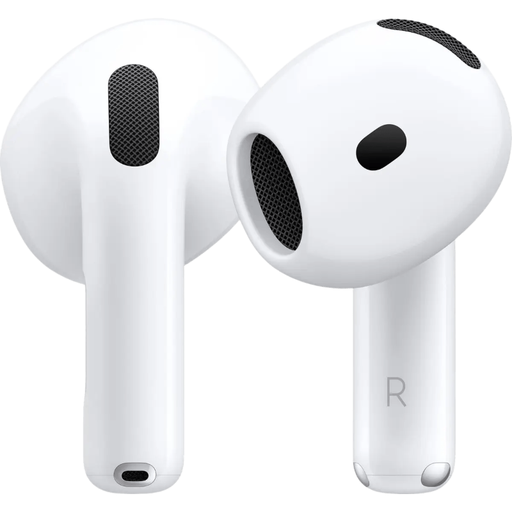
Why this suits this type of user: An easy-to-use true wireless option for everyday listening, films and calls, especially if you already use Apple devices.
The specifications don’t list active noise cancellation. So you won’t be paying for ANC if all you’re looking for is a simple Bluetooth connection.
Bluetooth 5.3, USB-C charging case, transparency mode and, according to the product information, more than 30 hours of total battery life.
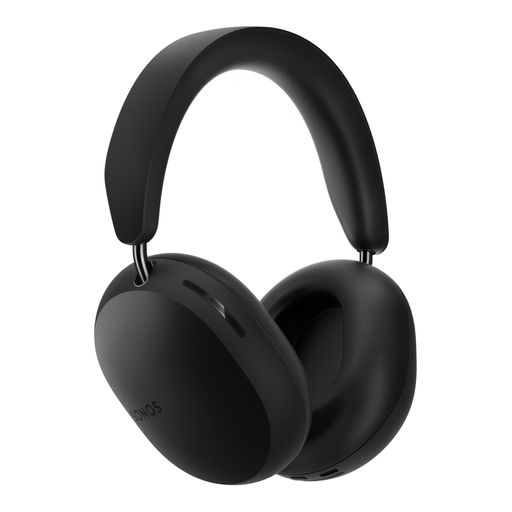
Why this suits this type of user: An over-ear model for music, films, travel and long listening sessions, where comfort and a wide range of connection options matter.
The battery claim specifies use with active noise cancellation: up to 30 hours according to the product information. This makes the usage conditions clearer.
Bluetooth 5.4, active noise cancellation, multipoint, USB-C and a 3.5mm socket; the specifications give the weight as 312 grams.
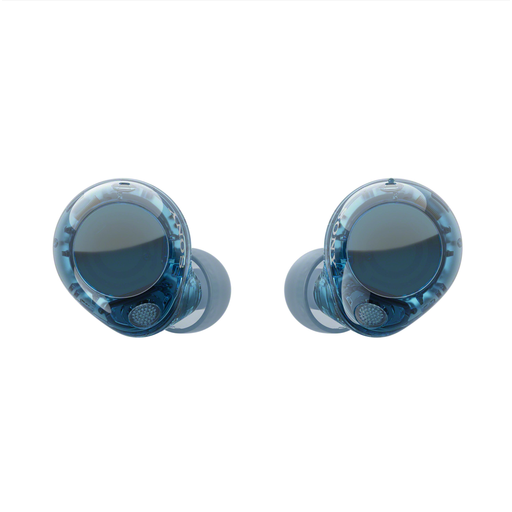
Why this suits this type of user: Ideal for commuting, the office and light exercise if ANC, multipoint and a compact charging case are important to you.
The product information lists playback time separately with and without ANC and states the IPX4 rating. This makes it easier to judge what the model can and can’t handle.
Bluetooth 5.3, multipoint, USB-C, active noise cancellation and up to 30 hours with ANC, according to the product information.
We’ve put together a complete, up-to-date list of products that meet these strict selection criteria and current European safety requirements.
Turn on Bluetooth on your phone, open the charging case or switch on the headphones, then select the model from the Bluetooth list. Some brands guide you through setup in their own app. If pairing doesn’t work, put the earbuds back in the case, check the battery and remove any old Bluetooth connection from your phone.
Battery capacity decreases over time. Practical lifespan depends on charging cycles, heat, storage and everyday use. Headphones with replaceable parts or a USB-C charging case may remain usable for longer. Keep the product dry and avoid exposing it to high temperatures for extended periods.
Power consumption during use is generally low. Most models charge via USB-C and use the most energy when ANC, high volumes or phone calls are in use. A charging case uses extra power, but you’ll normally only need to charge it periodically. Focus on the actual battery life with the features you use every day.
