
Vandaag of morgen in huis

Kwaliteit gegarandeerd

Welkomstaanbiedingen ontgrendelen: GRATIS bezorging | Tot 80% korting | Gratis 30 dagen JoyPlus-proefperiode
Download de app
Wireless headphones and earbuds may seem easy to choose at first glance. But models can vary considerably in comfort, battery life, noise isolation and suitability for sport or calls. A low price may be tempting, but a poor fit, unclear battery-life claims or a lack of water resistance can quickly limit how you use them.
Look out for these three common pitfalls:
First, choose between in-ear earbuds, over-ear headphones, on-ear models and open designs.
Also check the weight, whether the headband is adjustable and whether the earbuds stay securely in place when you move.
Headphones with long battery life are particularly handy for travel, work and everyday use. Don’t just look at one impressive figure. Check:
For example, the Baseus Bass EP10 Pro lists up to 11 hours of listening at 50% volume, and up to 55 hours including the charging case. The Sony WF-C710N lists up to 30 hours with noise cancelling and 40 hours without it. These figures are based on the conditions stated in the product information, so real-world battery life may vary depending on volume, codec and use of additional features.
Noise-cancelling headphones or ANC earbuds use microphones and electronics to reduce certain types of surrounding noise. Low, constant sounds such as train or aircraft noise are generally different from voices or sudden sounds. So use ANC as an aid, not as a guarantee of complete silence.
Also check:
Bluetooth 5.4 headphones won’t automatically sound better than every older model. The phone, codec, software and speakers you use also have an impact. If you mainly work on a computer, you could also browse our wireless headphones for PC.
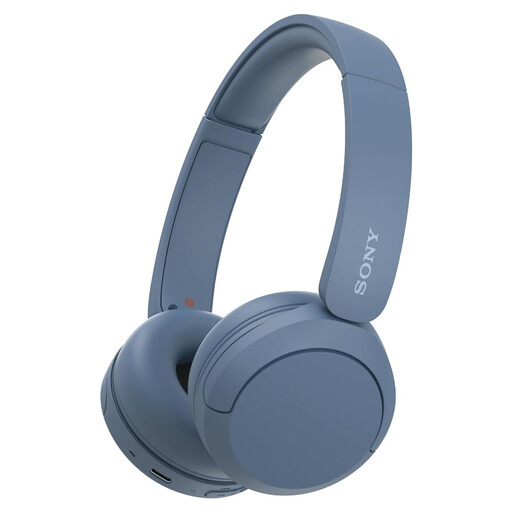
Why it suits this profile: This on-ear model is lightweight and compact, and designed for everyday listening, calls and use with a phone or laptop.
The product information lists specific features such as multipoint, USB-C and an adjustable headband, rather than relying only on general sound claims.
147 grams, Bluetooth, microphone, multipoint and up to 50 hours of battery life according to the product information.
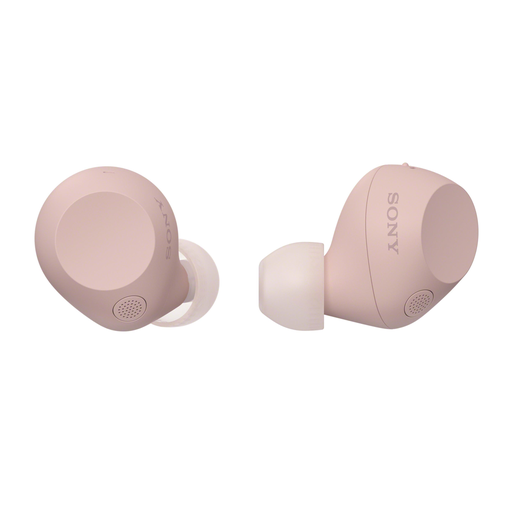
Why it suits this profile: Ideal if you’re looking for compact wireless earbuds with ANC, multipoint connectivity and adjustable features via the Sony Sound Connect app.
The stated battery life is broken down for use with and without noise cancelling. The IPX4 rating is also clearly limited to splashes and light rain.
Bluetooth 5.3, multipoint, ANC, DSEE and up to 40 hours of battery life according to the product information.
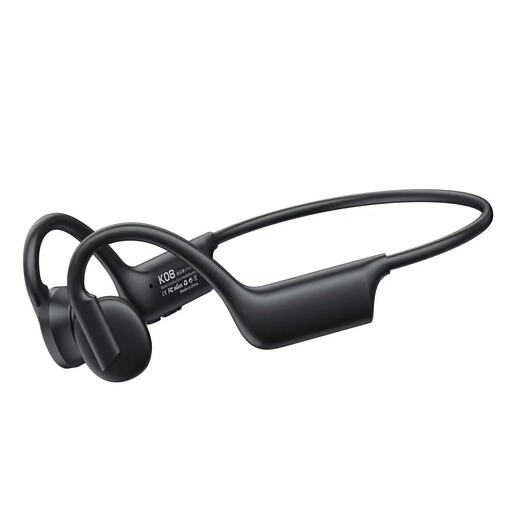
Why it suits this profile: Its open, lightweight design with an ear hook is made for running, cycling and situations where you want to stay aware of surrounding sounds.
The design doesn’t completely cover your ears. Do check the warnings about water and extreme temperatures, though: the product information doesn’t provide a comprehensive water-resistance rating.
Bluetooth, two-channel stereo sound, an ear hook, multipoint and a stated maximum battery life of 8 hours.
We’ve put together a complete, up-to-date list of products that meet these strict selection criteria and the applicable European safety regulations.
Open the Bluetooth settings on your phone, put the earbuds into pairing mode and select the product name. Apple AirPods often display a pairing screen on iPhones. On Android, pairing usually takes place through the Bluetooth menu. Then check that the microphone and volume are working correctly.
A single charge often provides between a few hours and around twelve hours of use, depending on the volume and features you use. Total battery capacity with the charging case can be much higher. The built-in battery’s lifespan decreases over time. Keep your earbuds dry, avoid exposing them to heat and charge them with a suitable USB-C charger.
Yes, active noise cancelling uses extra power. The difference varies from model to model, so always compare the stated battery life with ANC switched on and off. Turn ANC off when listening in a quiet room, and consider using transparency mode when you need to hear surrounding sounds.
