
Vowel listeners
You practise with downloaded example words and mainly want to judge whether you can distinguish the vowels clearly in your own recordings.


Choose headphones by listening to your own downloaded vowel recordings on your playback device; a brand name or individual specification is no proof that you’ll hear vowel differences more clearly. If you practise somewhere noisy, consider the fit and noise cancellation, and don’t simply turn up the volume. If you also record your own voice, test the combination of headphones, recording app and source device.
You practise with downloaded example words and mainly want to judge whether you can distinguish the vowels clearly in your own recordings.
You listen at home, on the go or in a shared space, and want fewer distractions without constantly turning up the volume.
You record your own voice and compare it with an example. That’s why you’ll want to test the headphones with your source device and recording app.
Start by listening to your own clips at a comfortable volume. Then compare fit, background noise and ease of recording, based on how you practise.
| What to consider | What to look for when buying | Who is this important for? |
|---|---|---|
| Distinguishing vowels | Listen to the same downloaded clips on your own device and keep the volume comfortable. | If I mainly want to hear which vowel difference is present in my practice recording, I need to be able to compare my own clips. Around 33% of consumers say distinguishing vowels is their top priority. |
| Listening in peace | Assess the fit and noise reduction in a similar environment; compare battery life using the same ANC setting. | When background noise distracts me, I want to follow the recording without turning up the volume. Around 27% of consumers prioritise a quieter experience and a comfortable listening volume. |
| Wearing comfort | Try the headphones during a practice session and check for pressure and warmth, including if you wear glasses. | If I repeat lots of clips in a row, I want the headphones to remain comfortable. Around 20% of consumers say long-term wearing comfort is their main buying concern. |
| Recording and listening back | Make a test recording using your own device and app, and check which microphone and audio output are active. | When I want to compare my pronunciation with an example, recording and listening back both need to work with my equipment. Around 20% of consumers put this combination first. |
The stated maximum may apply to settings that differ from the ones you use while practising.
Only compare battery life using equivalent settings, such as ANC and Bluetooth.
Bluetooth profiles for stereo playback and hands-free use have different functions. As a result, the active microphone or audio output may change when you use a recording app.
Make a test recording with your own device and app, then listen to both the example and your own voice.
Higher volume doesn’t guarantee that you’ll distinguish vowels more clearly. The World Health Organization recommends well-fitting, noise-cancelling headphones to make you less likely to turn up the volume in noisy places.
Reduce background noise where possible, and assess the recording and fit at a comfortable volume.
The WH-CH720N is an over-ear model you can compare for its features, connectivity and wearing comfort.
The Tune 770NC is an over-ear model to compare if you’re considering noise cancellation and switching between devices.
The ACCENTUM Wireless is an over-ear option to compare if you’re looking for hybrid ANC and adjustable sound.
The Space One is another option to compare for ANC, transparency mode and wearing comfort.
These Joybuy products are options for wireless practice using downloaded clips. Compare the fit and listen to your own files; product names and features don’t prove that a model reproduces vowel contrasts more clearly.
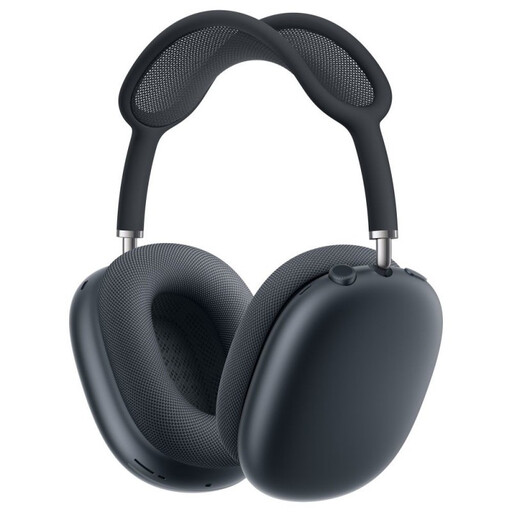 No image available
If background noise distracts you, assess for yourself whether the fit and noise cancellation suit your practice space.
 No image available
For longer wireless practice sessions, the stated battery life is worth considering; check which usage settings it applies to.
The product name states a battery life of 60 hours.
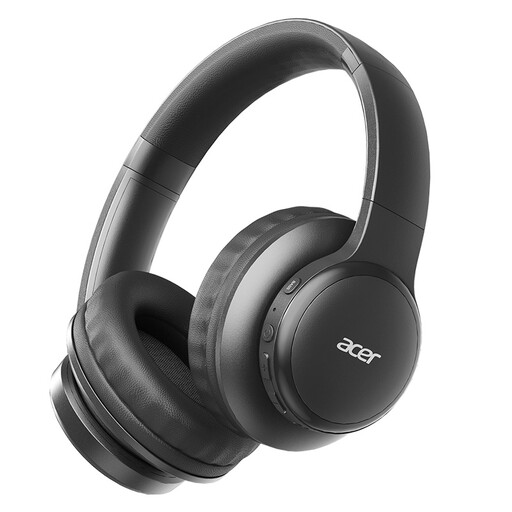 No image available
If you want to listen to individual clips wirelessly, check that the headphones pair with your source device.
The product name states Bluetooth 5.3 and a foldable design.
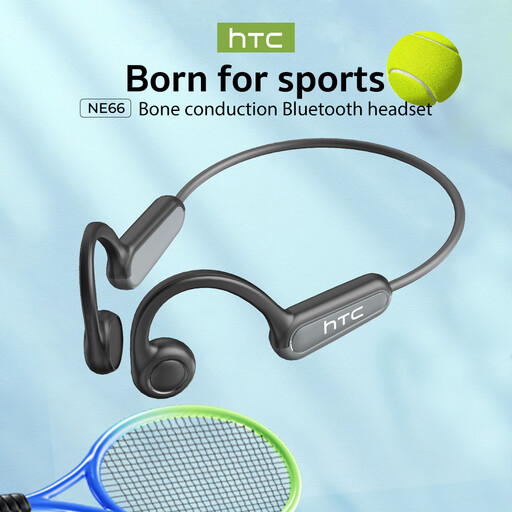 No image available
If you want to stay aware of background noise while practising, consider whether an open-ear design suits your listening environment.
The product name states Bluetooth 5.4 and an open-ear design.
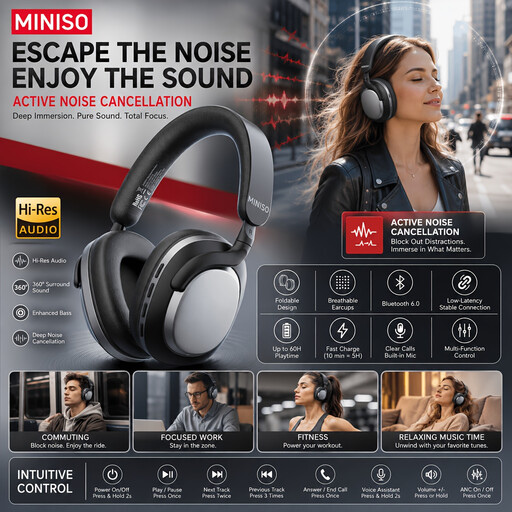 No image available
If you practise in a noisy environment, compare the fit and stated noise cancellation with your own clips.
The product name states noise cancellation and 24 hours of battery life; check which settings this figure applies to.
Not necessarily. Start by listening to your own clips in a quiet environment. If distracting background noise is an issue, well-fitting noise-cancelling headphones may help you avoid the temptation to turn up the volume. The World Health Organization recommends noise cancellation in noisy situations; assess how well it reduces noise where you listen.
Bluetooth profiles for stereo playback and hands-free calls have different functions. Check which microphone and audio output are active on your source device and in the app, and make a test recording before using this setup.
The World Health Organization recommends paying attention to sound levels and listening time. Listen at a comfortable volume, take breaks and don’t automatically turn up the volume to follow a difficult vowel difference.
According to the Dutch Government, when you buy online from a business you usually have a 14-day cooling-off period. If a product breaks or doesn’t meet the terms of the agreement, contact the seller about your statutory warranty.
No. The Dutch Government describes the CE mark as a declaration that a product meets the applicable EU requirements; it doesn’t assess whether the product is suitable for a specific listening exercise. Test how clearly you can distinguish vowels separately using your own recordings.