Choose headphones that let you compare practice recordings clearly at a comfortable, low volume. If background noise drowns out quiet passages, a good seal or ANC may be worth considering. If you practise aloud, also check how your own voice sounds with ANC off and, if your headphones have it, in transparency mode. None of the features mentioned proves that a particular model makes Dutch vowels easier to distinguish.
Who are they for?
Listeners practising with quiet vowel recordings
You compare Dutch vowels in quiet speech clips and want to hear them clearly at a comfortable volume. Research into Dutch vowels shows that how easy they are to perceive varies between vowel contrasts (Frontiers in Psychology).
Practising in a noisy room
You listen to quiet recordings with background noise around you and want to choose between a good seal and staying aware of your surroundings. The Dutch Consumers' Association points out that over-ear headphones take up space in your bag.
Listeners practising aloud
You repeat vowel sounds and want to check how your own voice sounds with your headphones on. Some models have transparency modes, but they don’t guarantee that you’ll hear yourself naturally.
What to consider when buying
Listening in a quiet room
A good fit if: you mainly practise in a quiet room and want to assess speech reproduction and fit.
Trade-off: ANC has not been shown to improve vowel discrimination in a quiet room.
Listening with background noise
A good fit if: noise around you drowns out quiet recordings, or you want to switch between listening and staying aware of your surroundings.
Trade-off: ANC and a good fit can help reduce distracting noise, but try the settings in your own surroundings.
Practising aloud
A good fit if: you want to switch between noise cancellation and hearing the sounds around you while repeating vowel sounds.
Trade-off: a transparency mode doesn’t automatically tell you how naturally your own voice will sound.
If possible, compare the same practice recordings at a comfortable volume. This helps you judge what works for your material and listening environment, without treating a general product specification as proof of better vowel recognition.
| Consideration |
What to look for |
Who is it important for? |
| Quiet speech |
Compare the same short passages and vowel pairs at a comfortable, low volume, with sound processing both on and off if you like. |
When I compare Dutch vowel pairs at a comfortable volume, I want to hear the differences in my practice material; around 36% of consumers prioritise quiet speech and vowel differences. |
| Background noise |
Try the fit and ANC in the place where you practise, and check how to switch on transparency mode. |
When background noise drowns out my quiet recordings, I want to keep listening to those passages without continually turning up the volume; around 29% of consumers prioritise peace and quiet in noisy surroundings. |
| Your own voice |
Repeat the same vowels with ANC off and, if available, in transparency mode; check that the recording keeps playing. |
When I practise aloud, I want to judge how my voice sounds with my headphones on; around 21% of consumers prioritise hearing their own voice while repeating sounds. |
| Comfort |
Wear the headphones long enough to assess the pressure from the headband and ear cushions, and check that the design suits how you’ll use them. |
During longer practice sessions, I don’t want pressure on my ears or head to distract me; around 14% of consumers prioritise wearing comfort. |
Pitfalls
-
Treating a wide frequency specification as proof of better vowel recognition
A product specification and listening to your own quiet Dutch practice recordings answer different questions.
Compare the same speech clips at a comfortable volume, and assess speech reproduction separately from general descriptions of music performance.
-
Choosing ANC without testing how your own voice sounds
When you repeat sounds aloud, how you hear yourself matters too. A transparency mode, if available, doesn’t prove that your voice will sound natural to you.
Try the same vowels with ANC off and in transparency mode before making your choice.
-
Comparing battery life without checking the listening mode
Quoted battery life may be based on different settings. JBL states that the maximum battery life quoted for the Live 770NC applies with Bluetooth on and ANC off.
Compare battery life only when the stated settings match; a manufacturer’s figure isn’t a measure of how long you’ll get from your own use.
Brands to consider
Sony
According to Sony’s Dutch specifications page, the Sony WH-1000XM6 is an over-ear model with ambient sound mode, multipoint and a detachable audio cable.
- May be worth considering if you want to switch between devices and listening modes.
- These model details don’t show that Dutch vowels are easier to distinguish or that your own voice will sound natural.
Sennheiser
Sennheiser lists over-ear ear cushions, adaptive ANC, transparency mode and up to 60 hours of quoted battery life for the MOMENTUM 4 Wireless.
- The different listening modes may be useful if you want to switch between listening and staying aware of your surroundings.
- The battery life and features are manufacturer claims, not a model-specific test with Dutch vowels. Try transparency mode while repeating sounds too.
JBL
JBL describes the Tune 770NC as an over-ear model with adjustable EQ, ANC, Ambient Aware and TalkThru.
- May suit you if you want to try controls for ambient sound and audio settings.
- These features don’t prove better vowel reproduction. Don’t assume that a planned future LE Audio update is already available.
Fairphone
Fairphone describes replaceable parts on the redesigned Fairbuds XL, including the battery and ear cushions.
- Relevant if repairability affects your choice of this model.
- The replaceable parts described say nothing about how well the headphones reproduce quiet speech; check the specific version and parts availability separately.
Joybuy product picks
This selection focuses on wireless over-ear headphones with noise-cancelling features or modes for hearing the sounds around you. Try the settings with your own practice recordings; these features don’t prove better vowel recognition.
 No image available
Sennheiser MOMENTUM 4 Wireless, black
May suit you if you want to try ANC when there’s distracting background noise and switch to transparency mode while practising.
Sennheiser lists adaptive ANC, transparency mode and up to 60 hours of quoted battery life. This quoted figure isn’t an independent measure of how long you’ll get from your own use.
View at Joybuy
 No image available
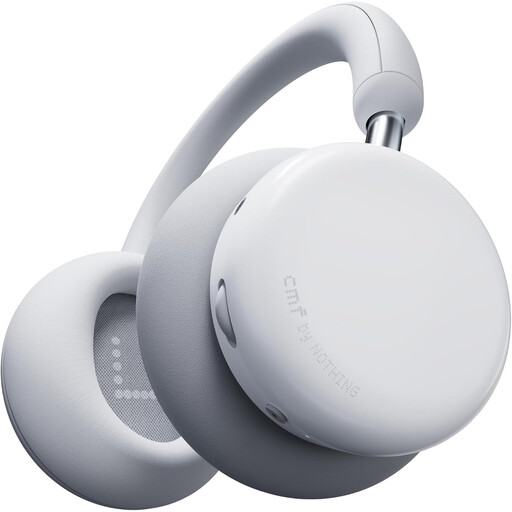
CMF by Nothing Headphone Pro, light grey
May suit you if you want to try ANC while listening in noisy surroundings, then switch to a mode that lets you hear what’s around you.
The product information lists hybrid ANC and a transparency mode. Try the settings with your practice recordings to see how they sound.
View at Joybuy
 No image available
Bose QuietComfort Ultra, black
May be worth considering if you want to try noise cancellation with quiet recordings in a noisy environment.
The product information lists Bluetooth and listening via an audio cable. Check which connection options and accessories come with this version before use.
View at Joybuy
 No image available
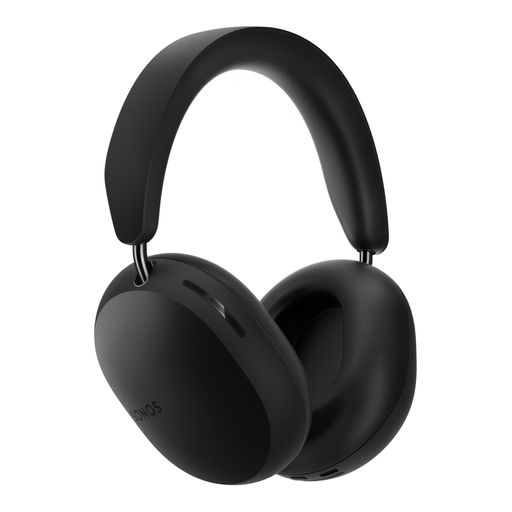
Sonos Ace, black
May suit you if you want to try ANC in noisy surroundings and switch to a mode that lets in ambient sound while practising.
The product information lists active noise cancellation, a Transparency mode, adjustable EQ and connection to two devices at once.
View at Joybuy
 No image available
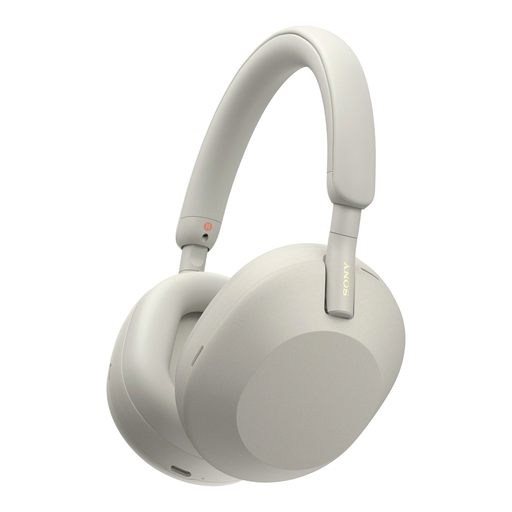
Sony WH-1000XM5, silver
May be worth considering if you want to try noise cancellation while listening in a noisy environment.
The product information lists LDAC, pairing with two devices and Speak-To-Chat, which pauses music when you start speaking.
View at Joybuy
Frequently asked questions
Should ANC be on when I’m practising vowels in a quiet room?
No, ANC doesn’t automatically need to be on. In a quiet room, compare the same passages with ANC on and off at a comfortable volume; ANC has not been shown to improve recognition of Dutch vowels.
How should I set up my headphones when repeating vowel sounds aloud?
Start with a comfortable, low volume, then try ANC off and, if your headphones have it, transparency mode. Check that the recording keeps playing and listen to how your own voice sounds.
How can I avoid continually turning up the volume for quiet passages?
First check the fit and try to reduce distracting background noise rather than simply turning up the volume. The World Health Organization advises keeping the volume low and taking both sound level and listening time into account. Its suggested limit of no more than 60% of your device’s volume isn’t a measurement of the sound level at your ear.
What if the fit isn’t right at home or the product develops a fault?
For online purchases in the Netherlands, ACM ConsuWijzer says you’ll usually have a statutory 14-day cooling-off period after delivery, although exceptions may apply. If a product is faulty, the Dutch government says the retailer is your point of contact for a solution; a manufacturer’s guarantee doesn’t replace your statutory rights.


