What should you look for when choosing?
First, choose a style that suits where you listen and how long you practise. Then compare the controls, fit and sound mode you actually plan to use.
Wireless over-ear headphones
A good fit if: you have longer practice sessions and find a headband comfortable. Compare the fit, controls and adjustable sound using your own recordings.
Bear in mind: over-ear headphones are less compact than earbuds. ANC doesn’t guarantee that voices will disappear or that vowels will be easier to distinguish.
Wireless in-ear earbuds
A good fit if: you want to practise in short bursts on the go and can get a good fit with different ear tip sizes.
Bear in mind: fit and comfort vary from person to person. Compare playback time per charge with the length of your sessions, separately from the total battery life including the charging case.
| What to consider |
What to look for |
Who is it important for? |
| Comparing recordings |
Test short recordings, pausing, rewinding and any EQ settings under the same conditions. |
If I want to assess differences in sound, I need to be able to replay the same recording easily. That’s why around 36% of consumers prioritise comparing vowels. |
| Comfort and listening time |
Try on the headphones or different ear tips, and compare battery life using the same ANC setting. |
When listening to several recordings in a row, I want to stay comfortable without having to interrupt my practice session to charge. Around 29% of consumers prioritise wearing comfort and uninterrupted listening. |
| Background noise |
Try ANC and ambient mode in your usual listening environment, and keep the volume moderate. |
If background noise distracts me, I want to follow my recording without turning up the headphones unnecessarily. Around 21% of consumers give top priority to managing background noise. |
| Taking them with you |
Check the fit, how easy they are to use on the go, and the earbuds’ playback time per charge. |
For short practice sessions in different places, I want something compact that stays securely in place. Around 14% of consumers value portability above all. |
Joybuy products
These Joybuy product options include wireless over-ear headphones and open-ear earbuds to compare for repeated listening, adjustable sound or short practice sessions on the go.
 No image available
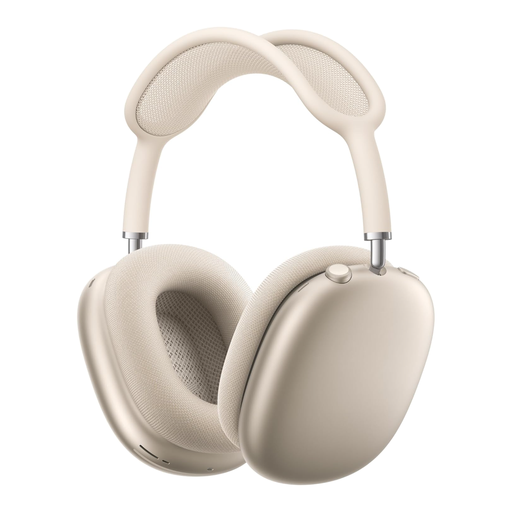
AirPods Max 2 – Starlight
An over-ear option to compare if you want to try different listening modes with the same practice recording.
The product information lists ANC, Adaptive Audio, Conversation Awareness and Transparency, as well as a mesh headband and ear cushions.
View at Joybuy
 No image available
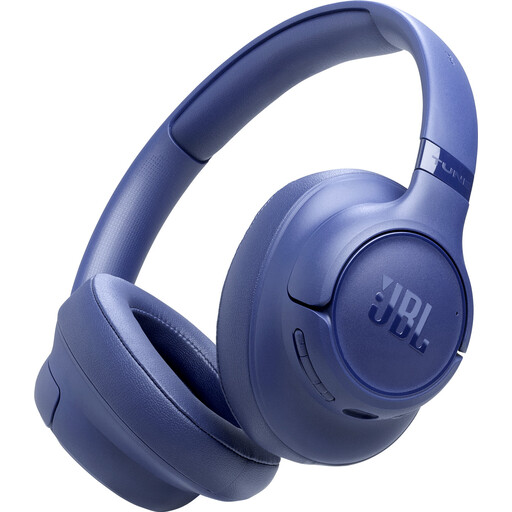
JBL Tune 730BT – Blue
An over-ear model to compare if you want to try EQ settings with the same recording.
The product information lists Vocal EQ presets and multipoint connectivity; quoted battery life is up to 76 hours.
View at Joybuy
 No image available
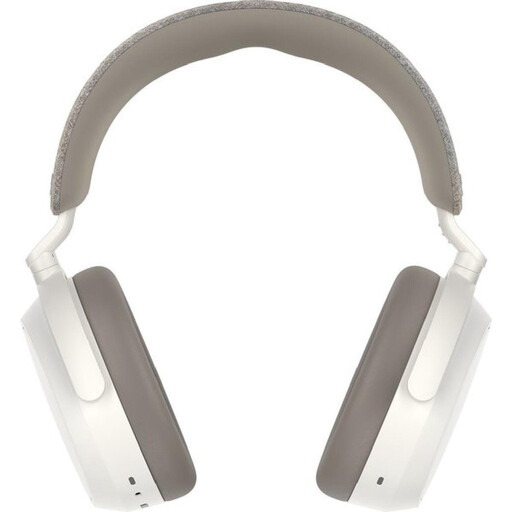
Sennheiser MOMENTUM 4 Wireless – White
An over-ear option to compare if sound settings and easy replay controls matter to you.
The product name quotes up to 60 hours of battery life. The product information lists adjustable EQ and touch controls for playing, pausing and skipping tracks.
View at Joybuy
 No image available
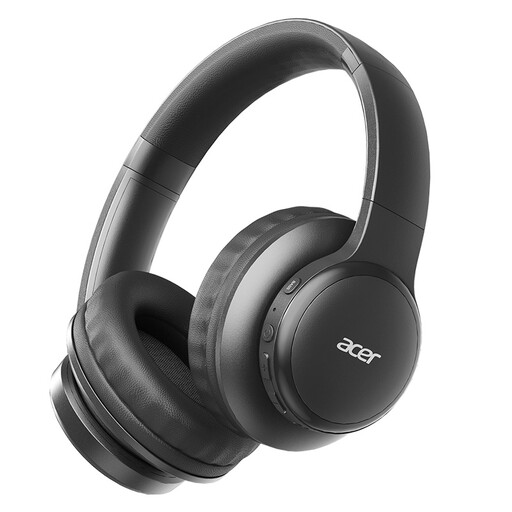
Acer OHR559
A foldable model to consider if you want to take headphones with you for practice sessions in different places.
The product name lists Bluetooth 5.3, ACS Spatial Audio, a low-latency mode and a USB-C charging port.
View at Joybuy
 No image available
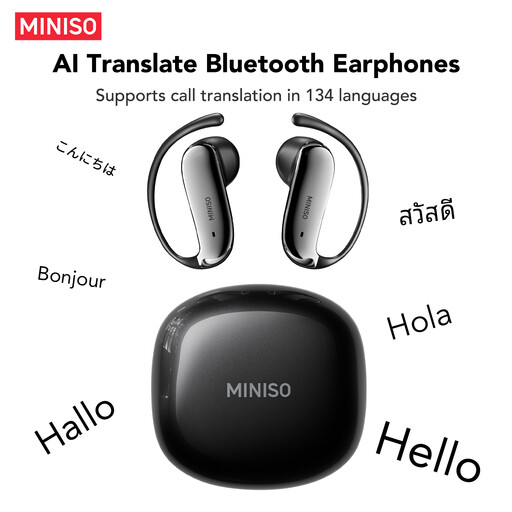
MS218 Open-Ear Bluetooth 6.0 Earbuds – Black
An open-ear option to compare if you want to stay aware of background noise during short practice sessions.
The product name lists Bluetooth 6.0 and real-time AI translation in 134 languages.
View at Joybuy
Frequently asked questions
Do I need ANC to practise Dutch vowels?
No. There’s no evidence that ANC is necessary for this exercise or that a particular model improves your ability to hear vowels. Compare your own recordings with ANC on and off. Noise cancellation may reduce some background sounds, but it doesn’t work in the same way for every sound.
How can I avoid turning the volume up too high when listening repeatedly?
Consider both the volume and your total listening time, and don’t automatically turn the sound up to drown out background noise. The World Health Organization’s safe listening standard gives 80 dB for 40 hours per week as a reference for adults; this doesn’t mean a particular volume setting on your device will produce that level.
What should I check before I start practising?
Connect the headphones to the device you’ll be practising with, then try pausing, replaying and any sound settings with the same recording. If you’re using in-ear earbuds, also check that they fit properly; a poor fit may reduce the effectiveness of ANC.
Do I have a cooling-off period and statutory guarantee in the Netherlands?
Online consumer purchases generally come with a 14-day cooling-off period after delivery; ACM ConsuWijzer notes that exceptions may apply. You’re also entitled to a product that meets the standards you can reasonably expect when using it normally. According to the Dutch Government, there is no fixed statutory guarantee period in the Netherlands.
Can wireless headphones be sold in the Netherlands without a CE mark?
No. According to the Dutch Authority for Digital Infrastructure, only radio equipment that meets the applicable requirements and carries the required CE mark may be placed on the market in Europe. Check the mark on the specific product you’re considering.


