
If you want to compare vowels
You listen to several Dutch recordings one after another and want to use your own clips to judge whether you can compare the vowels accurately.


Start by comparing your own recordings at a comfortable, moderate volume. An EQ setting or another technical specification doesn’t prove that you’ll be better able to distinguish Dutch vowels. Choose ANC or an ambient mode if surrounding noise disrupts your practice, and consider fit and battery life in the mode you use for longer sessions. You don’t need multipoint to play different files on one device; this feature only matters if you switch between, for example, a phone and a laptop.
You listen to several Dutch recordings one after another and want to use your own clips to judge whether you can compare the vowels accurately.
You practise somewhere with distracting background noise and want to weigh up whether a good seal or ANC might help, without turning the volume up unnecessarily or losing awareness of your surroundings.
You play several clips one after another and care about comfort, controls and battery life in the listening mode you use.
Start by comparing your own recordings, then consider background noise, comfort and the devices you listen on. Research into Dutch vowel contrasts describes the listening task, but doesn’t prove that a particular pair of headphones works better for it.
| What to consider | What to look for | Who is this important for? |
|---|---|---|
| Comparing vowels | Play the same recordings at a similar, moderate volume and compare settings. Also consider the quality of the clips. | If I want to judge small differences in my own recordings, I need to be able to compare the clips fairly. Around 36% of consumers prioritise vowel detail. |
| Listening without distractions | Compare the fit, ANC and ambient mode where you practise; none of these options guarantees that every distracting sound will disappear. | When noise around me distracts me, I want to listen in peace without constantly turning up the volume. Around 29% of consumers prioritise a quieter practice session. |
| Comfort during repeated listening | Assess the fit during a longer session and compare battery life with ANC on or off, depending on how you use your headphones. | If I listen to several recordings one after another, I want my headphones to remain comfortable. Around 21% of consumers prioritise long-lasting comfort. |
| Devices and controls | Check that the headphones connect to your playback device and that the controls work with your practice app; multipoint is mainly useful with two devices. | When my recordings are stored on, for example, a phone and a laptop, I want to switch between those devices easily. Around 14% of consumers prioritise switching between playback devices. |
An EQ or music mode, or a claim about sound quality, doesn’t by itself show how well you’ll be able to compare Dutch vowels with those headphones.
Test the same clips with different settings, keeping the volume similar and moderate.
JBL states that the Tune 770NC offers up to 70 hours with ANC off and up to 44 hours with ANC on. Sony quotes up to 50 hours for the WH-CH720N with noise cancelling off and 35 hours with it on. These are quoted maximums for different modes.
Only compare battery life using the same settings, and check the figures for the mode you use.
Multipoint lets you stay connected to multiple devices; you don’t need it to move on to the next recording on a single device.
First check which devices your recordings are stored on and how your practice app handles files.
According to the Dutch government, statutory rights apply alongside any additional warranties. There is no fixed statutory warranty period in the Netherlands; the retailer is your point of contact if there’s a problem with a product.
If you’re considering an additional warranty, compare the extra rights it offers and check its terms and exclusions.
The ACCENTUM Wireless is an over-ear model worth comparing if you’re considering a podcast mode, adjustable EQ and ANC.
The WH-CH720N is a closed-back over-ear model with an ambient mode and a socket for a detachable audio cable.
The Tune 770NC is a foldable over-ear model worth considering if you want to switch between playback devices or use an ambient mode.
The Fairbuds XL range may be worth considering if replaceable parts, a battery you can replace yourself, and listening via Bluetooth or USB-C matter to you.
The Space One is an over-ear model worth comparing if adjustable transparency and battery life are important to you.
This selection includes wireless over-ear headphones and in-ear earbuds to compare for practising with recordings. Try them with your own material to assess the listening mode, fit and controls.
 No image available
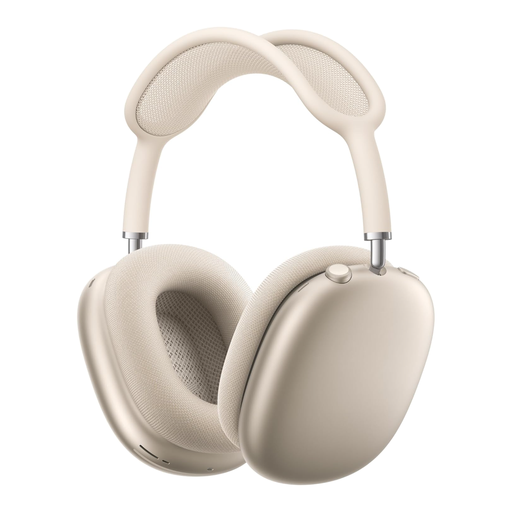
An option worth comparing if you’d sometimes like to hear your surroundings while practising and comfort matters to you.
 No image available
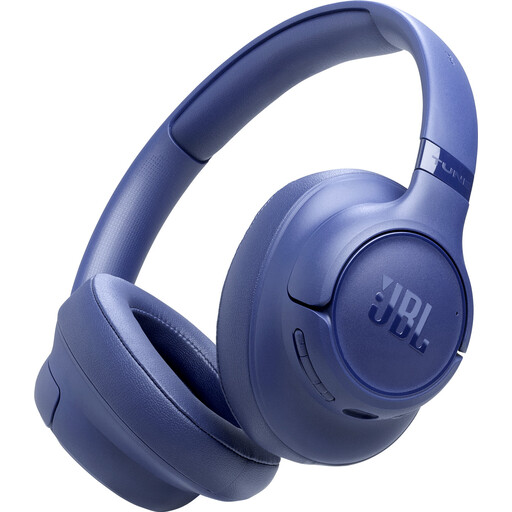
A wireless over-ear option worth comparing if you want to factor EQ settings or listening from two Bluetooth devices into your choice.
 No image available
An over-ear option worth comparing if you want to weigh up sound settings and sometimes hear your surroundings while listening.
 No image available
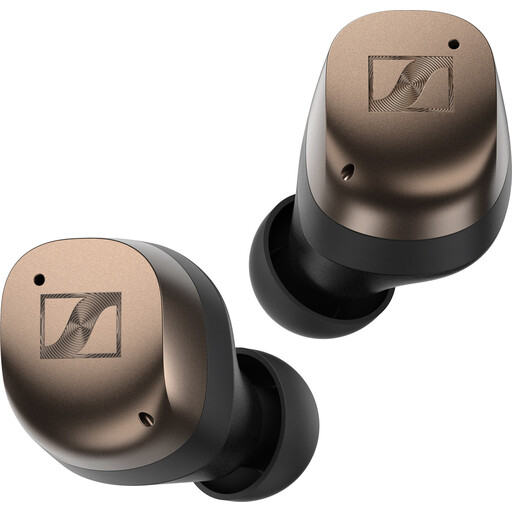
An in-ear option worth comparing if you’re looking for a different fit and want to weigh up listening settings using your own recordings.
 No image available
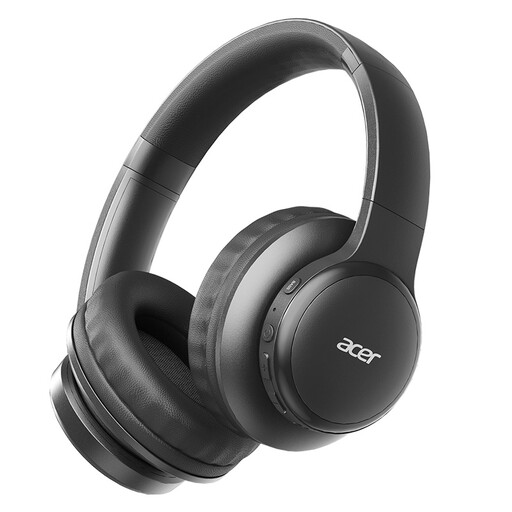
A wireless option worth comparing if you’re looking for a foldable model to take with you. Check that the controls suit the way you practise.
Bluetooth 5.3 is listed in the product name.
No, not if you’re switching between files on one phone or computer. Multipoint is designed to connect to two separate Bluetooth devices; also check that the controls work with your practice app.
Start at a moderate volume, take regular breaks and don’t turn the volume up to drown out background noise. The World Health Organization gives 80 dB for up to 40 hours a week as an example; this isn’t a guaranteed safe level for every individual.
According to the Dutch government, online distance purchases from a business generally come with a 14-day cancellation period. You’re also entitled to a product that meets the statutory requirements, with no fixed statutory warranty period; the retailer is your point of contact if there’s a problem with the product. Additional warranties don’t replace these statutory rights.