
For listening to long stories
You listen to several recordings in a row and want to follow the speech clearly, without uncomfortable pressure on your ears.


For listening to several spoken-word recordings in Dutch, wireless headphones are a good fit if you can follow speech at a comfortable volume and they remain comfortable to wear throughout your listening sessions. Start with a familiar clip and assess speech clarity and fit separately; the Consumentenbond also treats sound quality and wearing comfort as separate test criteria. Then decide how much background noise you want to block out or let in, and compare battery life only when the settings are the same.
You listen to several recordings in a row and want to follow the speech clearly, without uncomfortable pressure on your ears.
You want to follow a story despite background noise, but still be able to hear people or announcements when needed.
You often take your headphones with you and may switch between your phone and computer, so size, controls and connectivity can all matter.
When listening to several spoken-word recordings in Dutch, speech clarity, wearing comfort, background noise, size and controls may each be a different priority.
| What to consider | What should you check? | Who is this important for? |
|---|---|---|
| Speech clarity | Listen to a familiar clip at a comfortable volume; assess speech separately from noise cancellation. | If you listen to several stories in a row, you’ll want to follow the words without constantly turning up the volume. Around 31% of consumers put speech clarity first. |
| Wearing comfort | Try over-ear, on-ear and in-ear styles to see how they feel; pay attention to pressure during longer listening sessions. | If you’re listening to a long series of recordings, you’ll want a fit that stays comfortable. Around 25% of consumers put long-term wearing comfort first. |
| Background noise | Check whether you can block out noise and, if needed, hear your surroundings or pause quickly. | If you listen in different places, you’ll want to reduce distractions while still being able to hear people or announcements. Around 19% of consumers put control over background noise first. |
| Portability | Compare the size of folded headphones or a charging case with the style you find comfortable. | If you often take your headphones with you, a compact design is important. Around 13% of consumers name portability as their top priority. |
| Controls and battery | Check the controls, Bluetooth support and stated battery life with the settings you use. | If you switch between your phone and computer, you’ll want to pause and resume recordings easily. Around 12% of consumers give the most weight to controls, switching between devices and battery life. |
Reducing background noise and how clearly spoken words come through are two different things to assess.
Listen to a spoken-word clip and assess the fit and noise cancellation separately.
Stated battery life can vary depending on whether noise cancellation is on or off.
Compare manufacturers’ figures only when the settings match, and bear your own usage in mind.
On-ear models rest on your ears and may put them under more pressure; the fit of in-ear headphones varies from person to person.
Try your chosen style during a listening session that reflects how you’ll really use it.
According to the Government of the Netherlands, there is no fixed statutory warranty period in the Netherlands.
Before deciding, check exactly what cover a voluntary extended warranty offers.
The WH-CH720N is an over-ear model with noise cancellation and an Ambient Sound mode, while the more compact WH-CH520 is an on-ear model.
JBL describes the Tune 770NC as foldable over-ear headphones with noise cancellation and a connection to two Bluetooth devices.
The Q20i is an over-ear model worth comparing if you’re looking for noise cancellation and a connection to two devices.
Philips lists the TAH6509BK/00 as wireless over-ear headphones with adaptive noise cancellation.
This Joybuy selection includes wireless over-ear and on-ear headphones to compare for listening to several spoken-word recordings. For each model, assess the fit, how you want it to handle background noise and its battery life for your type of use.
 No image available
An over-ear option to compare if you listen to several stories in a row.
Noise cancellation; stated battery life of 60 hours. Not water-resistant.
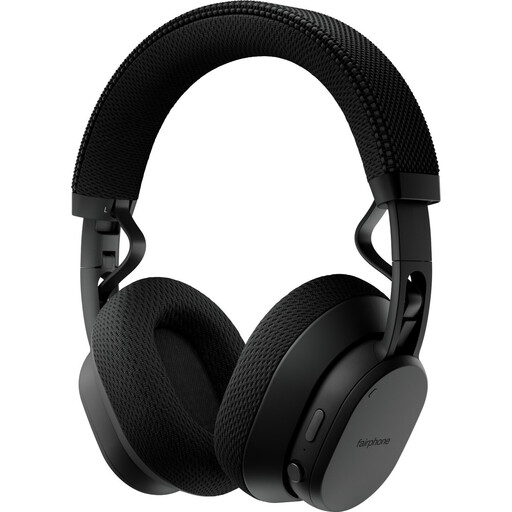 No image available
An over-ear option to compare if comfort during longer listening sessions is important to you.
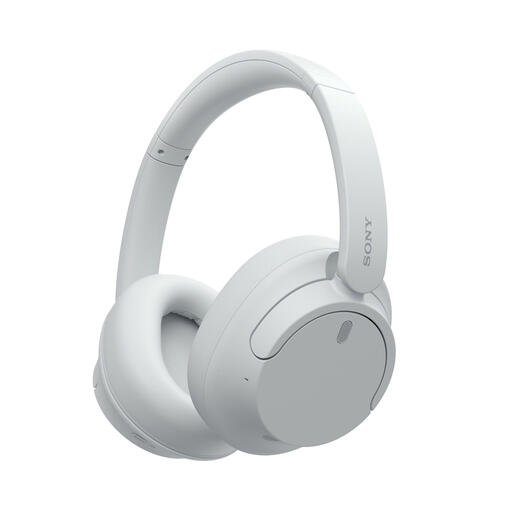 No image available
An option if you want to reduce background noise but still let some sounds from your surroundings in when needed.
Noise cancellation and Ambient Sound mode. Sony states that it offers up to 35 hours with noise cancellation on.
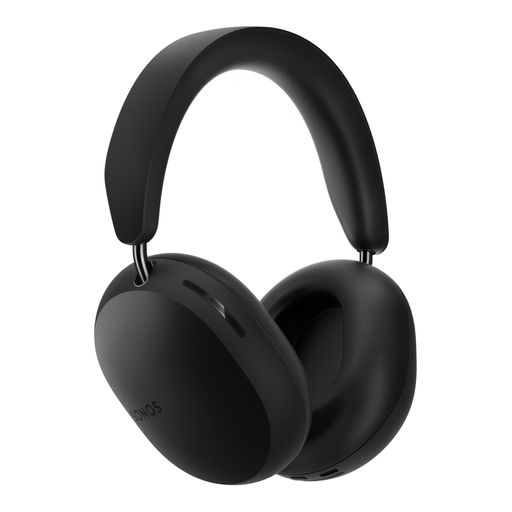 No image available
An over-ear Bluetooth model to compare if you want to block out noise at times and hear your surroundings at others.
The description lists ANC and an Aware mode. Multipoint requires registration in the Sonos app.
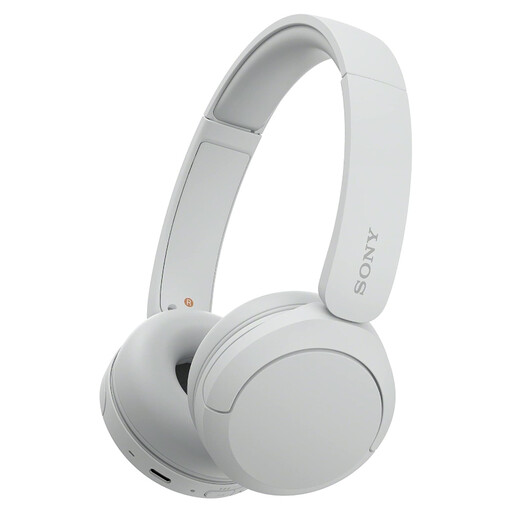 No image available
A compact on-ear option if you often take your headphones with you. Also check that the pressure on your ears remains comfortable during longer sessions.
Sony states that it offers up to 50 hours of battery life.
No, not necessarily. First, check whether you can follow the words at a comfortable volume. Noise cancellation may be useful if background noise distracts you, but it doesn’t in itself tell you how clearly a recording will sound.
Check that the headphones feel comfortable and keep the volume at a pleasant level. The World Health Organization identifies sound level, listening duration and frequency of exposure as factors linked to hearing risks; a longer battery life is no reason to listen at a higher volume.
Check that the headphones work via Bluetooth with your playback devices, then test pausing and resuming. If you want to switch between two devices, check whether the exact model supports multipoint; soundcore, for example, lists this feature for the Q20i.
The Dutch Authority for Digital Infrastructure states that equipment sold in Europe must carry the required CE marking. This general sales requirement doesn’t confirm that a specific model or individual product complies; check the marking and product documentation for the item you’re considering.