
Language learner listening at home
Wants to replay conversations and, above all, hear whether voices in their own lesson recordings sound natural. The Consumentenbond includes speech clips when assessing headphones.


Choose based on how natural your own recorded lesson conversations sound: ANC reduces background noise, but it doesn’t prove that voices in the recording will sound clearer. Then consider a fit that stays comfortable throughout a lesson and a reliable connection to your phone or computer. If you’re out and about, portability and awareness of your surroundings matter too.
Wants to replay conversations and, above all, hear whether voices in their own lesson recordings sound natural. The Consumentenbond includes speech clips when assessing headphones.
Wants to follow spoken exercises without constantly turning up the volume, and sometimes needs to hear surrounding sounds too. The WHO recommends well-fitting headphones and notes that noise cancellation may help in noisy situations.
Considers comfort throughout a full lesson, how easy the headphones are to carry and whether they connect to the device where the recordings are stored. The Consumentenbond points out that over-ear models take up more room in a bag.
Start with a familiar lesson clip and assess how clearly speech comes through. Then consider how much background noise, fit, device connectivity and portability matter to you.
| What to consider | What to look for | Who is this important for? |
|---|---|---|
| Understanding conversations | Listen to a familiar Dutch clip and assess quiet voices, as well as how easy it is to pause and replay. The Consumentenbond tests speech clips separately. | If I mainly want to hear whether the voices in my lesson recording sound natural, speech reproduction comes first. Around 31% of consumers prioritise being able to understand conversations. |
| Disruptive noise | Compare the fit, ANC and ambient mode in the place where you actually study; reducing background noise doesn’t tell you how clear a recording will sound. | When the noise around me drowns out my lesson, I want more peace and quiet but sometimes still need to be able to hear people. Around 25% of consumers give reducing background noise top priority. |
| Comfort | If possible, try the headphones during a realistic listening session, including with glasses if you wear them. Over-ear headphones can take up more room in a bag; on-ear headphones may put more pressure on your ears. | For a full lesson, I don’t want pressure on my ears or around my glasses to become uncomfortable. Around 19% of consumers choose mainly based on fit and comfort. |
| Device connectivity | Check Bluetooth on your phone or computer and pair the headphones before your lesson. A second connection to another device is mainly useful if you switch between devices. | If my lesson recordings are on a computer, the connection needs to work reliably with it. Around 13% of consumers prioritise connectivity with the playback device. |
| Portability and surroundings | Compare size and fit, and check the earbuds’ listening time per charge separately from the total listening time with a charging case. Also consider when you want to remain aware of surrounding sounds. | If I take my lessons with me, I want something that’s easy to put away and doesn’t completely block out my surroundings in some situations. Around 12% of consumers prioritise this combination. |
Noise cancellation targets the sounds around you; it won’t tell you whether voices in a lesson recording sound natural.
Try one of your own lesson clips and assess speech reproduction and background noise reduction separately.
Sony quotes up to 35 hours with NC on and 50 hours with NC off for the WH-CH720N. soundcore quotes up to 40 hours with ANC on and 60 hours in standard mode for the Q30. These manufacturers’ figures are based on different settings.
Only compare battery life using the same listening settings, and don’t treat the quoted hours as a measure of lesson time.
Your statutory rights against the seller are separate from any optional warranty or protection plan, according to ACM ConsuWijzer.
First find out what your statutory warranty covers, then consider the terms of any additional plan.
The WH-CH720N is a closed-back over-ear option to compare if ANC and an ambient mode matter to you.
The foldable Tune 770NC is an over-ear option for anyone who switches between devices or sometimes wants to let in ambient sound.
The ACCENTUM Wireless is an over-ear option for anyone who wants to try different settings with recorded conversations.
The Q30 and Liberty 4 Pro represent different styles: over-ear and compact in-ear.
This selection includes wireless over-ear, on-ear and in-ear models to compare for listening to lesson recordings.
 No image available
An over-ear option to compare if you also want to reduce background noise during lessons; assess the voices separately using your own recording.
The product title mentions noise cancellation and up to 60 hours of battery life. Check the usage settings when comparing battery life.
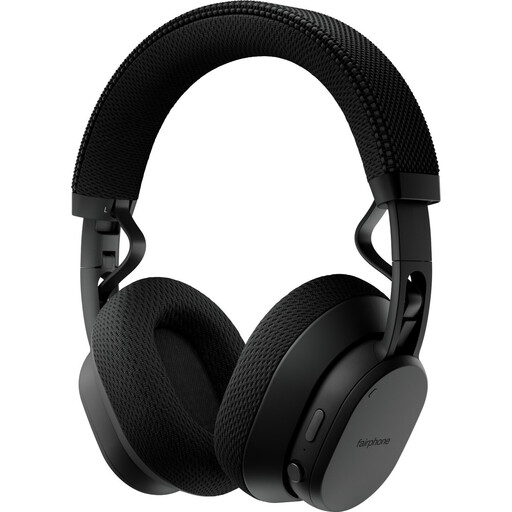 No image available
An over-ear option to compare if you prefer a headband for longer lessons. When trying them on, check that they stay comfortable throughout a full listening session.
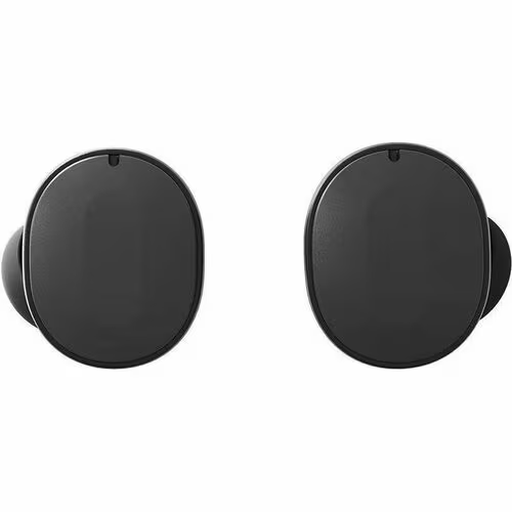 No image available
A compact in-ear option to compare if easy storage matters. Check that the fit stays comfortable while you listen.
 No image available
This over-ear option is worth considering if you want to compare wireless noise-cancelling headphones; test voice reproduction with your own lesson recording.
Sony quotes up to 35 hours with NC on and 50 hours with NC off for the WH-CH720N.
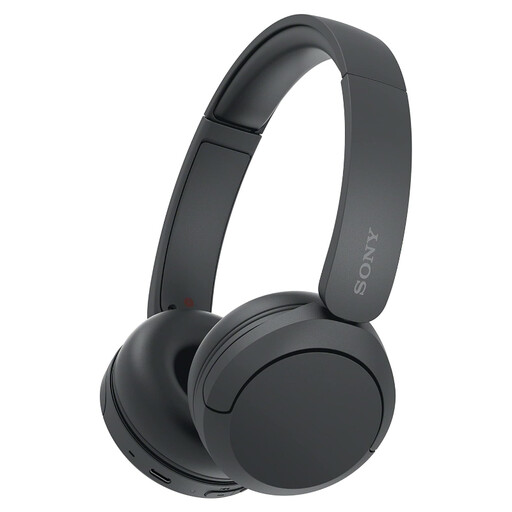 No image available
An on-ear option to compare if you’re looking for a compact headband. Try the headphones on to see whether the pressure on your ears stays comfortable.
Not necessarily. Assess speech reproduction using your own recording and test ANC separately in your listening environment; the Consumentenbond treats speech and background noise reduction as separate features.
Check that your computer supports Bluetooth and pair the headphones following the manufacturer’s instructions. Microsoft lists a USB Bluetooth adapter as an option if your computer doesn’t have Bluetooth.
The WHO recommends keeping the volume moderate, taking listening breaks and using well-fitting headphones. In noisy places, noise cancellation can help stop you from continually turning up the volume. The WHO suggests a maximum of 60% of your device’s volume as a practical guideline, not as a legal limit in the Netherlands.
Bluetooth headphones placed on the market in the Netherlands are subject to the applicable EU rules for radio equipment. The manufacturer must assess the required conformity, draw up an EU Declaration of Conformity and affix the CE marking; a product listing alone doesn’t prove conformity.