
Listening in noisy study spaces
You mainly follow recorded conversations on a train, in a café or in a shared study space, and want to reduce background noise without constantly turning up the volume.


For listening in a noisy place, start with well-fitting in-ear or over-ear headphones with noise cancellation. If you want to stay aware of people around you while on the move, compare open-ear earbuds with models that have an ambient mode. Try the fit and controls, and compare battery life in the mode you actually use: quoted maximums don’t automatically apply when noise cancellation is on.
You mainly follow recorded conversations on a train, in a café or in a shared study space, and want to reduce background noise without constantly turning up the volume.
You switch quickly between listening and interacting with people around you. An open design or an easily accessible ambient mode is worth considering.
You also speak Dutch using a phone or laptop, so alongside listening comfort you need to check the microphone, call controls and connection to your learning device.
| What to consider | What should you check? | Who is this important for? |
|---|---|---|
| Following conversations with background noise | Try a recorded conversation in a familiar noisy place. Compare the fit and test the ambient mode at a safe listening volume. | If I want to follow conversations on, for example, a train or in a café, clarity comes first. Around 31% of consumers say understanding conversations in background noise is their top buying priority. |
| Staying aware of your surroundings on the move | Check how quickly you can pause or switch to ambient sound. When cycling, keep the volume low and don’t hold your phone. | Between campus buildings, I want to stay aware of people and traffic. Around 25% of consumers prioritise awareness of their surroundings while travelling. |
| Fit and portability | Try different included ear tip sizes or wear the headband for a while. Also check how the headphones can be stored. | If I carry my headphones around and take them on and off often, I want a comfortable design that’s practical to store. Around 19% of consumers prioritise fit and portability. |
| Joining in using learning devices | Test the microphone and call controls with your own learning app. If you use both a phone and a laptop, check that switching between them works. | For speaking exercises, I want to take part and switch between my learning devices if needed. Around 13% of consumers put interactive calls and device switching first. |
| Battery life and maintenance | If you use noise cancellation, compare battery life with it switched on. Check whether parts are available for the exact model. | If I want to use a device for longer and avoid interruptions to charge it, I look at battery life and repair options. Around 12% of consumers make battery life and maintenance their top priority. |
Manufacturers may quote different maximum battery life figures with noise cancellation switched on and off. A maximum quoted with the feature off doesn’t necessarily tell you how long the battery will last during your lessons.
Compare figures on a like-for-like basis and focus on the mode you’ll actually use.
An open design lets in surrounding sound. This can help you stay aware of people around you, but it isn’t designed to block out noise while listening to a recording.
Choose this style when awareness of your surroundings matters, and check that you can follow conversations at a safe volume.
An additional package doesn’t replace your statutory rights against the seller.
Read what the package covers and compare it with your existing rights if something goes wrong.
The WH-CH720N is an over-ear option to compare for listening in noisy places.
According to JBL, the Tune 770NC is a foldable over-ear pair of headphones with noise cancellation, Smart Ambient and multipoint connectivity.
The OpenFit 2 is an open-ear option if you want to stay aware of your surroundings during short lessons.
The Ear (a) is a compact in-ear option to compare if noise isolation and a small case are important to you.
The Fairbuds XL is an over-ear option to consider if replaceable parts matter to you.
These Joybuy wireless headphones and earbuds are suited to listening lessons between campus activities. Compare the stated design and features of each model.
 No image available
Over-ear headphones with noise cancellation to compare if you want to follow recorded conversations in a noisy place; try the fit and controls for yourself.
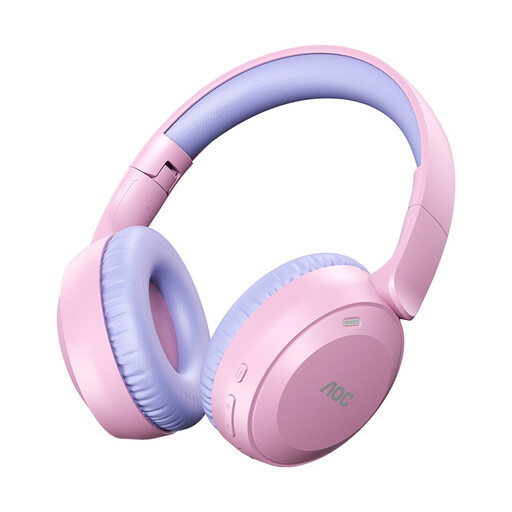 No image available
Wireless headphones to carry between classes; check that the design and fit suit your listening sessions.
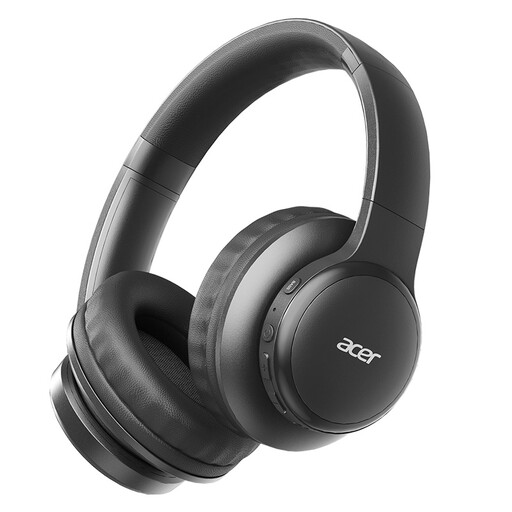 No image available
A wireless option to compare for listening between campus classes; check that the stated design and controls suit how you plan to use them.
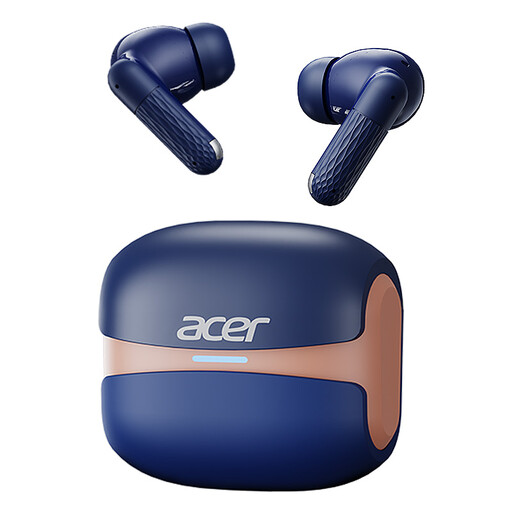 No image available
An in-ear option to compare if you’re looking for earbuds for short listening sessions; check that they fit comfortably.
 No image available
In-ear headphones with active noise cancellation to compare for listening in the presence of background noise; check the fit and try spoken audio in your own surroundings.
Pair your headphones with your device before the lesson and test a spoken recording. Find the pause and ambient controls. If the lesson is interactive, make a test recording too: a model’s specifications aren’t a test with your learning app.
The World Health Organization recommends well-fitting headphones and, where useful, noise cancellation to reduce the need for higher volume. It gives 80 dB for up to 40 hours per week as an example of safe listening, not a required volume level for every device; listening time and sound level both matter.
According to the Dutch government, listening to music hands-free is allowed. Don’t hold a mobile device while cycling, and make sure you can hear what’s around you, for example by keeping the volume low or using just one earbud. Being allowed to do something doesn’t mean every listening mode is safe in every traffic situation.
When you buy online from a business, you’ll usually have a 14-day cooling-off period; check the terms that apply to your order. If something is faulty, the seller is your point of contact for the statutory guarantee. The Netherlands Authority for Consumers and Markets explains that there is no standard general warranty period in the Netherlands.
The Dutch Authority for Digital Infrastructure states that radio equipment must meet the applicable European requirements and that compliant devices carry the required CE marking. Check the marking and product information for the item you want to buy; information about a brand or model doesn’t automatically prove that an individual item on sale complies.