
Listening to a lesson in a noisy room
You want to follow spoken Dutch without constantly turning up the volume. Compare the fit and noise cancellation, and see how they work in your own surroundings.


For a noisy room, well-fitting headphones with ANC are an obvious choice. If you need to hear instructions as you move on to group rehearsal, prioritise an easily accessible ambient sound mode or an open design. The Consumers' Association notes that ANC mainly reduces low, continuous sounds, so it does not guarantee that spoken Dutch will be easier to understand. Also check the fit, controls, compatibility with your lesson device and battery life in the mode you actually use.
You want to follow spoken Dutch without constantly turning up the volume. Compare the fit and noise cancellation, and see how they work in your own surroundings.
You need to hear instructions during or after the lesson, so look for an easy way to let ambient sound in or choose an open design. The Consumers' Association describes open earbuds as a way to stay aware of the sounds around you.
You switch between devices for lessons and want to know whether the model you choose supports multipoint, how the controls work and how long the battery lasts with your own usage.
First decide how much isolation you need for the lesson and how much contact with the group you want to maintain. Then weigh up fit, connectivity and battery life.
Choose these if: you want to follow spoken lesson material in noisy surroundings, then switch to hearing ambient sound.
Bear in mind: according to the Consumers' Association, ANC mainly reduces low, continuous sounds, and over-ear headphones take up more room in your bag.
Choose this if: you want to keep hearing instructions from the group during or just after the lesson.
Bear in mind: ambient sound will still come through, which can make quiet lesson dialogue harder to follow in a noisy room.
Choose these if: you want a compact design and find a snug, sealed fit comfortable.
Bear in mind: check the fit and battery life per charge; don't expect a transparency mode if the model doesn't have one.
The Consumers' Association explains that ANC is mainly designed to reduce low, continuous sounds. So check for yourself how easy it is to follow lesson voices and instructions in your situation.
| What to consider | What should you check? | Who should pay particular attention? |
|---|---|---|
| Lesson dialogue in noisy surroundings | Fit, ANC on or off, and the controls for ambient sound mode; try spoken lesson material in similar surroundings. | If I find it difficult to follow lesson dialogue in noisy surroundings, I want to assess this without constantly turning up the volume. Around 36% of consumers say understanding lessons is their top priority. |
| Instructions from the group | Check whether the model has an open design or ambient sound mode, and test how quickly you can switch between modes. | Just before rehearsal, I want to hear instructions without repeatedly taking off my headphones. Around 29% of consumers give staying in touch with the group top priority. |
| Comfort | Try the headphones for as long as possible and check for pressure, interference with glasses and how easy they are to take to rehearsal. | If the lesson is a long one, I want a comfortable fit that stays that way. Around 21% of consumers say comfort is their main consideration. |
| Devices and battery life | Check multipoint support for the exact model and compare battery life with ANC on if you plan to use that feature. | When I switch between my laptop and phone, I want to know whether the connection and battery suit my needs. Around 14% of consumers prioritise switching between devices and battery life. |
Claimed battery life can vary depending on whether ANC is on or off. So a maximum figure without the listening mode won't tell you how long you can listen in your lesson mode.
Compare the battery life for the mode you actually plan to use during the lesson.
The Consumers' Association describes ANC as mainly reducing low, continuous sounds. That doesn't mean every voice will disappear or that lesson dialogue will automatically be easier to understand.
Assess both the spoken lesson material and how quickly you can then hear the group's instructions.
According to the Dutch government, your statutory right to a product that works properly is separate from any additional manufacturer's or retailer's warranty.
Before buying, check what the additional cover includes and what it offers.
The WH-CH720N is an over-ear model you can compare for ANC, ambient sound and use with lesson devices.
The Tune 770NC is an over-ear option for anyone who wants to switch between lessons and keeping in touch with the group.
The ACCENTUM Wireless is an over-ear option to consider if you want a podcast mode alongside ANC and transparency mode.
The Space One is an over-ear option with adjustable transparency for different listening environments.
Wireless headphones to suit different listening needs around your lessons. Check each model's features and specifications to see whether they're right for your situation.
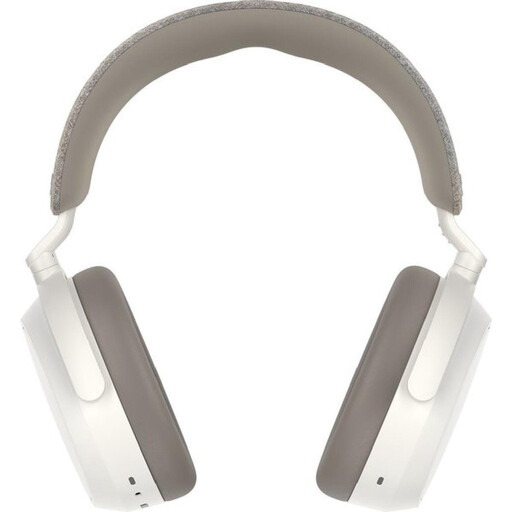 No image available
For anyone who wants to use ANC during the lesson and hear ambient sound afterwards.
The description lists ANC and Transparency Mode. The title quotes up to 60 hours of battery life.
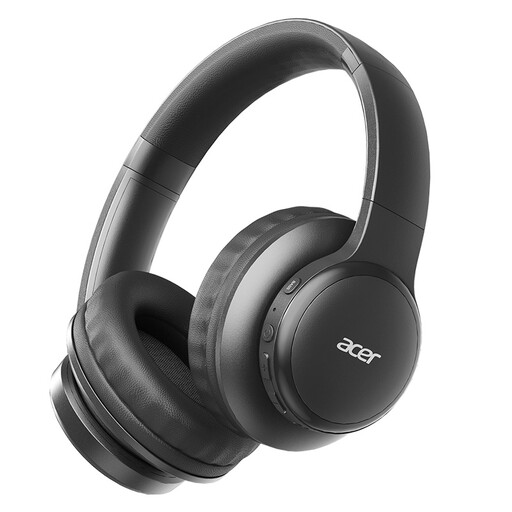 No image available
A wireless option to compare with the devices and connection you use for your lessons.
The title lists Bluetooth 5.3 and a Type-C charging port.
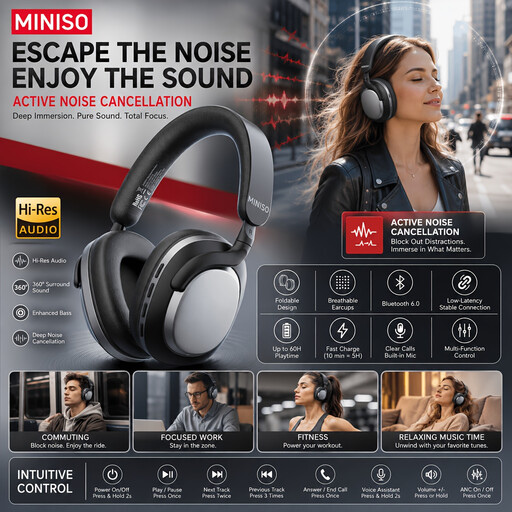 No image available
An over-ear option for anyone who wants to listen wirelessly and compare noise cancellation.
The title lists noise cancellation and a claimed battery life of 24 hours.
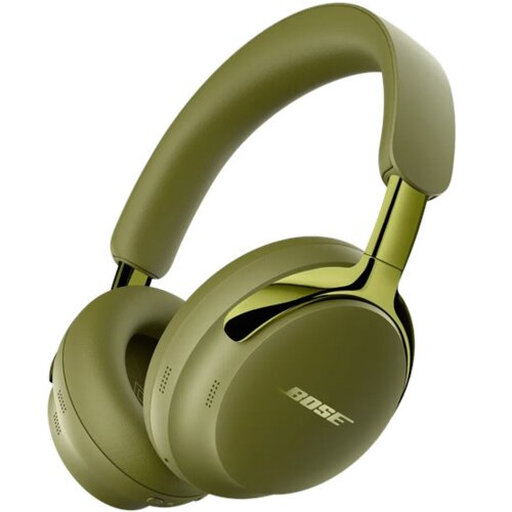 No image available
Wireless headphones to include in your comparison of listening options for lessons.
The product description lists noise cancellation and spatial audio.
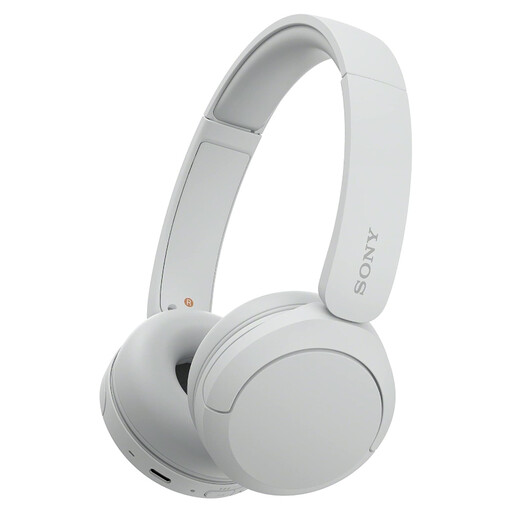 No image available
For anyone who wants to switch between a phone and laptop during lessons: the product description lists multipoint for two devices.
This model has an on-ear design; try it on to see whether it feels comfortable throughout your lesson.
Not if you need to hear what other people are saying: switch to an ambient sound mode or take off your headphones. Check for yourself whether the mode works quickly enough; with an open design, ambient sound continues to come through.
Pair the headphones by following the instructions for the exact model. Check for multipoint if you need to connect to two devices; JBL lists this feature for the Tune 770NC. Test switching between devices before the lesson starts.
Keep the volume low and take listening breaks. The World Health Organization gives an average of 80 dB for up to 40 hours per week as an example of a safe listening dose for adults; at higher levels, safe listening time is shorter.
According to the Dutch government, you are entitled to a product that works properly in the Netherlands, and the seller must resolve problems with a faulty product. There is no single statutory two-year guarantee period for all products; normal wear and tear or damage caused by your own actions isn't automatically covered by free repairs.
Bluetooth headphones sold as radio equipment on the Dutch market must meet the applicable EU requirements and carry the required CE marking. A declaration of conformity for a model helps with this assessment, but on its own it doesn't prove the identity or conformity of every individual item offered for sale.