
Vandaag of morgen in huis

Kwaliteit gegarandeerd

Welkomstaanbiedingen ontgrendelen: GRATIS bezorging | Tot 80% korting | Gratis 30 dagen JoyPlus-proefperiode
Download de app
Wireless headphones are convenient for music, podcasts and calls on the go. However, a long list of features means little if the model is not right for how you use it. A Bluetooth headset for the office has different requirements from headphones for running or swimming.
The most common poor purchases result from three pitfalls:
Battery life without a clear measurement method
“Up to 30 hours” could mean including the charging case, at a low volume or with active noise cancellation switched off. Always check whether the stated playback time applies per earbud, per charge or includes the case.
Confusing water resistance with waterproofing
An IPX4 rating is intended for splashes and sweat, not immersion. IPX5 and IP55 are not automatically suitable for swimming either. When choosing headphones for swimming, check that the model is genuinely designed for underwater use and whether Bluetooth can work in those conditions.
Underestimating the importance of a proper fit
Even excellent audio features will not help if wireless earbuds keep falling out, cause pressure or fail to create a good seal. In-ear models need correctly fitting silicone tips. Open-ear, clip-on and bone-conduction models sit differently on or around the ear and allow more ambient sound to be heard.
Bluetooth 5.3, 5.4 or a newer version can contribute to a stable connection and efficient energy use. However, the Bluetooth version alone does not determine sound quality. Also check:
An Apple model will generally work most seamlessly within the Apple ecosystem, while Samsung Galaxy Buds may offer extra features with Galaxy devices. With other smartphones, the basic function is usually Bluetooth pairing, but app features may vary.
Pay attention to the difference between listening time per charge and total playback time with the charging case. A model such as the Soundcore Liberty 4 Pro states up to 10 hours of continuous audio playback and comes with a USB-C charging case. The Sennheiser MOMENTUM True Wireless 4 states up to 30 hours with the case. According to the brands’ product information, settings such as ANC, volume and codec can affect actual battery life.
The IP code indicates protection against dust or water:
Make sure a charging port is completely dry before connecting a sports earbud. After swimming in salt or chlorinated water, a model designed for this purpose should be rinsed and dried according to the product instructions. Do not automatically use a standard Bluetooth model in a swimming pool.
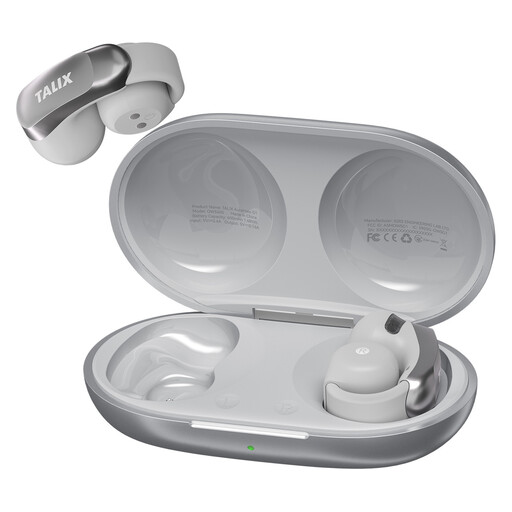
Why it suits this profile: The clip-on fit and weight of 5.2 grams per earbud are practical for everyday use, commuting and light training.
The specifications state both approximately 7 hours per charge and 28 hours with the charging case. IPX4 is also clearly stated: suitable for sweat and light rain, but not for immersion.
Bluetooth 5.3, four microphones, fast charging and a silicone ear hook.
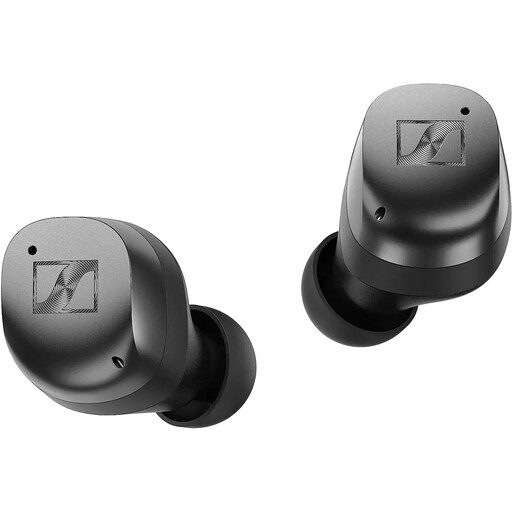
Why it suits this profile: This in-ear model is aimed at listeners who value customisable audio, ANC and long overall playback time.
The stated playback time of up to 30 hours refers to use with the charging case. The IP54 rating makes the model splash-resistant, but not suitable for swimming.
Bluetooth 5.4, adaptive ANC, a 5-band equaliser and wireless Qi charging according to the product information.

Why it suits this profile: The open-ear bone-conduction design, 32 GB of storage and stated IP68 rating are well suited to running, cycling and activities where carrying a smartphone is not always convenient.
The product listing mentions IP68 and use for swimming. Before buying, still check the manual, the correct swimming mode and the charging procedure; Bluetooth does not always work underwater.
32 GB of built-in MP3 storage, an open-ear design and a stated IP68 rating.
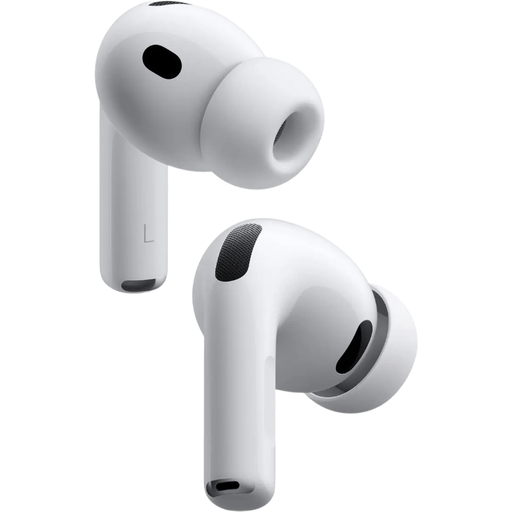
Why it suits this profile: The product information lists five sizes of silicone ear tips, ANC and switching between Apple devices. This makes it suitable for everyday use, travel and watching films.
The fit does not depend on a single standard size: five sizes of ear tips are listed. The stated IP57 rating should not be confused with suitability for use in a swimming pool.
Bluetooth 5.3, up to 8 hours with ANC according to the product information, and a heart-rate sensor for synchronisation with Apple Health.
We have put together a complete, up-to-date list of products that fully meet these strict selection criteria and the applicable European safety regulations.
Charge the earbuds and case first. Then open your smartphone’s Bluetooth settings, remove the earbuds from the case and select the product name. With some brands, the initial pairing is completed through an app. If the connection does not work, remove the old Bluetooth pairing and try again.
Battery capacity decreases over time. Battery life depends on charging cycles, heat, volume and storage. Do not leave earbuds completely flat for extended periods and do not store them in direct sunlight. A model with a charging case, USB-C or wireless charging can be practical for everyday use, but always check the expected playback time per charge.
That depends on the fit and your surroundings. Sports earbuds with ear hooks, clip-on models and open-ear headphones can stay securely in place during movement. When cycling or running, awareness of your surroundings is important. Therefore, do not use ANC mode when you need to hear traffic, and follow local traffic regulations.
