
Listening at a shared table
You want to avoid soft or loud passages being audible to other visitors. Audio-Technica says low sound leakage is important if you don’t want to disturb others.


Start with a pair of closed-back over-ear headphones or well-fitting in-ear headphones, then check at your usual listening volume whether someone sitting next to you can hear your music. Next, choose based on sound and comfort; noise cancelling is most useful if you want to reduce background noise. An open-back design can sound spacious, but it may also make your music audible to others.
You want to avoid soft or loud passages being audible to other visitors. Audio-Technica says low sound leakage is important if you don’t want to disturb others.
You want to pick out instruments and quieter passages, and would rather judge the sound using a familiar recording than audio jargon alone. The Consumers’ Association describes sound assessments using music from different genres, including classical music.
You’ll be sitting for a while and want to know whether the ear cushions, headband or earbuds will remain comfortable. The Consumers’ Association notes that over-ear models can be comfortable during long sessions, but take up more room in a bag.
Start by considering the seal and potential sound leakage, then see whether noise cancelling or an ambient mode would be useful for the way you listen.
Choose these if: you listen for longer periods and don’t want to disturb other visitors. Check the fit and sound leakage at your usual volume.
Trade-off: a closed-back design generally limits sound leakage, but doesn’t guarantee that others won’t hear your music. Over-ear headphones take up more room, and comfort varies depending on your head shape and whether you wear glasses.
Choose these if: compact portability matters more to you than wearing a headband, and in-ear tips that seal well are comfortable for you.
Trade-off: the seal depends on the fit, and not everyone finds earbuds comfortable during a long session. Also check the battery life per charge.
Choose these if: ventilation or conversations distract you, or you also use the same headphones in other places.
Trade-off: noise cancelling reduces the sound you hear, but doesn’t tell you whether your music is leaking out. Check the seal and any ambient mode separately.
Choose these if: you listen somewhere private where sound leakage isn’t a problem, and a spacious presentation matters to you.
Trade-off: an open-back design lets in ambient noise and can make your music audible to others, so it may not be the obvious choice at a shared library table.
Check for sound leakage at your usual volume and assess the sound using a recording you know well. The points below will help you weigh up the options for your own listening situation.
| What to consider | What should you check? | Who will value this? |
|---|---|---|
| Sound leakage | Look for a closed-back design or sealing ear tips, and ask someone sitting next to you to listen while you play music at your usual volume. | When I listen at a shared table, I don’t want to disturb others with soft or loud passages. Around 31% of consumers rank limiting sound leakage as their top priority. |
| Musical detail | Listen to a familiar chamber music recording on your own device, comparing quieter and louder passages. | I want to be able to follow instruments and quieter passages without constantly turning up the volume. Around 25% of consumers give musical detail top priority. |
| Comfort | If possible, try the fit for longer than a short excerpt, including while wearing your glasses. | During a long listening session, I don’t want uncomfortable pressure from the headband, ear cushions or ear tips. For around 19% of consumers, comfort is their main buying concern. |
| Awareness of your surroundings | Check whether you can pause playback quickly and whether any transparency mode lets in enough ambient sound. | If I want to hear staff or an announcement, I don’t want to keep taking off my headphones. Around 13% of consumers put staying aware of their surroundings first. |
| Cost and battery life | Compare the stated battery life using the same ANC setting, and consider which features you’ll actually use. | I don’t want to pay extra for features I don’t need, and I want the battery life to suit my sessions. Around 12% of consumers cite cost and battery life as their main buying concern. |
Music can leak out of open-back headphones, potentially disturbing other visitors in a quiet space.
Save an open-back model for a suitable private space, and try a closed-back model at your usual listening volume for the library.
Noise cancelling targets the ambient noise you hear; it doesn’t tell you whether others can hear your music.
Check the design and fit separately, and ask someone sitting next to you whether they can hear your music.
Stated battery life can vary depending on the setting. Sony lists up to 35 hours with noise cancelling on and 50 hours with noise cancelling off for the WH-CH720N.
Only compare battery life using the same settings, and bear in mind how long your own listening sessions are.
A manufacturer’s warranty or paid extra cover is separate from your statutory rights. The Dutch government points out that the Netherlands has no fixed statutory warranty period.
Check what the extra cover includes and who to contact if something goes wrong.
The ATH-M50xBT2 is a closed-back wireless over-ear option that lets you weigh up fit, sound leakage and adjustable sound. The ATH-AL5NC is a separate open-back wireless model.
The MOMENTUM 4 Wireless is a closed-back over-ear model with adjustable sound and noise cancelling. Consider these features alongside fit and sound leakage.
The WH-CH720N is a closed-back over-ear model with noise cancelling and an ambient sound mode. The WH-1000XM6 is a separate model.
The Tour One M3 is an over-ear model for anyone who wants to consider sound and connectivity features alongside noise cancelling.
This selection includes wireless over-ear models and in-ear headphones with features for controlling sound or ambient noise. For each model, check the fit and sound leakage at your usual listening volume; product features alone don’t confirm how audible your music will be to others.
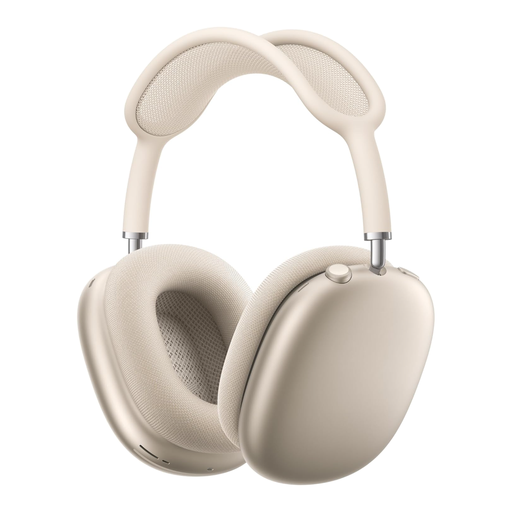 No image available
An over-ear option for anyone looking at noise cancelling and ways to manage ambient sound.
The product description lists active noise cancelling, Transparency, Adaptive Audio and personalised spatial audio.
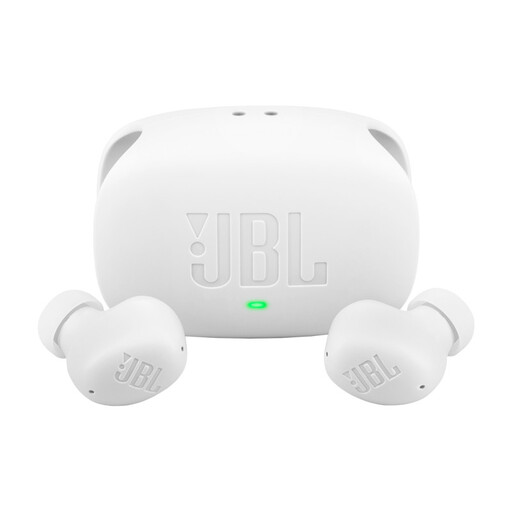 No image available
A wireless in-ear option if you want a compact listening setup and are interested in ambient sound settings.
The product description lists adjustable EQ, ANC and Smart Ambient, plus up to 40 hours of total playback with ANC off.
 No image available
A closed-back over-ear model for anyone looking to combine noise cancelling with adjustable sound.
Sennheiser lists EQ, a transparency mode and up to 60 hours of playback. Fit and default sound remain personal selection criteria.
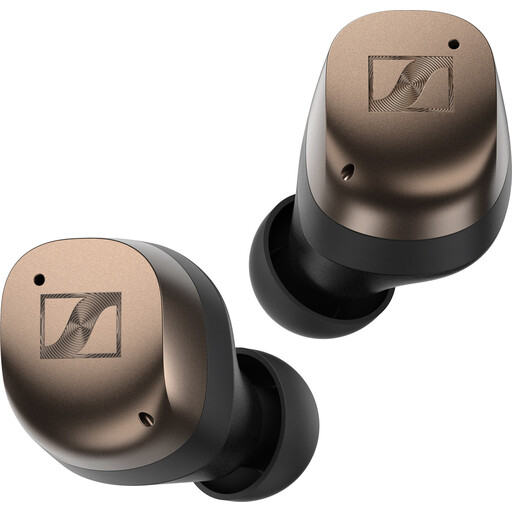 No image available
These wireless in-ear headphones are an option if you want to compare a compact fit with adjustable sound and ambient noise features.
The product description lists ANC, a transparency mode, adaptive 5-band EQ and up to 30 hours of playback with the case. Several ear tip sizes are included; check which fit feels comfortable for you.
 No image available
A wireless in-ear option to consider if you’d rather not wear a headband; check that the ear tips fit well and feel comfortable.
The product description lists Bluetooth 5.4, touch controls and a charging case with a Type-C connector.
That depends on the library’s house rules. Deventer Library asks visitors to use headphones for music; Rijn en Venen Library requires that the sound from devices cannot be heard. These are the rules of those libraries, not nationwide permission or a ban applying to all libraries.
Not necessarily. Noise cancelling is most useful if you want to reduce ambient noise; to avoid disturbing others, you also need to consider your headphones’ seal and sound leakage. Test these separately.
Adjust the fit properly, keep the volume moderate and take regular listening breaks. The World Health Organization recommends keeping the volume low and giving your ears regular breaks. For advice on cleaning and replacing ear cushions or tips, check the instructions for your chosen model.
For an applicable distance sale to a consumer, you’ll generally have a 14-day cooling-off period. This is separate from your statutory rights if a product is faulty: according to the Dutch government, there is no fixed statutory warranty period in the Netherlands, and the seller is your point of contact for a solution if there’s a problem with the product.
The CE mark indicates that the manufacturer declares the product complies with the applicable EU product requirements. Bluetooth equipment is classed as radio equipment under the Radio Equipment Directive; the mark is not an independent assessment of sound quality or sound leakage.