
Vandaag of morgen in huis

Kwaliteit gegarandeerd

Welkomstaanbiedingen ontgrendelen: GRATIS bezorging | Tot 80% korting | Gratis 30 dagen JoyPlus-proefperiode
Download de app
At first glance, choosing wireless headphones seems straightforward. But small differences in fit, battery life and connectivity can make a big difference to how comfortable they are to use every day. A Bluetooth headset for train journeys needs different features from wireless earbuds for running or a gaming headset for PlayStation.
Look out for these common pitfalls:
Choosing between over-ear headphones, on-ear headphones, in-ear earbuds and open-ear models affects comfort, sound isolation and stability.
Check whether the headphones come with several sizes of ear tips or stability bands. According to the product information, the Bose QuietComfort Ultra Earbuds come with different ear tips and stability bands. This helps you adjust the fit, but comfort is still a matter of personal preference.
A noise-cancelling headset uses active noise cancellation, also known as ANC. Microphones pick up surrounding noise, which the headphones then partially counteract. This is particularly useful on trains and planes, or in a busy office.
ANC headphones won’t silence every sound. Voices, sudden noises and high-pitched sounds may still be audible. An ambient or aware mode lets in sound from your surroundings. Don’t use noise cancelling when you need to hear traffic, cyclists or warning signals clearly.
Also check the IP rating. IPX4 means protection against splashes, not submersion. The Sony WF-C710N and Bose QuietComfort Ultra Earbuds are listed as IPX4-rated. This makes them suitable for light perspiration or splashes, but doesn’t automatically mean they’re suitable for swimming.
Don’t just look for “long battery life” – check the full specification:
A headset with a microphone is useful for working from home, but the number of microphones alone doesn’t guarantee clear calls in every setting. Wind, traffic and microphone placement all matter.
If the information doesn’t match, it’s worth being cautious. Various product listings quote up to 50 hours of battery life for the Sony WH-CH520, while one technical specification states 40 hours. Check the current information on the product page before ordering.
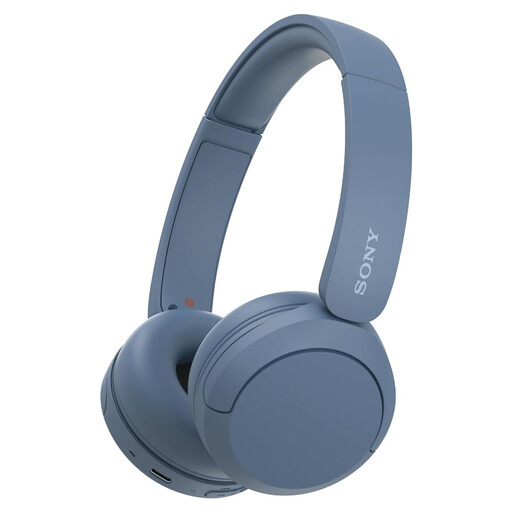
Why it suits this profile: Lightweight on-ear headphones for music, podcasts and calls, with Bluetooth, multipoint and USB-C charging.
The product specifications list concrete features such as a weight of 147 grams, multipoint and a microphone, rather than relying on general claims about sound.
Bluetooth, multipoint, USB-C and a stated battery life of up to 50 hours; check the current technical specifications.
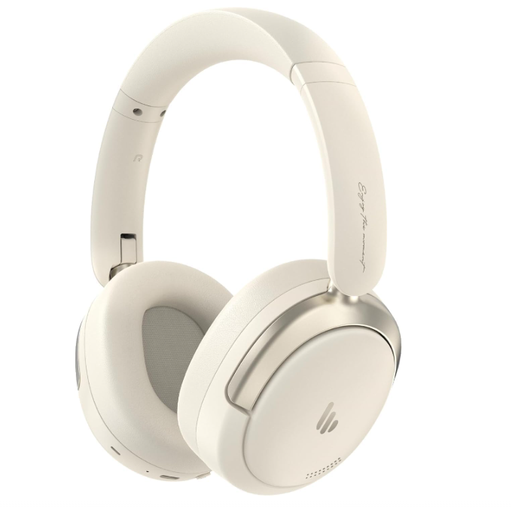
Why it suits this profile: Over-ear headphones for travelling, working and listening, with a focus on ANC, connections to two devices and extended battery life.
The product page lists ANC as “up to -44 dB”. This is a stated maximum, not a guarantee that every surrounding sound will disappear.
40 mm drivers, Bluetooth 5.4, multipoint, built-in microphone and up to 45 hours of playback according to the product information.
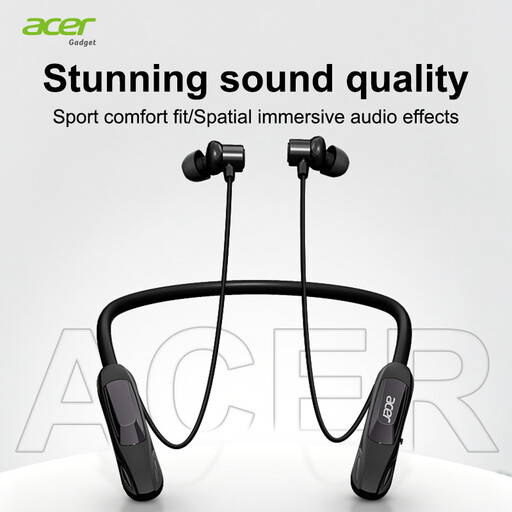
Why it suits this profile: A neckband design for sport and everyday use, with Bluetooth 5.4, a low-latency mode and magnetic storage.
The design helps stop you losing a loose earbud while you’re on the move. However, always check whether it’s suitable for rain and sweat.
Neckband design, magnetic storage, Type-C port and low-latency mode. The product name also states a long standby time.
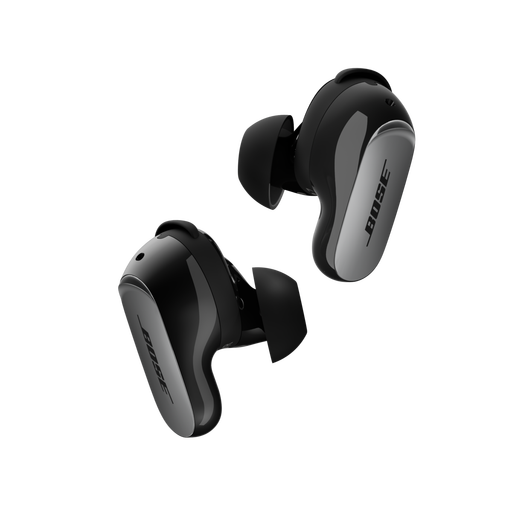
Why it suits this profile: Compact wireless earbuds with ANC, aware mode and multipoint for travel, the office and everyday calls.
Aware mode gives you an alternative to using ANC all the time. The IPX4 rating shouldn’t be confused with waterproofing.
Bluetooth 5.3, multipoint, USB-C and wireless charging for the case; stated listening time is up to 6 hours per charge.
We’ve put together a complete, up-to-date list of products that meet these strict selection criteria and the applicable European safety regulations.
Put the headphones into pairing mode, open Settings > Bluetooth on your phone and select the product name. If you’re using multipoint, check that the second device is added correctly afterwards. If the connection doesn’t work, remove the old pairing and try again.
It varies by model and how you use them. ANC, phone calls and high volume all shorten playback time. Check the difference between the battery life of the earbuds themselves and the extra capacity of the charging case. A quick-charge function can be more practical than simply having a high maximum number of hours.
That depends on the fit and water resistance. A neckband or sports earbuds may stay in place better while you’re moving than large over-ear headphones. Check the IP rating, and only charge the device once the connectors are dry. Don’t use ANC in situations where you need to hear traffic or other warning signals.
