
Vandaag of morgen in huis

Kwaliteit gegarandeerd

Welkomstaanbiedingen ontgrendelen: GRATIS bezorging | Tot 80% korting | Gratis 30 dagen JoyPlus-proefperiode
Download de app
A wireless headset may seem easy to choose at first glance. However, small differences in fit, battery life and water resistance can determine whether you use the product every day or leave it in a drawer after a few weeks. The product name also does not always tell you enough about its actual features.
Pay particular attention to these three common pitfalls:
First, choose between the main wearing styles:
A good fit is personal. Pay attention to pressure around your temples, jaw and behind your ears. With clip-on earbuds, it is worth checking that the clip stays securely in place without pressing uncomfortably.
A Bluetooth headset should be compatible with your phone, laptop, tablet or television. Bluetooth 5.3 or 5.4 is listed in the product specifications, but the connection is also affected by distance, obstacles and the connected device.
For work and online meetings, the number of microphones matters more than simply having them. Look for:
Headphones designed for calls are not automatically suitable for busy stations or cycle paths. According to brands’ own product information, algorithms can reduce background noise, but the call experience may vary depending on the environment.
Compare battery life under the same conditions. A model with a charging case often states the total playback time of the earbuds plus the case. Therefore, check both the runtime per charge and the total capacity.
An IP rating indicates the type of moisture the product is protected against according to the stated specification. IPX4, for example, means protection against splashing water, not immersion. Sports headphones with IPX4 may be suitable for sweat or light rain, but not for swimming or heavy rainfall.
Do not use a product with a built-in lithium battery while it is charging, and stop using it if you notice unusual heat, swelling or smoke. Keep the volume moderate; listening at a high volume for long periods can damage your hearing.
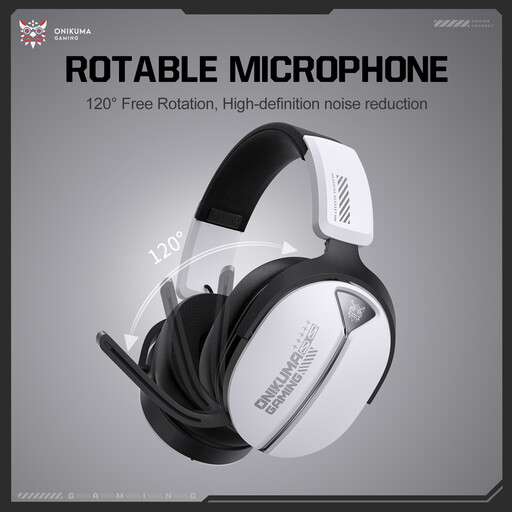
Why it suits this profile: A straightforward wireless headset for everyday listening, without requiring extra features straight away. The scroll-wheel volume control and physical buttons are easy to use.
The controls are described clearly: independent physical buttons and a scroll wheel. However, check the full Bluetooth and battery specifications on the product page beforehand.
A frequency range of 20 Hz–20 kHz, physical controls and a portable headphone design.
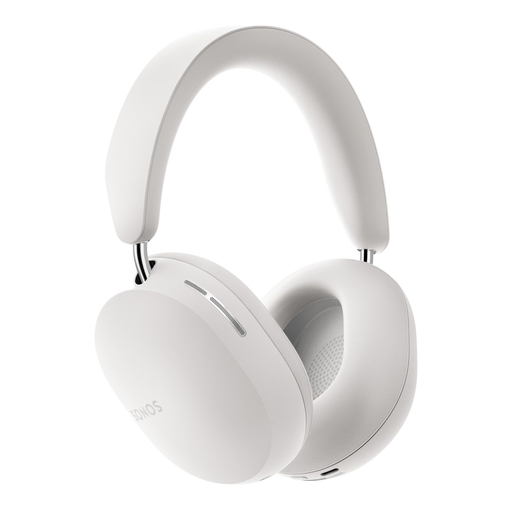
Why it suits this profile: Suitable for anyone looking for a closed over-ear design, active noise cancellation and several connection options for travelling, music and work.
The product information lists Bluetooth as well as USB-C and 3.5 mm connections. The stated battery life is 30 hours; actual runtime depends on settings and usage.
Active noise cancellation, Bluetooth 5.4, multipoint, 40 mm drivers and a stated weight of 312 grams.
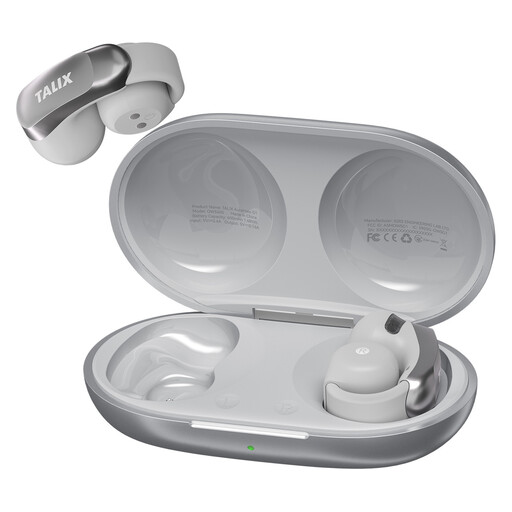
Why it suits this profile: A lightweight clip-on design for commuting, online meetings and sport. The ear hook is designed to keep the earbuds securely in place.
The specifications state 5.2 grams per earbud, four microphones and IPX4. This makes the features easy to verify; however, IPX4 does not protect against immersion.
Bluetooth 5.3, up to 7 hours per charge, up to 28 hours with the charging case and a fast-charging function according to the product description.

Why it suits this profile: The clip-on design leaves your ears open, which can be useful when walking, travelling or doing light exercise while you want to remain aware of ambient sounds.
The open-ear construction prevents your ears from being fully enclosed. The IPX4 rating is suitable for splashing water, but not immersion.
Bluetooth 5.3, up to 9 hours of playback per charge, a charging case and a stated IPX4 rating.
We have put together a complete, up-to-date list of products that fully meet these strict selection criteria and the applicable European safety regulations.
First, charge the headphones and activate pairing mode. Then open the Bluetooth settings on your phone and select the product name. If the device has been paired before, the connection often happens automatically. If it does not work, remove the old pairing and try again.
This varies depending on the model and how you use it. Volume, active noise cancellation, phone calls and the number of charging cycles all have an effect. Check both the stated playback time per charge and the total runtime with the charging case. Headphones with long battery life are particularly practical when you do not want to recharge frequently while travelling.
An open design lets ambient sound through, but it is no substitute for staying alert. Do not use headphones if they could restrict your vision, hearing or ability to react in traffic. Always check the local traffic regulations and keep the volume low enough to hear important signals.
