
Vandaag of morgen in huis

Kwaliteit gegarandeerd

Welkomstaanbiedingen ontgrendelen: GRATIS bezorging | Tot 80% korting | Gratis 30 dagen JoyPlus-proefperiode
Download de app
Wireless headphones are useful for working from home, travelling, listening to music and making calls. However, a long list of features does not automatically mean that a model suits the way you use it. For example, Bluetooth headphones may offer long battery life but feel uncomfortable to wear. And noise-cancelling headphones may reduce ambient noise while making conversations less clear in busy surroundings.
The main pitfalls usually come down to three points:
Check whether the manufacturer states the playback time with active noise cancellation as well as without ANC. For example, the Soundcore Space One Pro is listed in the product description as offering 60 hours without ANC and 40 hours with ANC. According to the product information, the CMF Headphone Pro offers up to 100 hours without ANC and 48 hours with ANC.
Fast charging is useful too. Look at the actual relationship between charging time and additional playback time. A model that can play for several more hours after just a few minutes of charging is handy for commuting or a long train journey.
Over-ear headphones surround the ear and can be comfortable during long listening sessions. On the other hand, this type can be larger and warmer to wear. An on-ear model such as the Sony WH-CH520 weighs just 147 grams, making it relatively light according to the product specifications, but offers less coverage around the ear.
For running or cycling, sports headphones with ear hooks or an open-ear design may be a more logical choice. When it comes to water resistance, always check the IP rating. IPX5 or IP54 does not mean that a product is suitable for submersion or swimming. According to the product information, the Samsung Galaxy Buds4 Pro has an IP57 rating, but the safety information states that swimming is not recommended.
ANC stands for active noise cancellation. Microphones measure ambient sound, after which the headphones produce an opposing sound. The effect can vary depending on the environment: constant low-frequency sounds on an aeroplane or train are often easier to reduce than voices.
Also look out for:
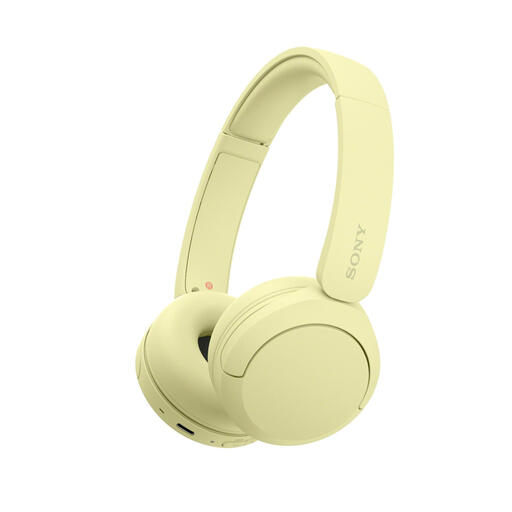
Why it suits this profile: A lightweight on-ear model for everyday listening, calls and use with a phone or laptop.
The product specifications state the weight, multipoint and USB-C connectivity. However, check the current battery-life information, as different product descriptions state 40 or 50 hours.
147 grams, AAC/SBC codecs, multipoint connectivity and fast charging according to the product information.

Why it suits this profile: Designed for users looking for over-ear headphones with ANC, app settings and a wired option.
The choice of ANC modes and an audio cable makes this model more versatile. According to the product information, battery life remains 24 hours, which is less than some models without ANC.
Bluetooth 5.3, Hi-Res Audio, multipoint and a closed-back over-ear design according to the product specifications.
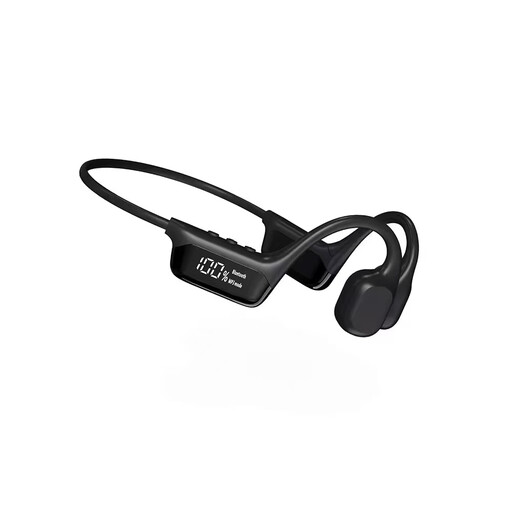
Why it suits this profile: An open-ear bone-conduction model for active pursuits where staying aware of ambient sound is important.
The open-ear design does not block the ears like ANC headphones. For swimming, follow the specified mode and safety instructions; Bluetooth does not work underwater.
Bluetooth 5.3, an open-ear fit, NFC and stated storage for eight hours according to the product description.
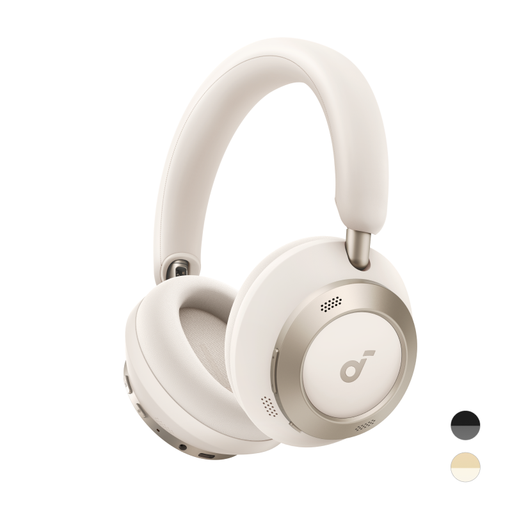
Why it suits this profile: Ideal for anyone looking for foldable headphones with ANC, LDAC and long battery life for travel or the office.
The product description gives separate battery figures for ANC switched on and off. This makes it easier to compare the claim with your own usage.
Up to 60 hours without ANC, 40 hours with ANC, LDAC and, according to the product information, five minutes of fast charging for eight hours of playback.
We have put together a complete, up-to-date list of products that fully meet these strict selection criteria and the applicable European safety regulations.
Switch on the headphones and activate pairing mode. Then open your phone’s Bluetooth settings and select the product name. Some models support Google Fast Pair on Android devices and Microsoft Swift Pair on Windows computers. If the connection does not work, remove an old pairing and charge the headphones sufficiently first.
It varies depending on the type and how you use them. According to the product specifications, over-ear headphones can last from 24 to 100 hours, depending on ANC and volume. Wireless earbuds generally offer shorter playback per charge, but the charging case extends the total usage time. Bear in mind that battery capacity decreases over time.
No, take care when using headphones in traffic. ANC and closed ear cushions can reduce ambient sound. When cycling or taking part in other activities, only use a model and volume setting that allows you to hear what is happening around you clearly enough, and follow UK traffic regulations. Open-ear sports headphones may be more practical in these situations, but they do not eliminate the risk entirely.
