
Vandaag of morgen in huis

Kwaliteit gegarandeerd

Welkomstaanbiedingen ontgrendelen: GRATIS bezorging | Tot 80% korting | Gratis 30 dagen JoyPlus-proefperiode
Download de app
Buying wireless headphones sounds simple, until you have to choose between Bluetooth headphones, wireless earbuds, over-ear headphones or an open-ear design. Marketing copy often highlights features such as noise cancellation, spatial audio or long battery life. However, these terms do not always tell you how well a product suits your needs.
The main pitfalls are:
Over-ear headphones completely surround the ear. This can provide more passive noise isolation and room for larger ear cups, but these models are often heavier. The Apple AirPods Max, for example, weighs 384.4 grams, while the Sony WH-CH520 weighs 147 grams, according to the product information.
An on-ear model rests on the ear and is usually more compact. This makes it suitable for commuting or everyday use, but the fit varies more from one user to another. Look out for:
Wireless earbuds and open-ear models are lighter and less enclosing. With open-ear headphones, your ears remain uncovered, so you can hear traffic, colleagues or housemates more easily. The trade-off is that ambient noise can also drown out your music.
Do not just look for “up to so many hours”. Also check whether the stated duration applies with noise cancellation, at what volume and whether the charging case is included.
The Sony WH-CH520 is listed in the product description with up to 50 hours of battery life, while the technical specifications on the same product page state 40 hours. This difference shows why you should check the current product specifications and manual before ordering.
Other examples:
A fast-charging function can be useful if you often forget to charge your headphones. Also check whether a charging cable is included and which type of connector is used, usually USB-C.
Bluetooth 5.0, 5.3 or 5.4 provides information about the connection, but not automatically about sound quality or range in your home. More important are features such as:
With sports headphones, pay particular attention to the IP rating. IPX4 means protection against splashing water, not immersion. The Bose Ultra Open is listed with IPX4. According to the product details, the Apple AirPods Max has IP00 and no water protection. You should therefore not use this model during intense exercise or in heavy rain.
A higher rating, such as IP68 on certain Mojawa models, is a product specification that is better suited to sport and swimming. However, always check the conditions for use in fresh or salt water, as well as the advice on drying the headphones before charging.
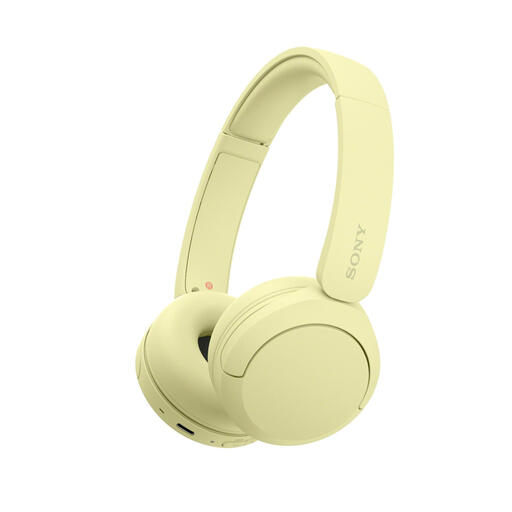
Why it suits this profile: This lightweight on-ear model is designed for everyday listening, travel and calls. The adjustable headband, buttons and multipoint connection are practical for use with a smartphone and laptop.
The low weight and compact shape reduce the chance of having cumbersome headphones on the move. However, check the current battery information, as the product details mention both 40 and 50 hours.
147 grams, multipoint connection, USB-C and support for the Sony Headphones Connect app.
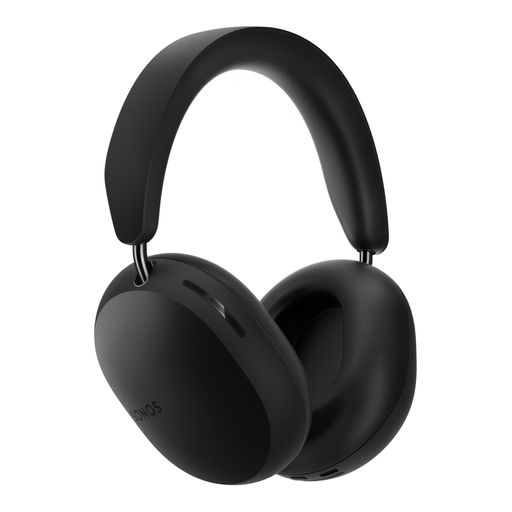
Why it suits this profile: The Sonos Ace combines over-ear comfort with active noise cancellation, spatial audio and wired connections. That makes it well suited to working from home, travelling and watching films.
The combination of Bluetooth, USB-C and a 3.5 mm cable means you are not reliant solely on a wireless connection or battery life.
Up to 30 hours of battery life with noise cancellation, multipoint and a weight of 312 grams.
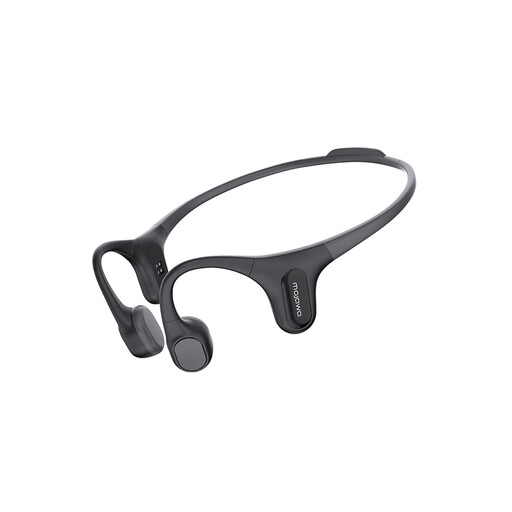
Why it suits this profile: This open-ear model is designed for running, cycling, the gym and other activities where you want to remain aware of your surroundings.
The open-ear design does not completely block your ears. The stated IP68 rating also makes this model more appealing for sports use, but follow the usage and charging instructions.
Open-ear design, IP68 according to the product listing and 32 GB of built-in storage for music without a smartphone.

Why it suits this profile: This over-ear model features active noise cancellation, multipoint and a supplied audio cable. That is practical on the train, in the office or during long listening sessions.
The combination of aware mode and active noise cancellation lets you choose between blocking out noise and hearing your surroundings. However, this model is not intended for wet conditions.
Up to 24 hours of battery life, Bluetooth 5.3, multipoint and a weight of 380 grams.
We have put together a complete, up-to-date list of products that fully meet these strict selection criteria and the applicable European safety regulations.
Switch on Bluetooth on your smartphone, turn on the headphones and activate pairing mode. Then select the model name from the Bluetooth list. On some Sony models, Swift Pair or Fast Pair can help speed up the initial connection. After pairing, check that the microphone and your preferred audio volume are set correctly.
Lifespan depends on the battery, hinges, ear cushions and how the headphones are used. A battery may lose capacity over time. For this reason, choose a model with replaceable ear cushions, a sturdy build and a suitable warranty. In the Netherlands, consumers are also covered by the statutory guarantee; the expected lifespan depends on the product, price and conditions of use.
Power consumption is generally limited while listening. The main practical cost is charging the built-in battery, but this is usually low. Use a suitable USB-C charger, do not charge with damaged cables and have a hot or swollen battery inspected immediately in accordance with the manufacturer’s safety instructions.
