
Vandaag of morgen in huis

Kwaliteit gegarandeerd

Welkomstaanbiedingen ontgrendelen: GRATIS bezorging | Tot 80% korting | Gratis 30 dagen JoyPlus-proefperiode
Download de app
Wireless headphones may seem easy to choose at first. But models can vary considerably in comfort, battery life, microphone quality and connectivity. A low price may be tempting, but a poor fit or limited battery life can quickly leave you regretting your purchase.
Look out for three common pitfalls:
Over-ear headphones go around your ears and generally provide more physical sound isolation. That can be useful on a long train journey or during a full day at work. Check the weight, the pressure from the headband and whether the ear cushions give your ears enough room.
On-ear models rest on your ears and are often more compact. Wireless earbuds are even easier to carry, but the fit varies from one person to another. For sport, a neckband, secure ear wings or an open-ear design may be more practical. Open-ear models let in ambient sound, but that doesn’t automatically mean they’re waterproof.
ANC, also known as active noise cancellation, uses microphones to reduce ambient sound electronically. It works particularly well against steady noises, such as aircraft engines or train noise. Voices and sudden sounds may still be audible.
Pay attention to the microphone, too. Headphones with a microphone for meetings need to do more than play music well: they should also pick up your voice clearly. The number of microphones is a specification you can check, but it doesn’t tell you on its own how calls will sound in a busy environment.
Always compare long battery life with the mode used. For example, the Baseus EH10 NC is listed as offering up to 80 hours without ANC and 55 hours with ANC. According to the product description, a 10-minute charge provides around 10 hours of playback. These are stated figures; volume, temperature and connectivity can all affect battery life.
For sound quality, you may see terms such as Hi-Res audio, LDAC, AAC and SBC. Hi-Res certification or LDAC support may be relevant if you have compatible source devices and files, but it doesn’t guarantee that everyone will hear a difference. Also check whether the headphones have multipoint, USB-C, a 3.5mm cable or a 2.4GHz dongle.
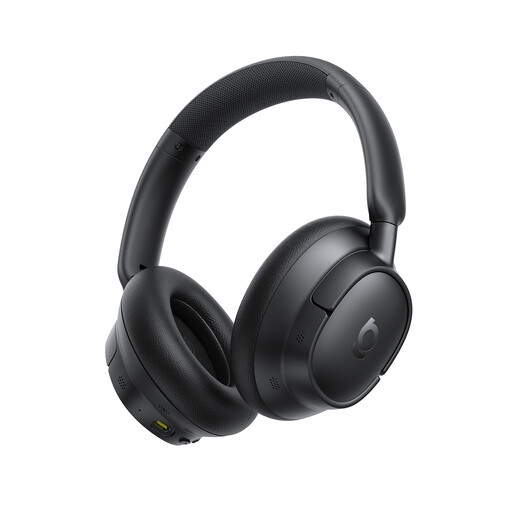
Why it suits this profile: These over-ear Bluetooth headphones combine ANC, LDAC and a stated long playback time in a single model for everyday use, travel and working from home.
The product description gives separate battery life figures with and without ANC, making the claim easier to compare.
According to the product details: up to 80 hours without ANC, 55 hours with ANC, LDAC and five microphones.

Why it suits this profile: This model is designed for people looking for an over-ear design, active noise cancellation and Apple integration for music and films.
The specifications state a battery life of 20 hours with ANC, making the usage mode clear.
Active noise cancellation, transparency mode, Hi-Res Audio according to the product specifications, and USB-C audio.
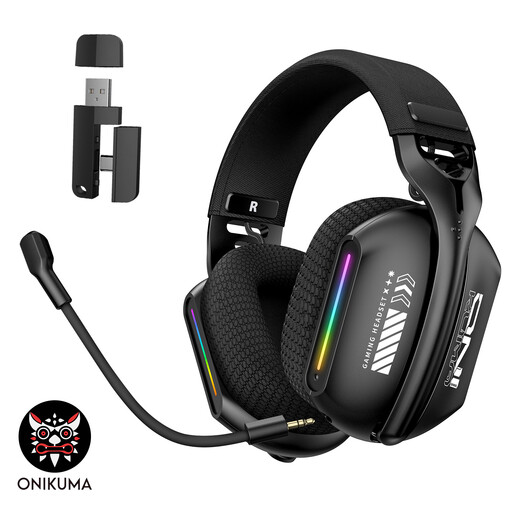
Why it suits this profile: Three connection modes are available for gaming: Bluetooth 5.3, wired and 2.4GHz. This makes the model suitable for a range of devices.
With a 2.4GHz mode and a wired option, you don’t have to rely solely on Bluetooth for gaming.
Three connection modes, an adjustable headband, memory foam ear cushions and a rotating microphone, according to the product information.
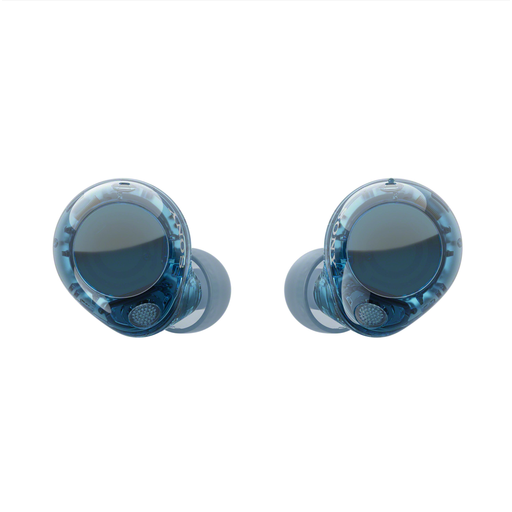
Why it suits this profile: These ANC earbuds are compact for train journeys, the office and everyday travel.
The product details give separate figures for use with and without Noise Cancelling, and state that the earbuds are IPX4 splash-resistant.
Multipoint connectivity, USB-C, a microphone and a stated battery life of up to 30 hours with ANC, including the charging case.
We’ve put together a full, up-to-date list of products that meet these strict selection criteria and the current European safety regulations.
Their lifespan depends on the battery, hinges, ear cushions and charging habits. Battery capacity decreases over time. Choose a model with USB-C, avoid leaving it in the heat for long periods and charge it according to the instructions. Ear cushions are replaceable on many models, but check before you buy.
That depends on the microphone, wind filtering and your surroundings. A basic model is often fine for occasional phone calls. For online meetings, a clear microphone and a stable multipoint connection are more practical. Don’t just look for terms such as “AI microphone” or “noise cancellation”: check the number of microphones and the available connection options, too.
The electricity used for charging is generally minimal. The main ongoing costs may come from replacing the ear cushions, charging case or entire battery if it can’t be replaced. A foldable pair of headphones with sturdy hinges and readily available accessories may therefore be more convenient in the long run than a model with hard-to-find parts.
